All temples & shrines
Shimogamo Shrine
© emonster

Shinto shrineKyoto

Shimogamo Shrine

賀茂御祖神社

Address
京都市左京区下鴨泉川町59
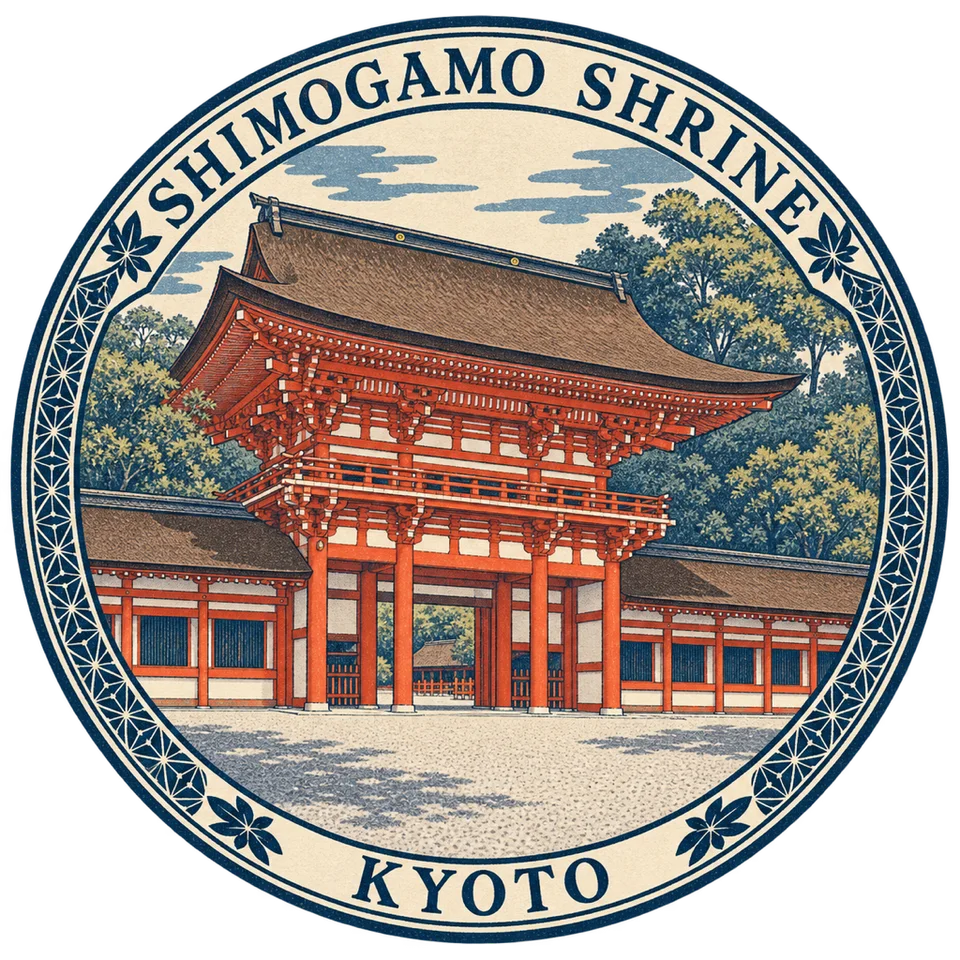
Collectible stamp artwork

Collectible stamp

An original digital stamp by emonster for your Temple Quest collection.

Discover Temple QuestComing soon for iPhone & iPad

Temple Quest collectible artwork, separate from official goshuin.

History

The Kamo Saiin institution began in 810 and continued for about four centuries.

Sources1

Timeline

Founding, rebuilding, and milestones across the centuries.

  1. 810

    Historical milestone

    HeianRecorded event
    Sources1
About the era labels

Browse places by founding, rebuilding, and other events in each historical era.

Explore the grounds

An illustrated overview of the grounds. Match the numbers to the landmarks below.

Illustration © emonsterIllustrated map for orientation. Access and paths may change; follow signs at the site.
Landmarks on this map
  1. West Main Sanctuary

    Main sanctuary dedicated to Kamo Taketsunumi-no-Mikoto.

  2. East Main Sanctuary

    Main sanctuary dedicated to Tamayorihime-no-Mikoto.

  3. Rōmon Gate

    Gate used by festival processions leaving the main shrine court.

  4. Dance Hall

    Ritual hall used for festival ceremonies and tea offerings.

  5. Bridge Hall

    Hall used for traditional music during the moon-viewing festival.

  6. Sacred Kitchen

    Former divine kitchen displaying offerings prepared for the deities.

  7. Mitarashi Shrine

    Shrine above a well, dedicated to Seoritsuhime-no-Mikoto.

  8. Mitarashi Pond

    Pond used for Saiōdai purification and the summer foot-bathing ritual.

  9. Aioi Shrine

    Subsidiary shrine dedicated to Kamimusubi, associated with forming relationships.

  10. Sawata Shrine

    Shrine dedicated to Kantama-no-Mikoto, associated with ball sports.

  11. Saiō Spirit Shrine

    Shrine honoring the spirits of successive Saiō priestesses.

  12. Aoi Garden

    Garden cultivating the futaba-aoi leaves used in the Aoi Festival.

  13. Sazare Stone

    Stone identified by the shrine with the imagery of Japan’s national anthem.

  14. Raiden Prayer Hall

    Hall receiving prayers for family occasions, safe childbirth and protection.

  15. Innō Shrine

    Subsidiary shrine dedicated to Inji Ōkami and Ukanomitama.

Map sources & credits

Explore the grounds

100%

Drag to move. Scroll or pinch to zoom.

Visiting information

Check before you go

Hours, admission and access can change. Confirm current details with the site before travelling.

Opening hours

The rōmon gate opens 06:30–17:00.

Sources1

Coming soon

Coming soon for iPhone and iPad. Explore 500 temples and shrines in the web catalog today.

Scan to open this website on your phone

Scan to open this website on your phone

Explore the catalog

Privacy settings

This website uses no advertising or analytics scripts. Your appearance preference is saved only in this browser. Hosting and security providers may process request logs.

Privacy