
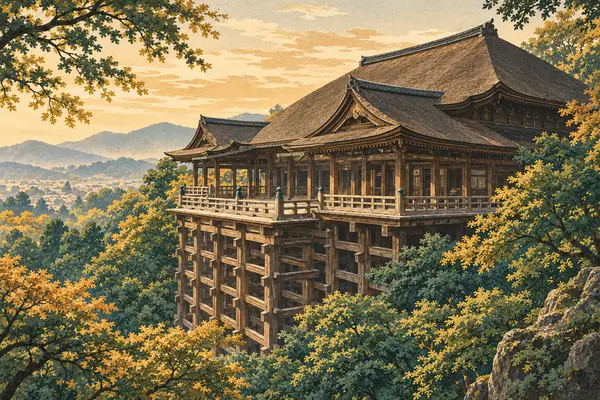
清水寺
Kiyomizu-dera
The temple dates its beginning to 778.
Discover the places in this prefecture, with original illustrations and links to visitor sources.
98 places
75 Temples · 23 ShrinesBrowse places by founding, rebuilding, and other events in each historical era.
清水寺
The temple dates its beginning to 778.
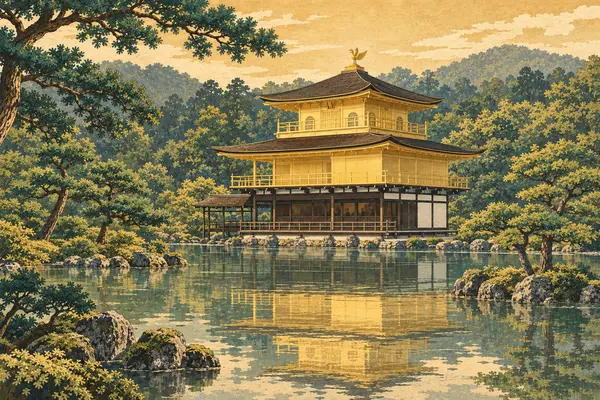
鹿苑寺
Ashikaga Yoshimitsu developed the Kitayama villa here in 1397; it became Rokuon-ji after his death.
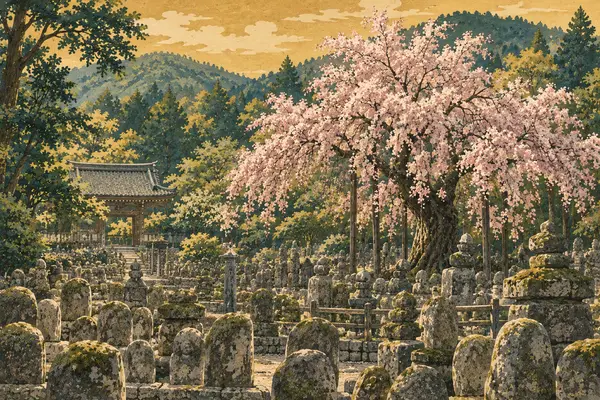
化野念仏寺
Jakudo rebuilt the present main hall in 1712.
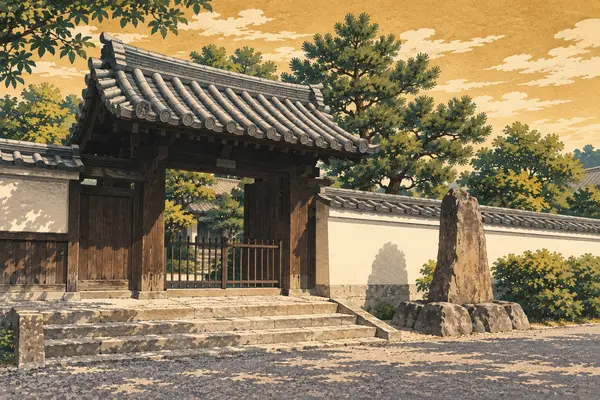
安楽寿院
Retired Emperor Toba converted the eastern part of his detached palace into Anrakujuin in 1137.
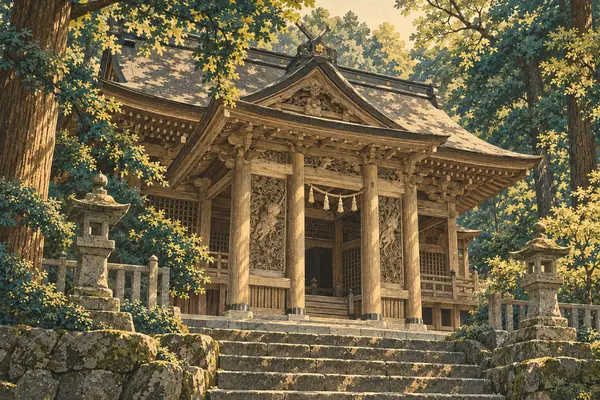
愛宕神社
The city account connects Atago Shrine’s origins with En no Ozunu and Taichō during the early eighth century.
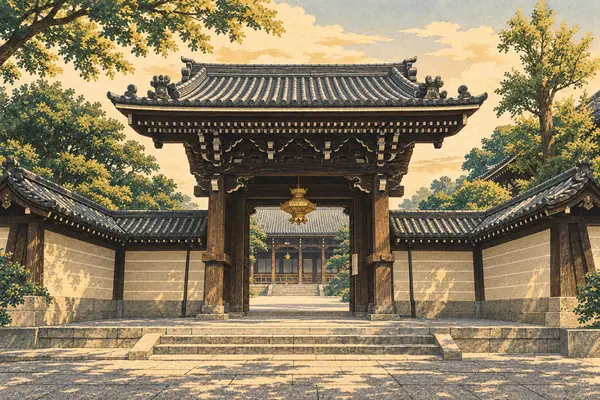
佛光寺
Bukkoji moved to its present site in 1586 after Toyotomi Hideyoshi provided replacement land.
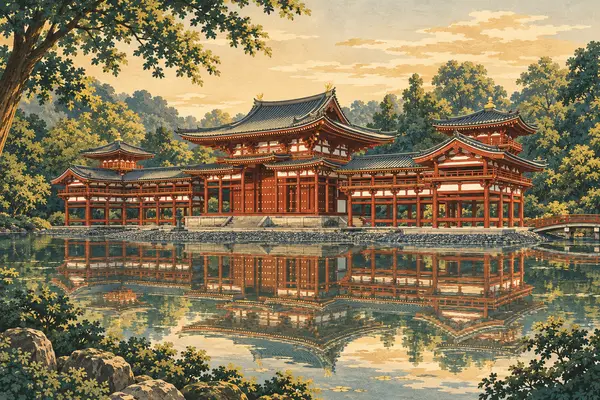
平等院
Fujiwara Yorimichi converted his villa into Byodoin in 1052.
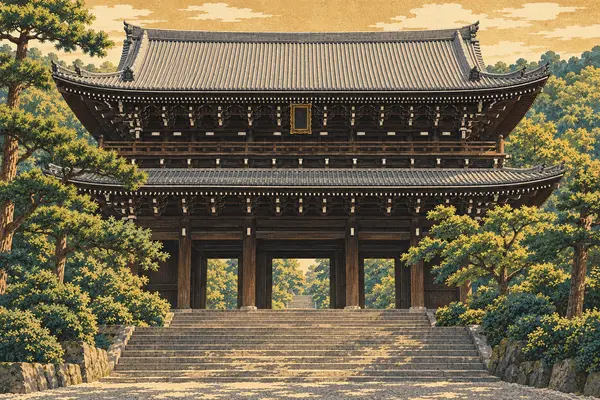
知恩院
In 1234 Genchi constructed halls honoring Honen as founding master.
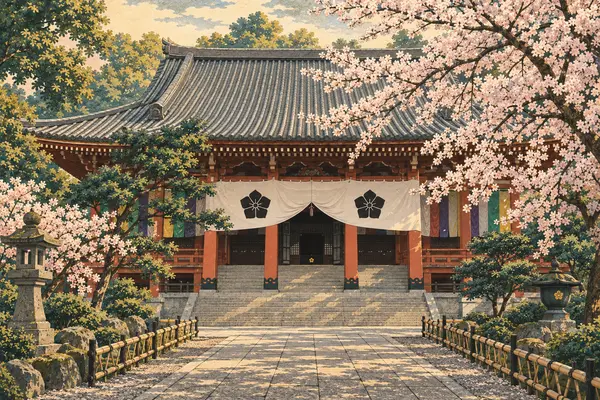
智積院
After the original Chishakuin at Negoroji burned in 1585, Genyu secured land and buildings from Tokugawa Ieyasu to restore it in Kyoto.
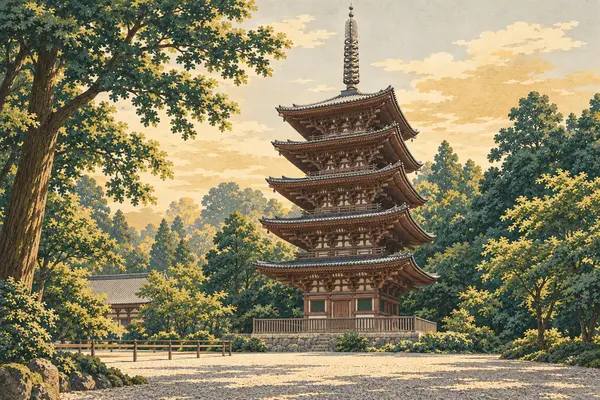
醍醐寺
The temple traces its foundation to Shōbō in 874 on Mount Daigo.
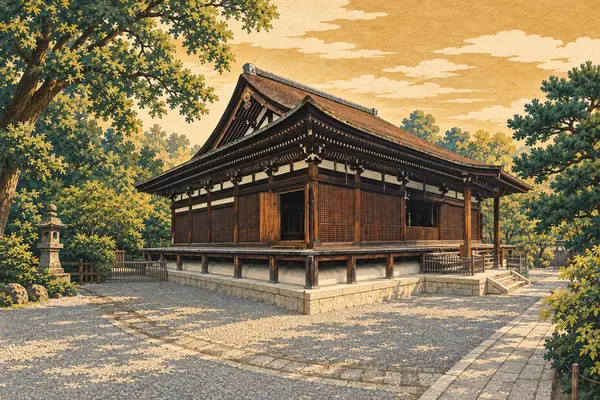
大報恩寺
Giku founded Daihoonji in 1220, and it became an imperial prayer temple in 1235.
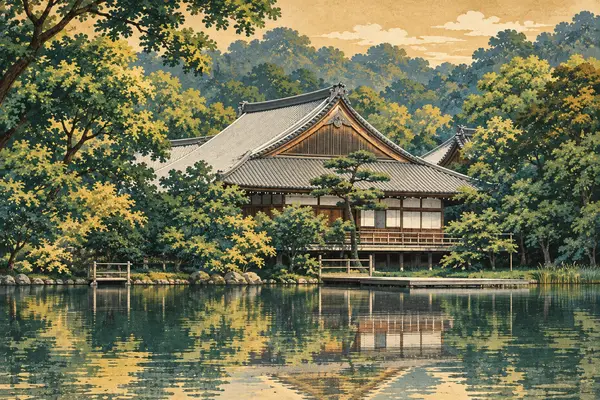
大覚寺
Emperor Saga’s villa became Daikakuji in 876, with Prince Gojaku as founding abbot.
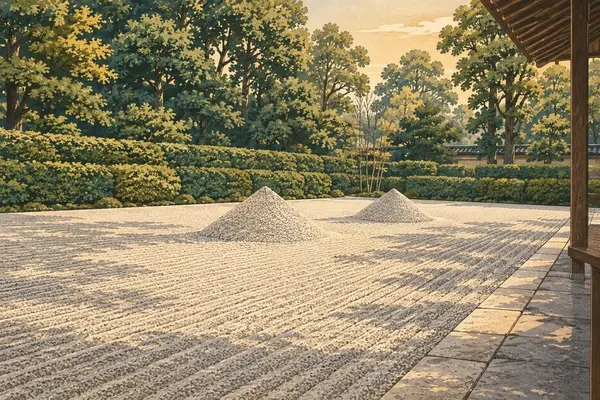
大仙院
Kogaku Soko established Daisenin in 1509.
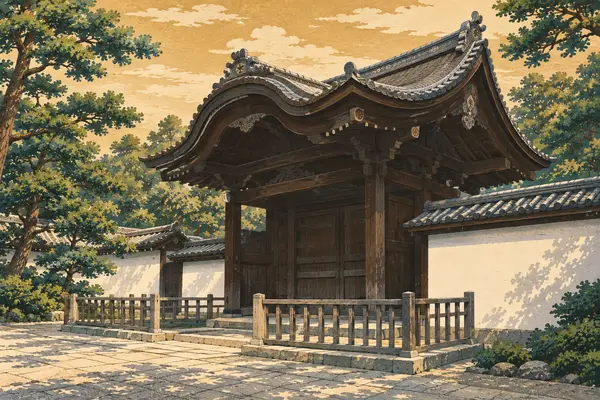
大徳寺
Ikkyu revived Daitokuji after much of its complex was destroyed during the Onin War.
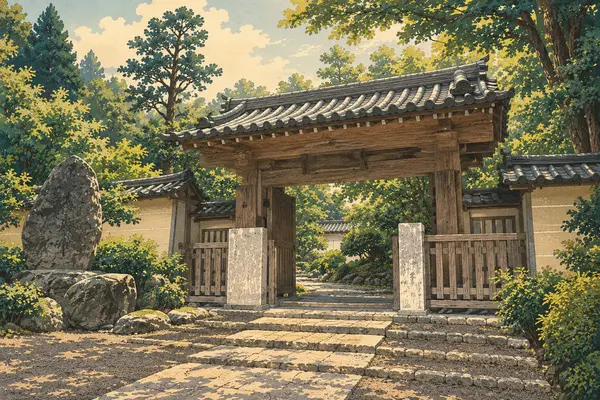
檀林寺
The present Danrinji was reestablished in 1964. The older temple associated with Empress Tachibana had ceased to exist.
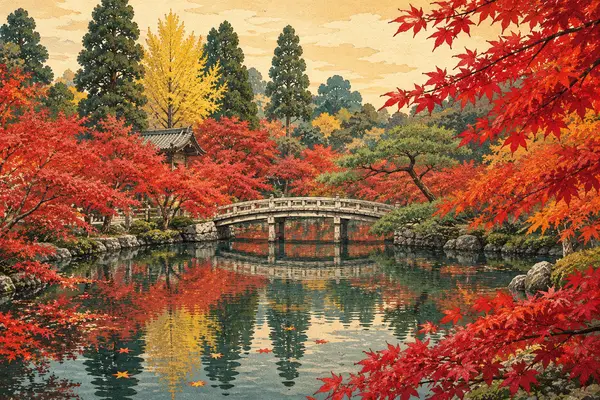
禅林寺
Shinsho acquired Fujiwara no Sekio’s former residence for the temple site in 853.
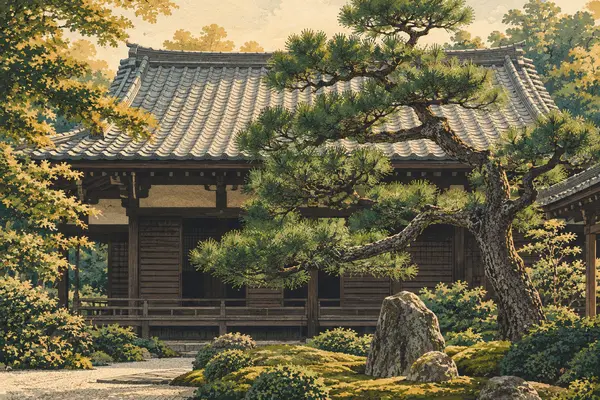
圓光寺
Tokugawa Ieyasu established Enkoji in Fushimi as a school in 1601 with Sanyo Genkitsu as its first head.
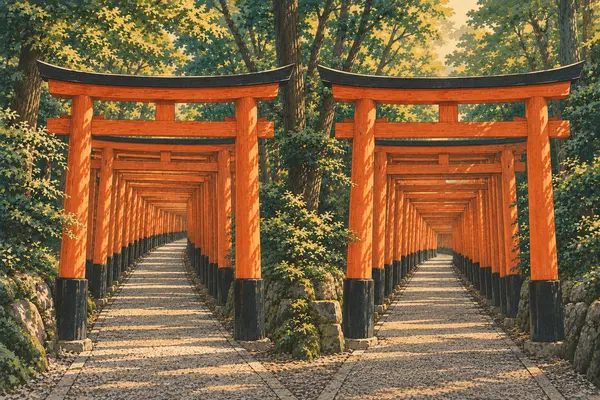
伏見稲荷大社
Shrine tradition dates the enshrinement of Inari on Mount Inari to 711.
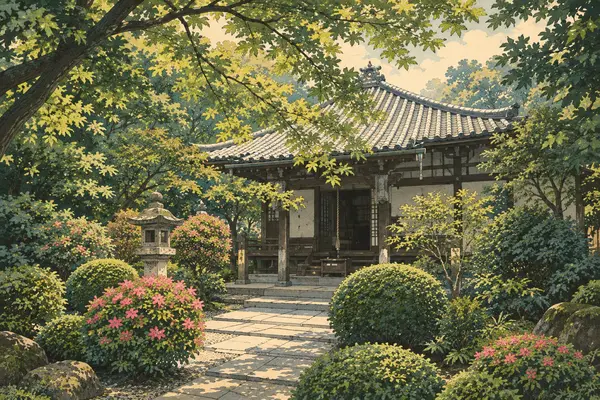
元慶寺
Henjo founded Gankeiji in 868.
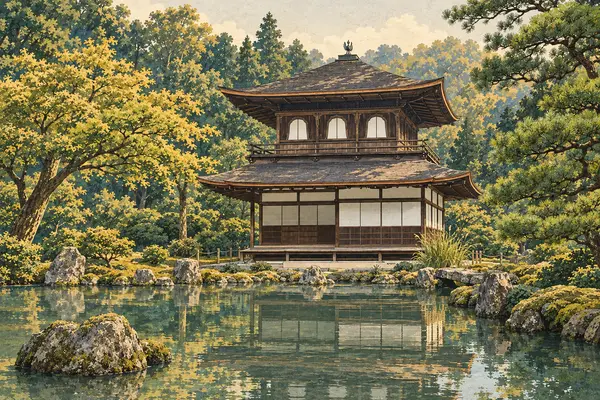
慈照寺
Ashikaga Yoshimasa began building the villa that preceded Jishoji in 1482; it became a Zen temple after his death.
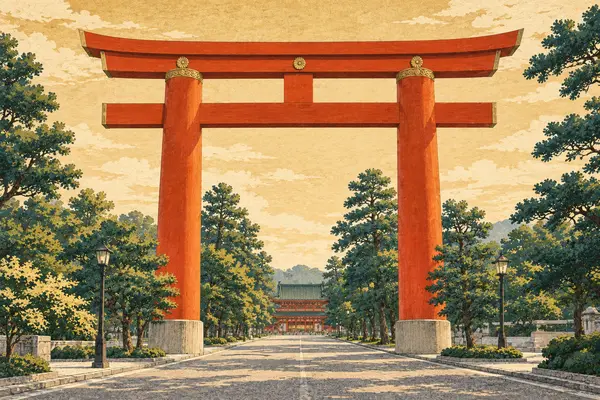
平安神宮
Heian Jingū was founded in 1895 to commemorate 1,100 years since the establishment of the Heian capital.
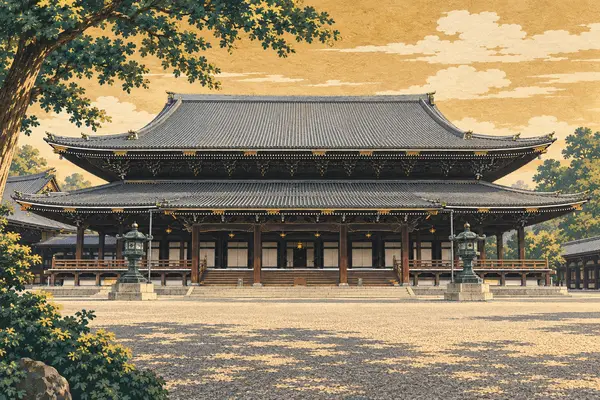
東本願寺
Tokugawa Ieyasu granted Kyonyo land in 1602; the Amida hall followed in 1603 and the Goei hall in 1604, forming Higashi Honganji.
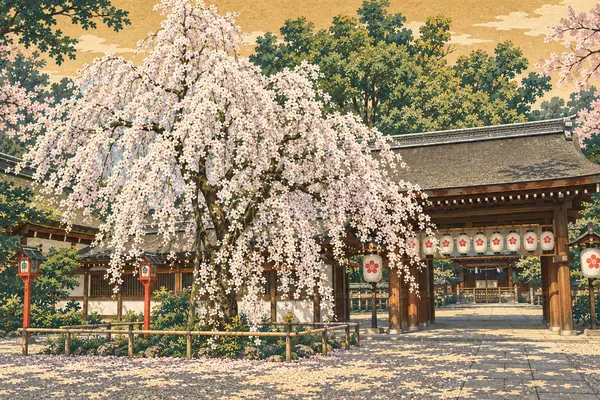
平野神社
Hirano Shrine moved to its present site in 794 with the transfer of the capital to Heian.
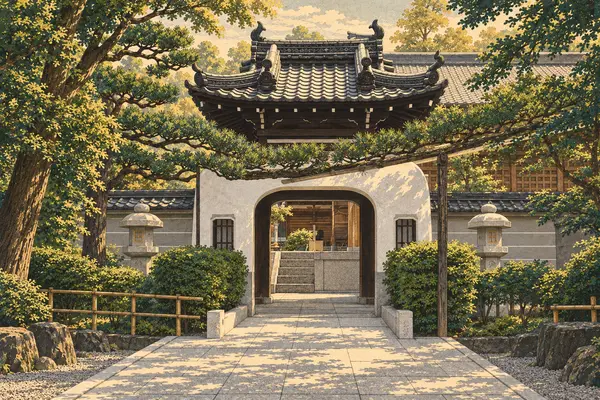
法住寺
Fujiwara no Tamemitsu founded Hojuji in 989 to commemorate his wife and daughter.
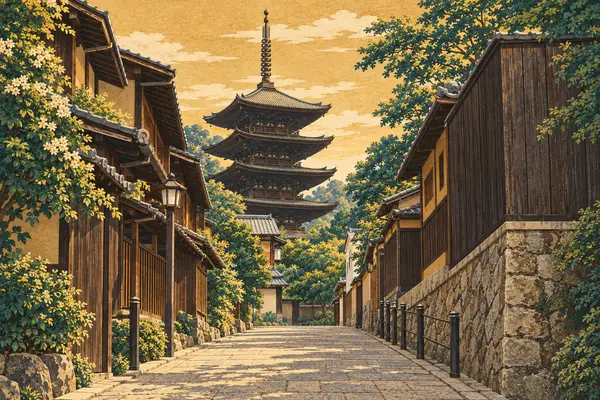
法観寺
Ashikaga Yoshinori rebuilt the surviving Yasaka Pagoda in 1440.
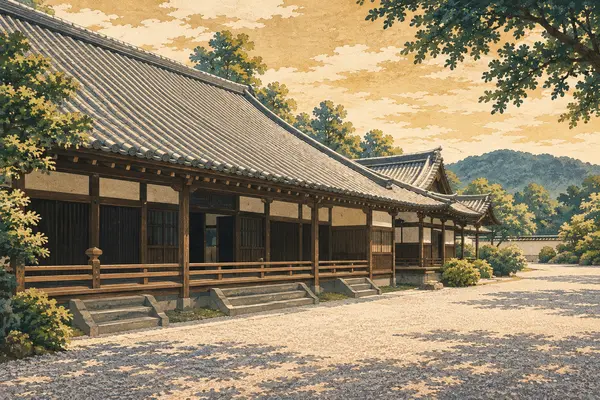
方広寺
The temple bell’s 1614 inscription became a pretext for the conflict culminating in the Osaka Winter Campaign.
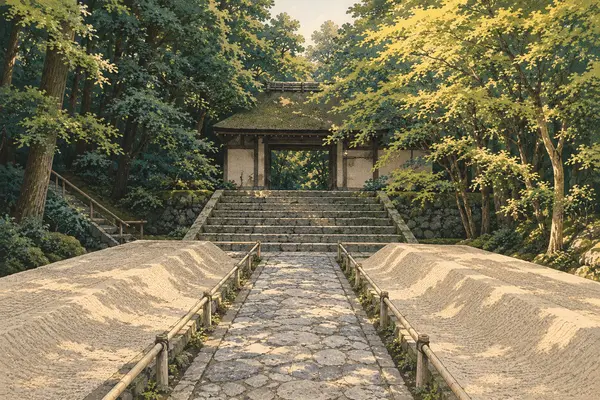
法然院
Banbu of Chionin proposed restoring a nenbutsu practice site here in 1680; his disciple Nincho established the present complex.
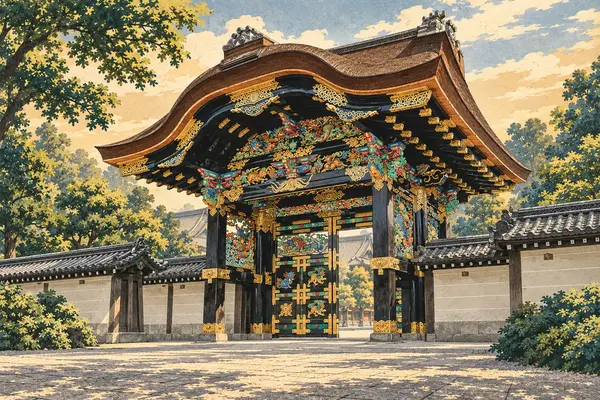
本願寺
Kennyo chose the present Rokujo Horikawa site when Hongwanji returned to Kyoto in 1591.
本能寺
Nichiryu founded the predecessor called Honnoji with a different spelling in 1415; the present temple name was adopted in 1433.
本禅寺
Honzenji moved to its present site in 1591; the current buildings were rebuilt in 1852.
法輪寺
Most halls burned in the late-Edo Kinmon conflict; the halls, gate and pagoda were subsequently rebuilt.
今宮神社
Imamiya Shrine treats the construction of a new sanctuary in 1001 as its foundation.
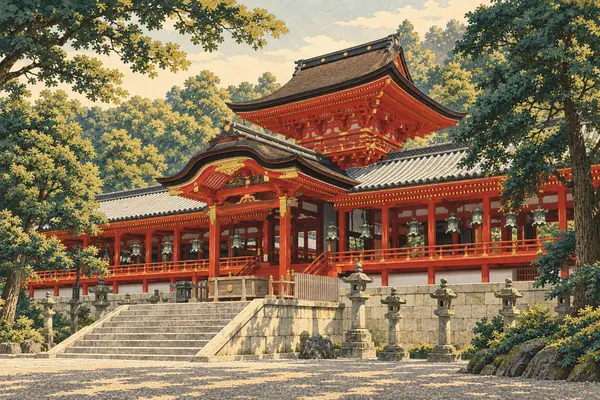
石清水八幡宮
Shrine tradition traces its origin to Gyōkyō bringing Hachiman worship to Otokoyama in 859.
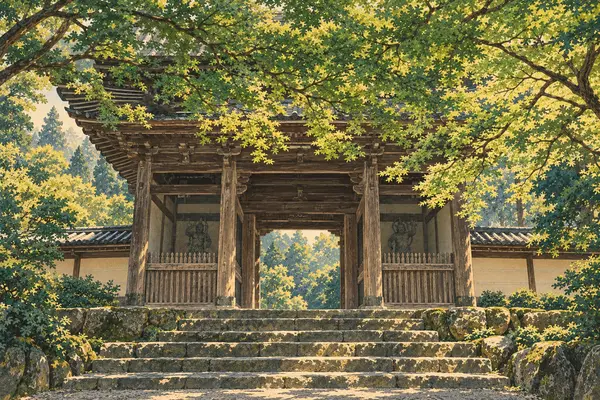
神護寺
Takaozanji and Jinganji merged in 824 to form Jingoji.
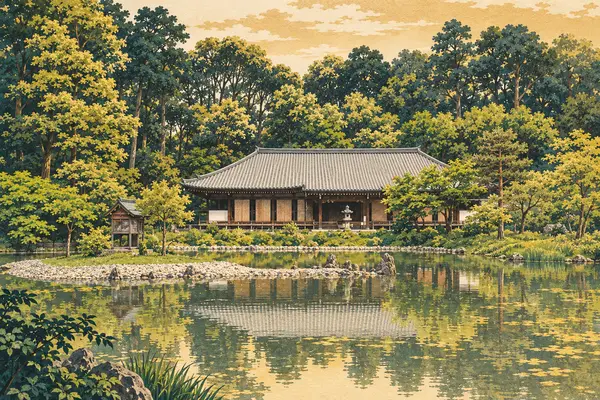
浄瑠璃寺
The association reports that a surviving historical record dates the first Yakushi hall to 1047, founded through Gimyō’s initiative; other origin accounts exist.
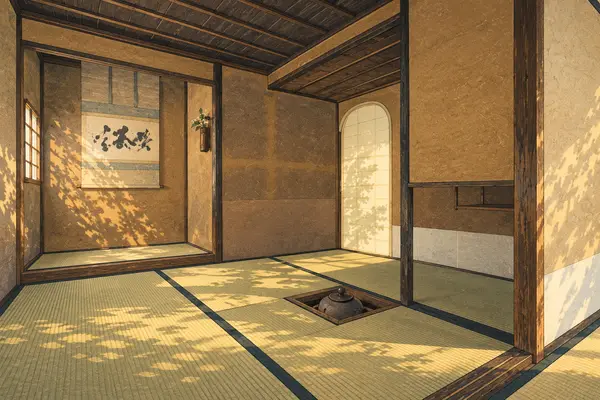
聚光院
Jukoin was founded in 1566 as a memorial temple for Miyoshi Nagayoshi.
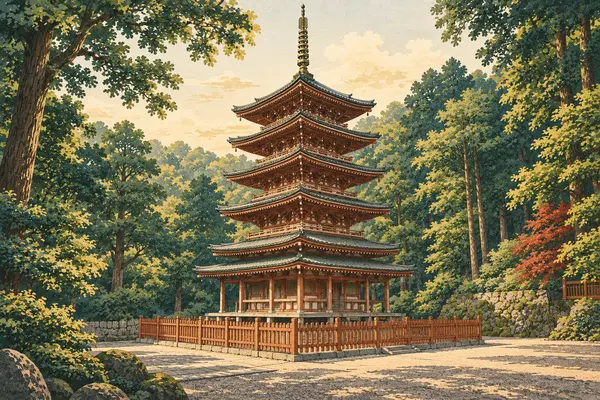
海住山寺
Jokei settled at the ruined Kannonji site in 1208 and revived it under the name Kaijusenji.
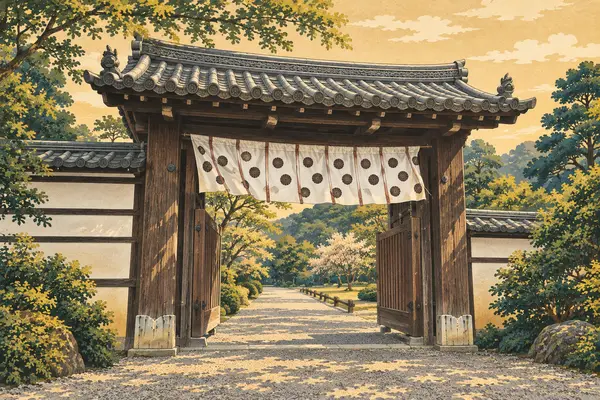
勧修寺
Emperor Daigo established Kajuji in 900 to commemorate his mother, Fujiwara no Inshi.
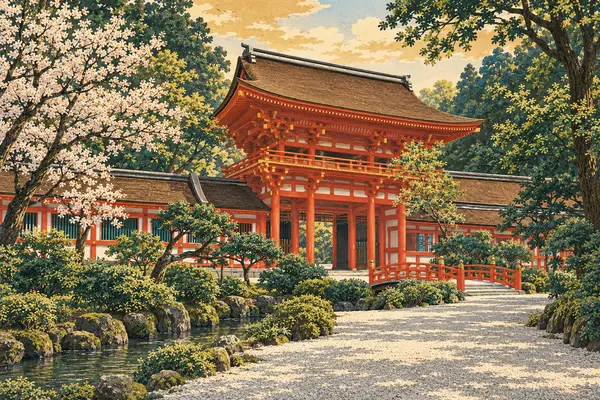
賀茂別雷神社
The main and provisional sanctuaries were rebuilt in 1863 and designated National Treasures in 1953.
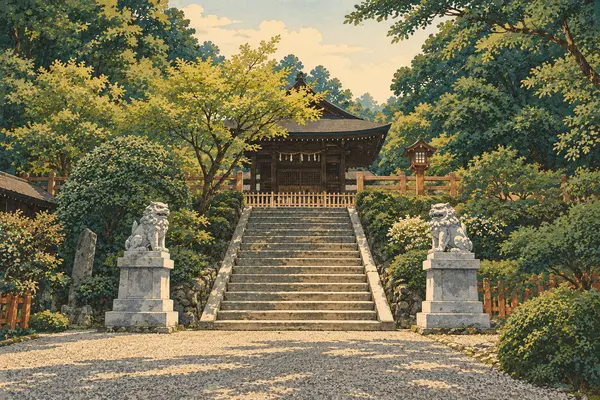
建勲神社
Kenkun Shrine was founded in 1869 by order of Emperor Meiji to enshrine Oda Nobunaga.
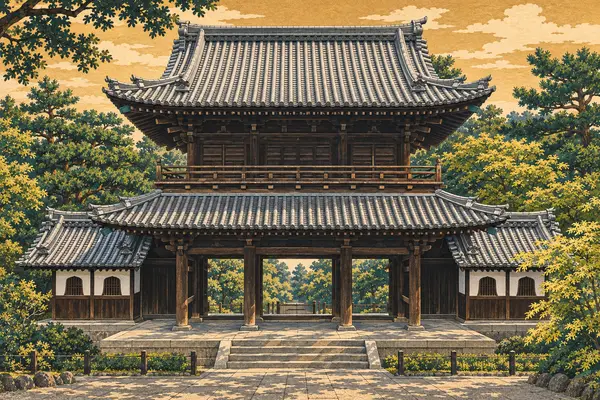
建仁寺
Minamoto no Yoriie provided land for Kenninji in 1202, with Eisai as its founding master.
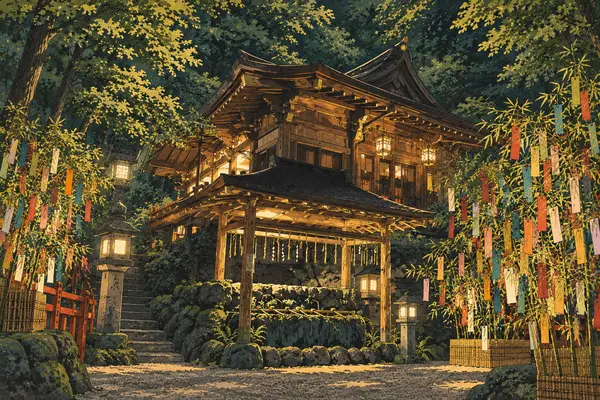
貴船神社
Kifune’s main shrine moved to its present site in 1055 after flood damage at the older sanctuary.
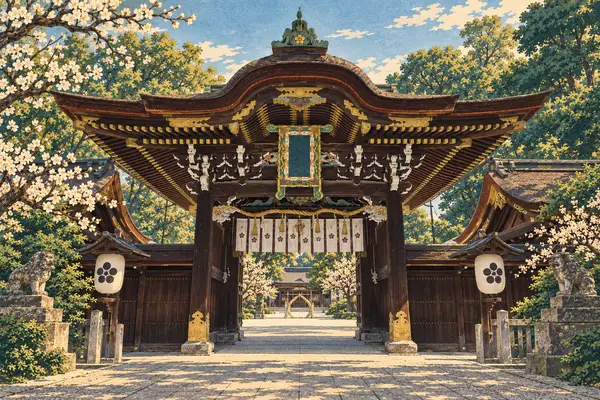
北野天満宮
Kitano Tenmangū was founded in 947 to enshrine Sugawara no Michizane.
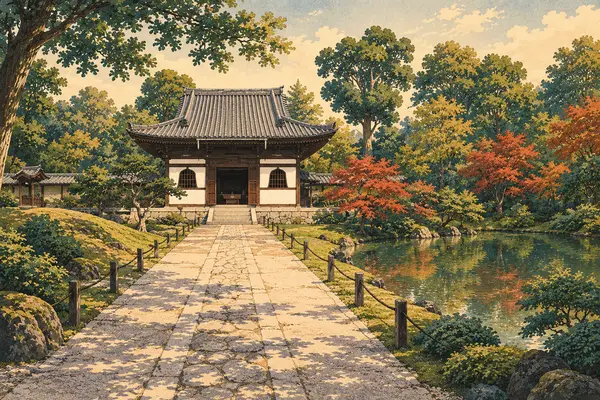
高台寺
Nene established Kōdai-ji in 1606 to commemorate Toyotomi Hideyoshi.
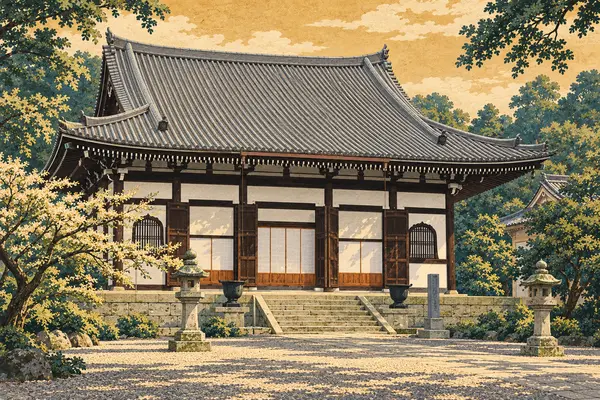
金戒光明寺
The main hall was rebuilt in 1944 after a fire.
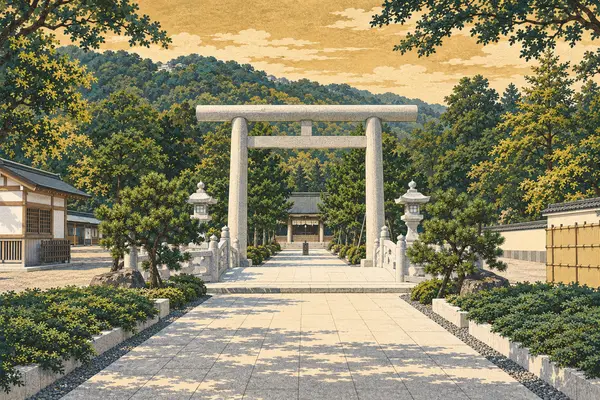
籠神社
Shrine tradition associates the sanctuary with the deities of Ise and dates its present dedication to 719.
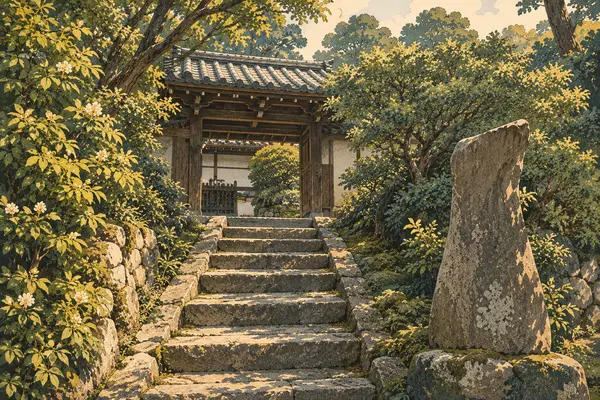
金福寺
The official city account attributes Konpuku-ji’s foundation to An’e in 864.
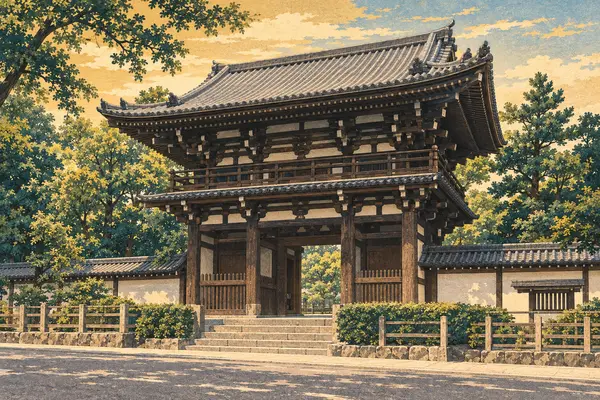
広隆寺
The temple preserves the crowned Maitreya statue recognized as the first designated National Treasure.
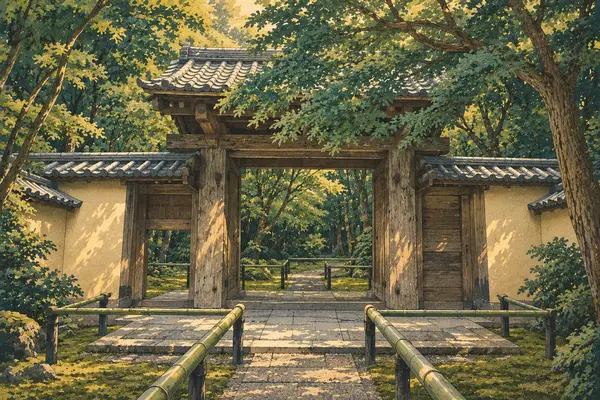
高桐院
Hosokawa Tadaoki founded Kōtō-in, a subtemple of Daitoku-ji, in 1601.
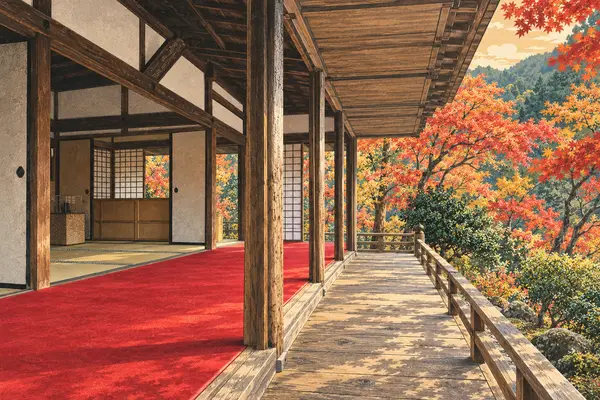
高山寺
Myōe revived Kōzan-ji in 1206 after receiving the site from retired Emperor Go-Toba.
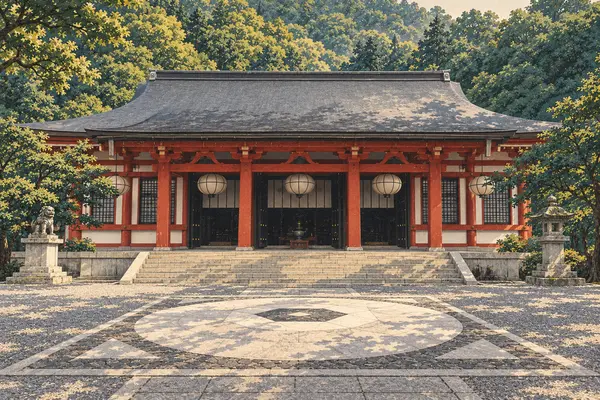
鞍馬寺
Kurama-dera became the head temple of Kurama-kōkyō, established in 1947.
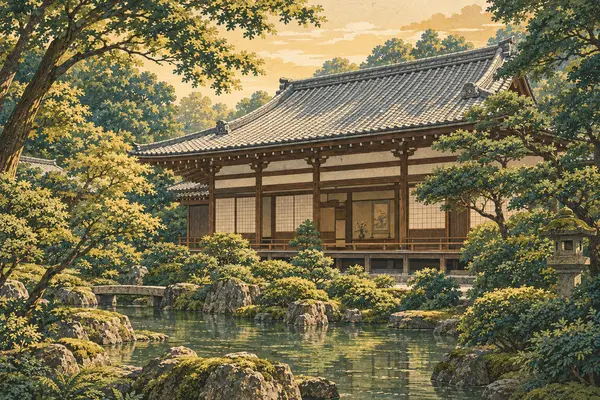
万寿寺
Kyoto City’s historical account dates the temple’s origin to the conversion of an imperial residence into Rokujō Midō in 1097. It moved into the Tōfuku-ji area during 1573–1586. Tofukuji’s Aizendo was moved from Manjuji in 1937.
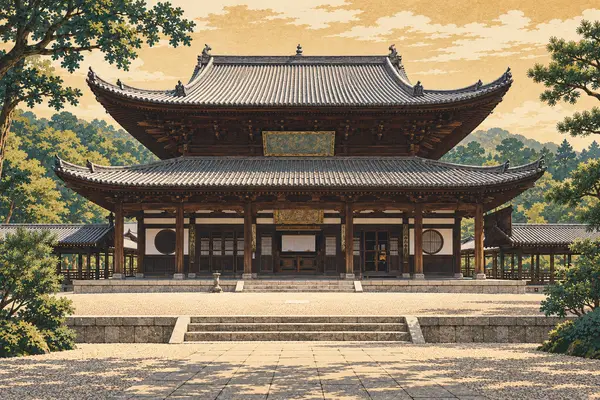
萬福寺
Ingen Ryuki founded Manpuku-ji in Uji in 1661, bringing Chinese Zen traditions.
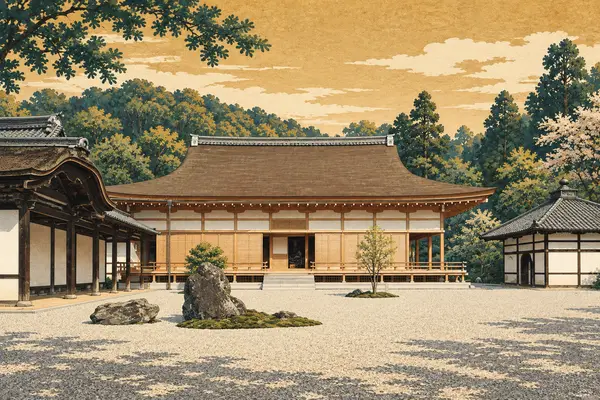
曼殊院
Prince Ryosho moved Manshuin to its present site and constructed its buildings in 1656.
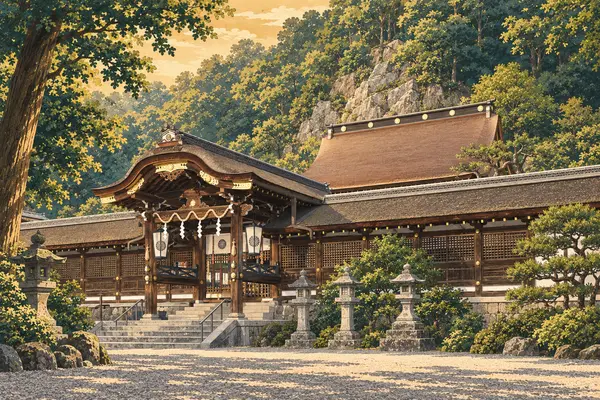
松尾大社
Shrine history dates construction at the present mountain-foot site to 701 under the Hata clan.
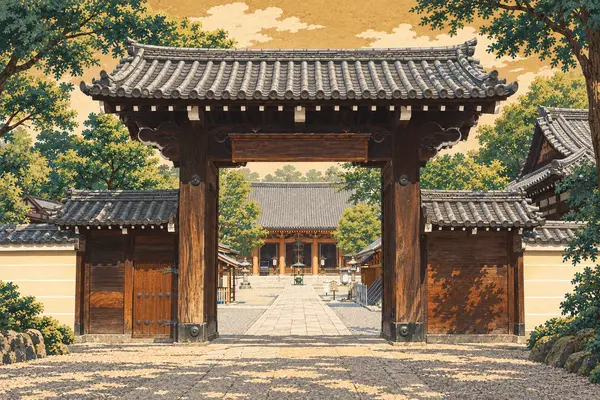
壬生寺
Kaiken founded Mibudera in 991.
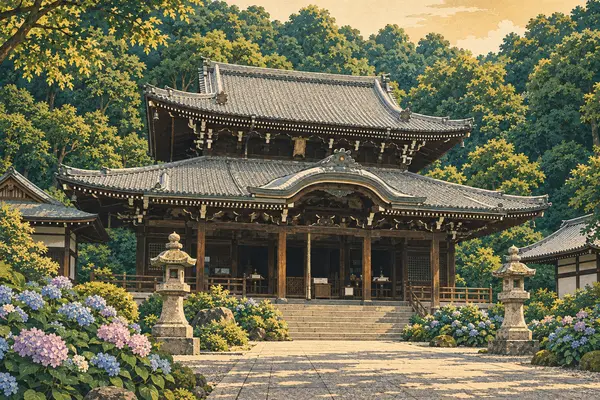
三室戸寺
The present main hall was completed in 1814 through Hōnyo’s reconstruction project, more than thirty years after planning began.
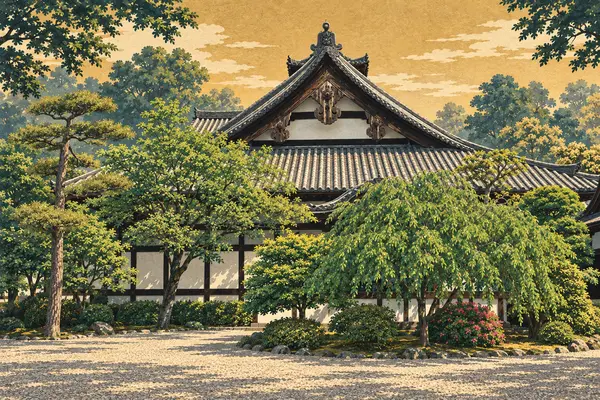
妙法院
The temple kitchen is attributed to construction around 1595 under Toyotomi Hideyoshi.
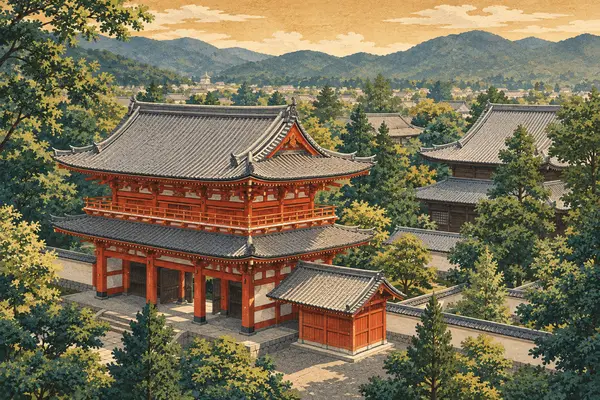
妙心寺
Emperor Hanazono converted his villa into Myoshinji in 1337 with Kanzan Egen as founding priest.
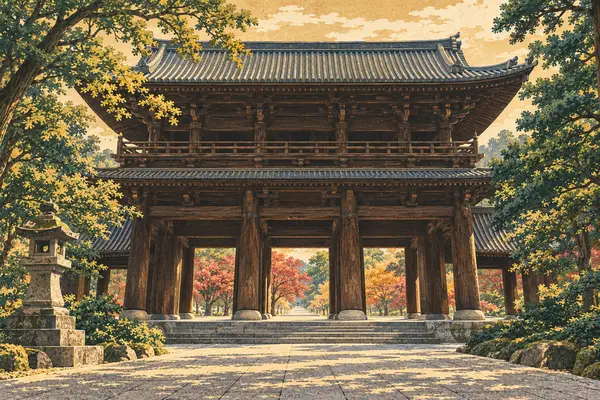
南禅寺
Nanzenji was established in 1291 at Emperor Kameyama’s former villa with Mukan Fumon as founding abbot.
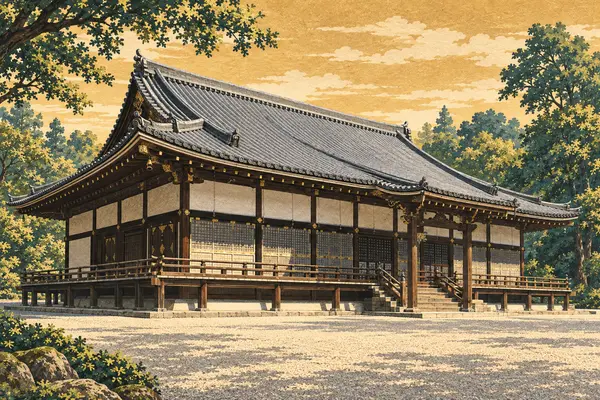
仁和寺
Emperor Uda completed Ninnaji’s main hall in 888, continuing Emperor Koko’s project.
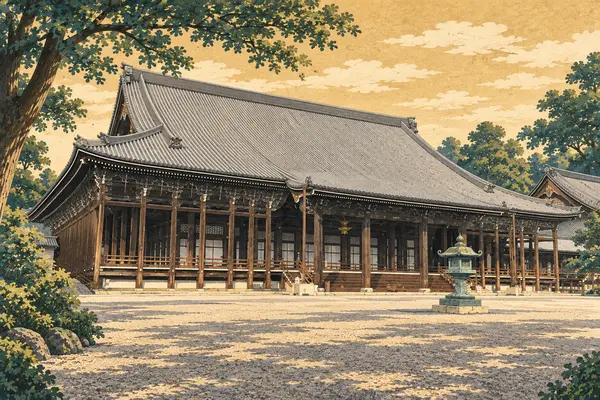
西本願寺
Hongan-ji moved to its present Rokujō Horikawa site in 1591 after Toyotomi Hideyoshi donated land.
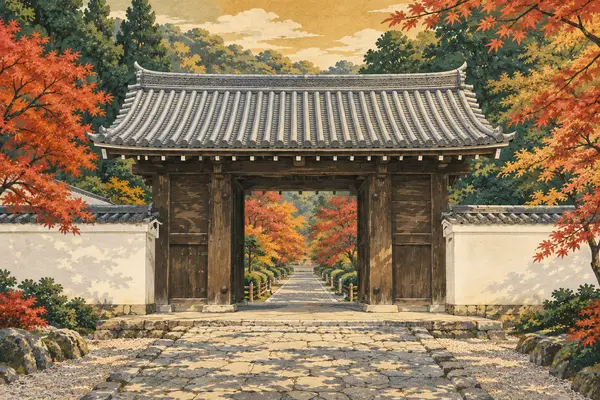
二尊院
Suminokura Ryoi donated the present main gate, relocated from Fushimi Castle, in 1613.
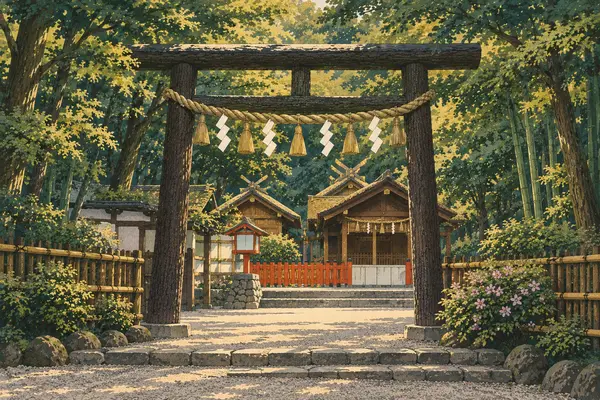
野宮神社
Nonomiya served as a purification residence for imperial priestesses preparing to travel to Ise.
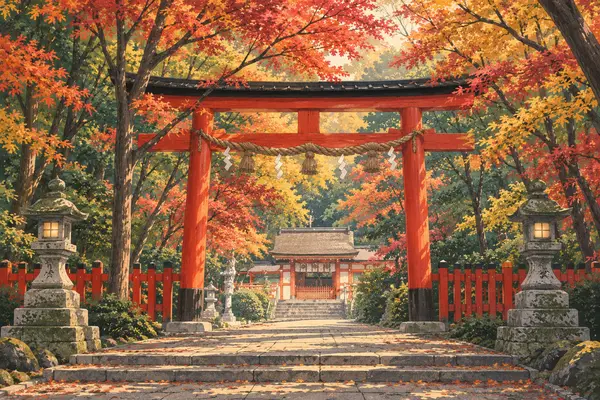
大原野神社
Ōharano Shrine began in 784 by inviting deities from Kasuga Shrine when the capital moved to Nagaoka.
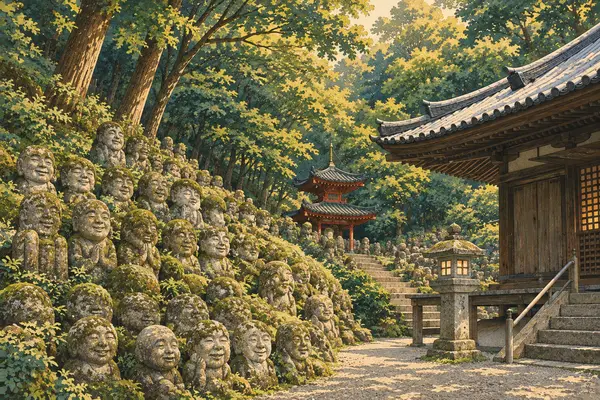
愛宕念仏寺
The surviving medieval temple buildings were moved to Saga in 1922 to preserve them.
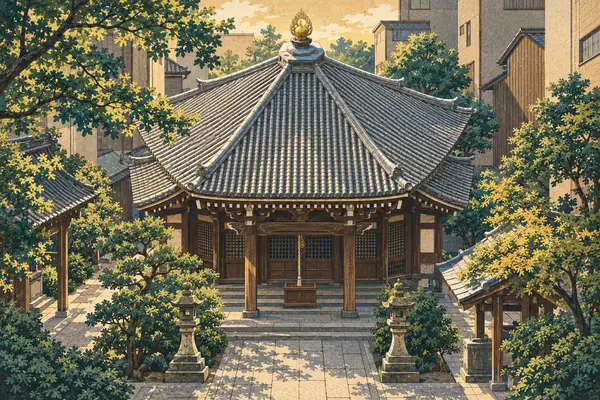
頂法寺
Ikebana developed during the Muromachi period from practices including flowers offered before Buddhist images.
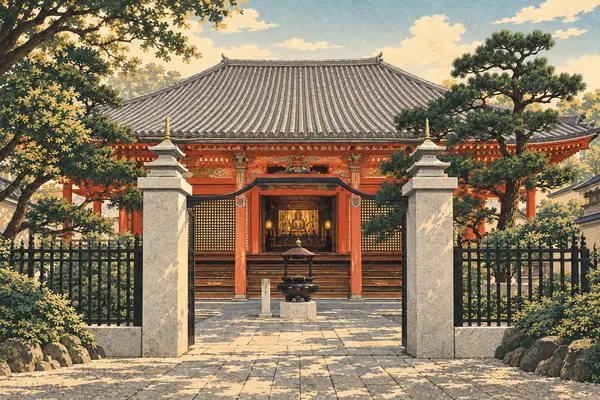
六波羅蜜寺
Kuya established the temple in 951; after his death, Chushin expanded it.
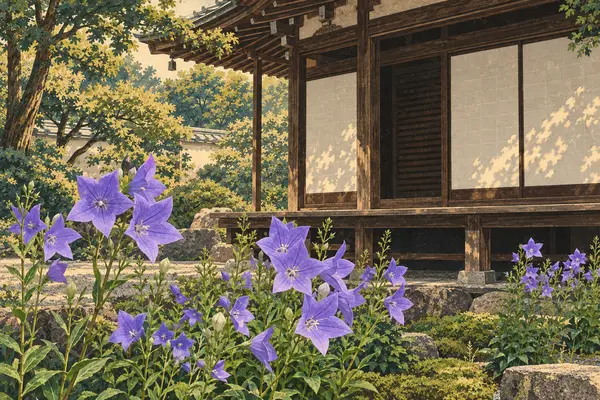
廬山寺
The present main hall and memorial hall were built in 1794 using buildings relocated from the Sento Imperial Palace.
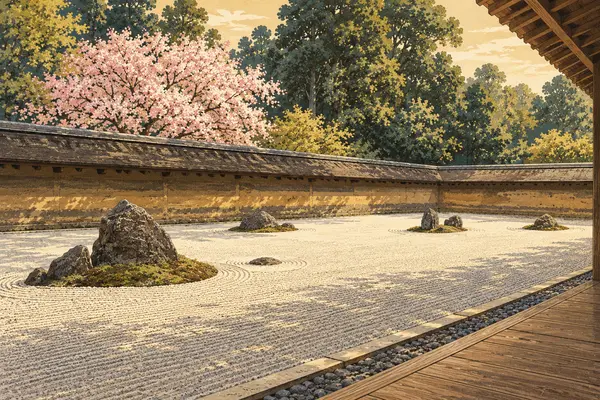
龍安寺
Hosokawa Katsumoto founded Ryōan-ji in 1450 on a former villa estate.

西芳寺
Saihō-ji introduced visits by advance application in 1977.
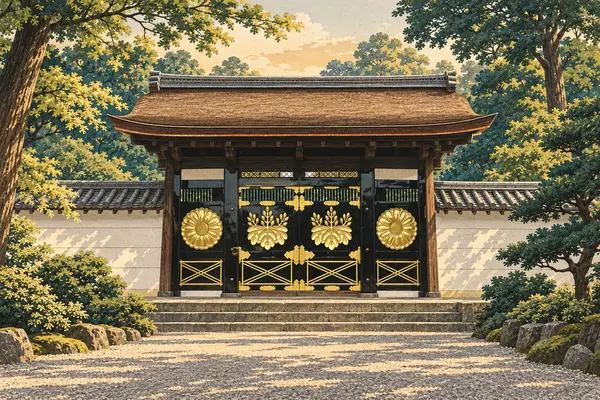
三宝院
Daigoji’s fourteenth abbot Shokaku established Sanboin in 1115.
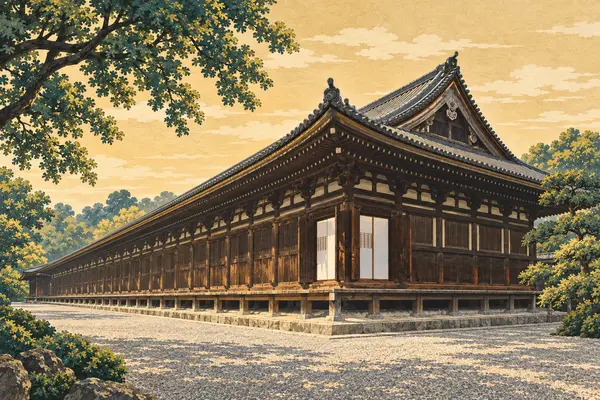
三十三間堂
Sanjusangendo was established in 1164 through Emperor Go-Shirakawa’s initiative and Taira no Kiyomori’s donation.
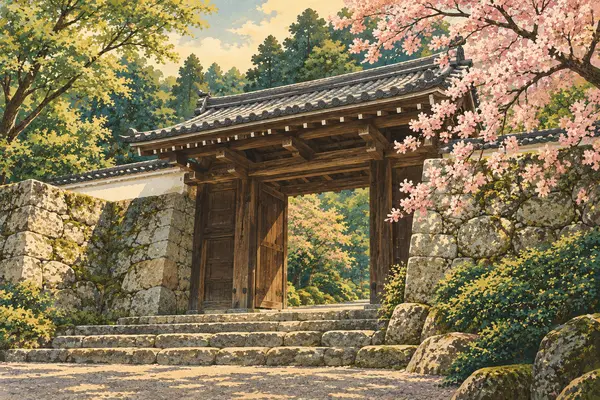
三千院
The temple adopted the name Sanzenin in 1871 from an imperial inscription at the Kajii residence.
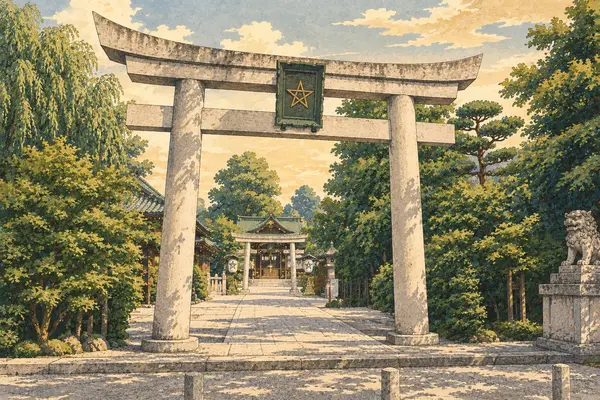
晴明神社
The present Seimei Shrine main sanctuary was built in 1905.
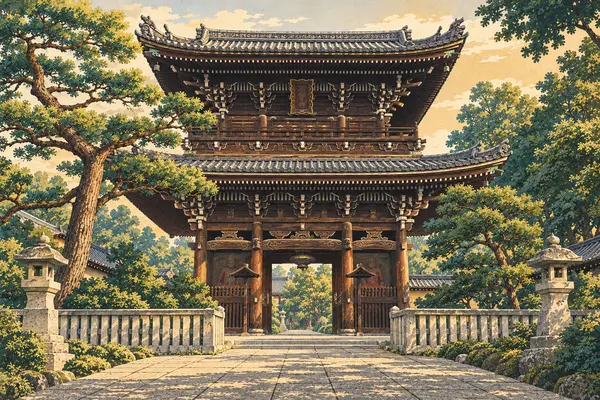
清凉寺
The main hall’s rebuilt frame was raised in 1701, following restoration work begun in 1694.
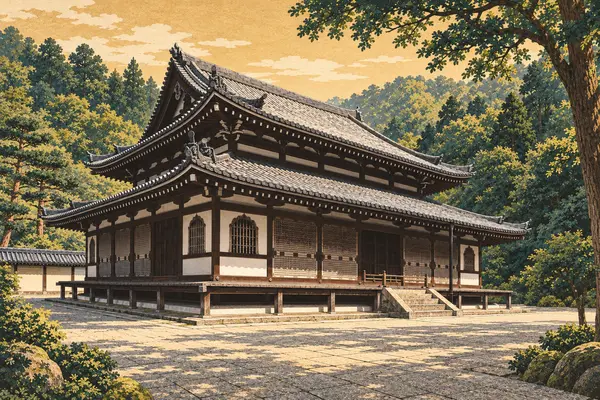
泉涌寺
Shunjo began rebuilding the temple according to Song Chinese models in 1218; the name Sennyuji came from a spring on the site.
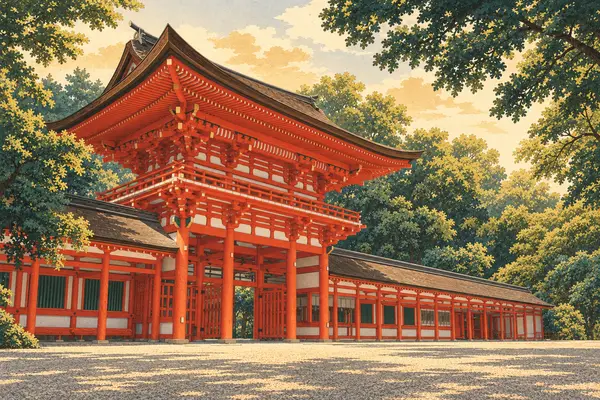
賀茂御祖神社
The Kamo Saiin institution began in 810 and continued for about four centuries.
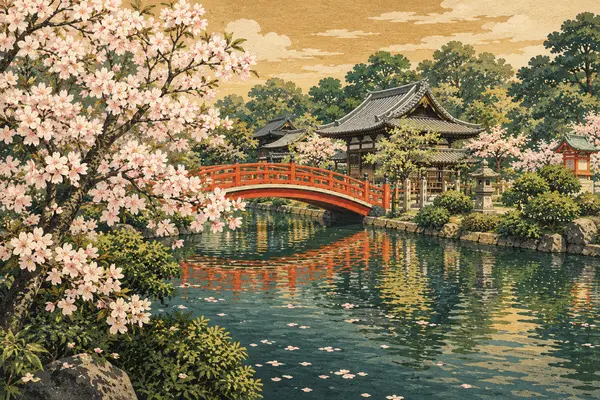
神泉苑
Emperor Kanmu built the imperial garden that preceded Shinsenen in 794.
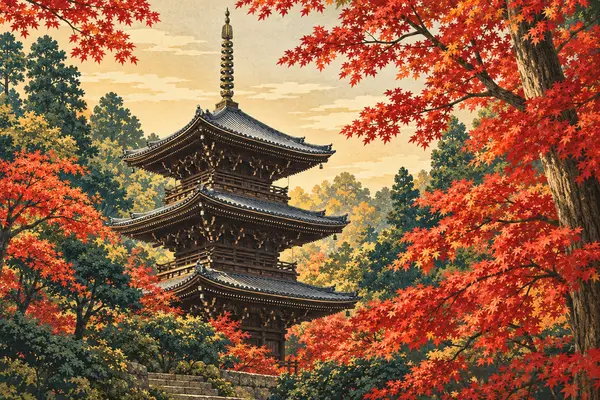
真正極楽寺
The temple chronology dates an imperial decree for Shinnyodo and the establishment of its buildings to 992.
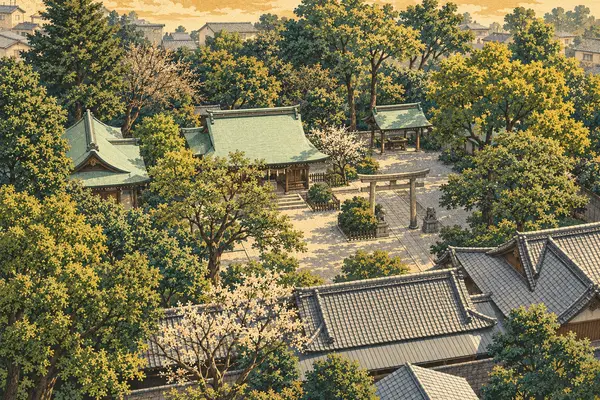
白峯神宮
Shiramine Jingū was established on the former Asukai family estate in 1868.
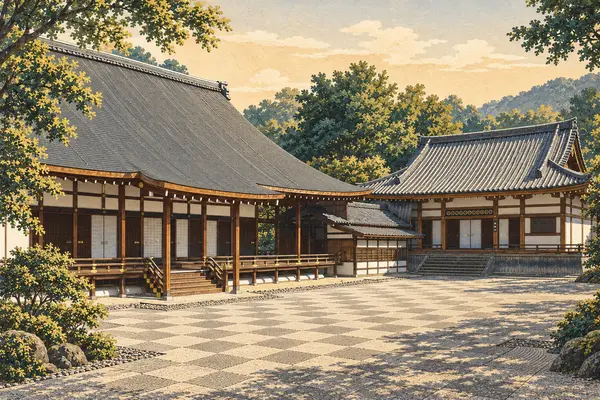
聖護院
Shogoin was rebuilt at its present site in 1676 after earlier fires and relocations.
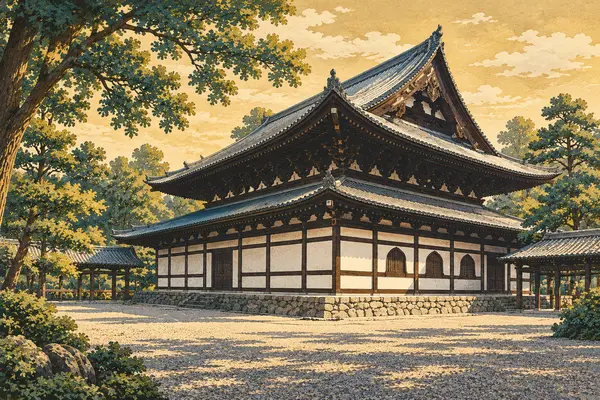
相国寺
Ashikaga Yoshimitsu’s Shokokuji complex was completed in 1392 after about a decade of construction.
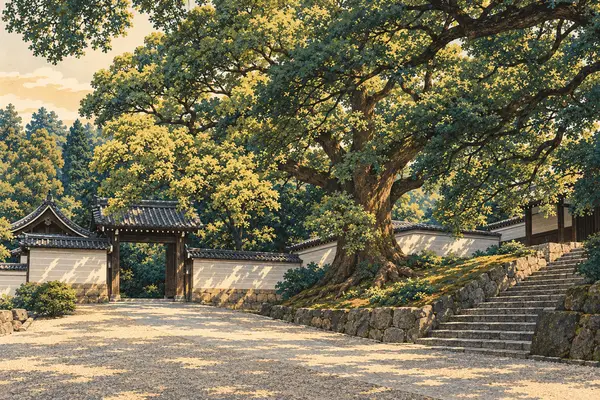
青蓮院
Shōren-in developed from Shōrenbō, an early Heian monastic residence on Mount Hiei, into a Tendai monzeki temple.
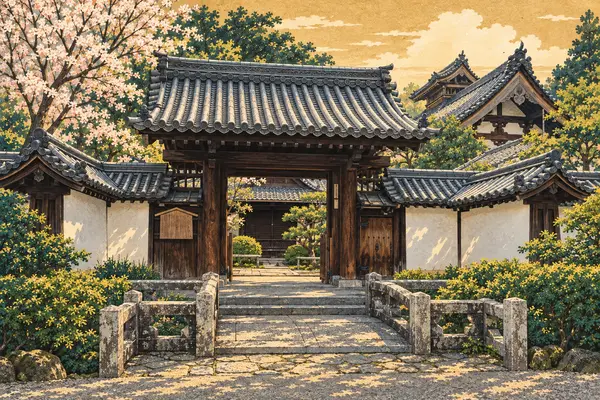
春光院
Horio Yoshiharu established Shunkoin in 1590 in memory of his son Kinsuke.
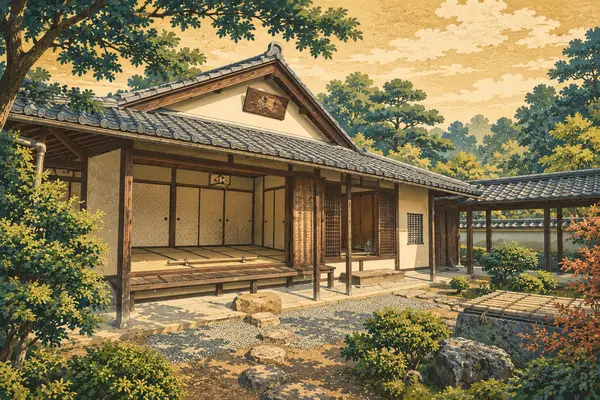
総見院
Toyotomi Hideyoshi built Sokenin to commemorate Oda Nobunaga after his death at Honnoji.
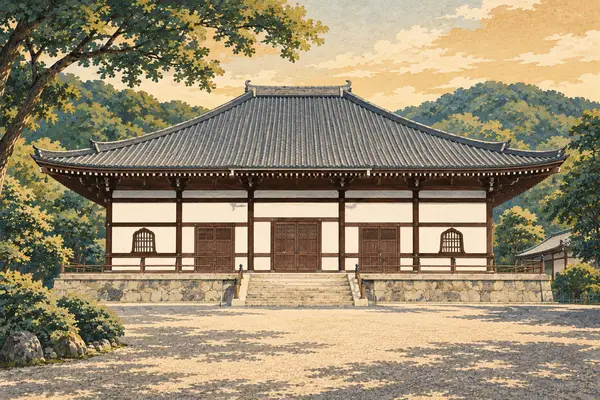
天龍寺
Tenryuji was founded in 1339 to commemorate Emperor Go-Daigo and those who died in the conflict between the two imperial courts.
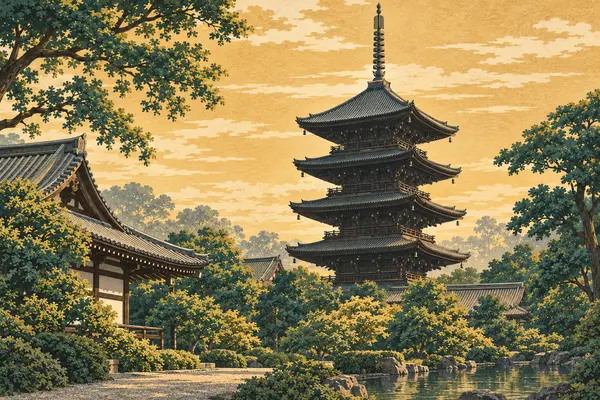
東寺
Toji was established in 796 as an official temple to protect the new imperial capital.
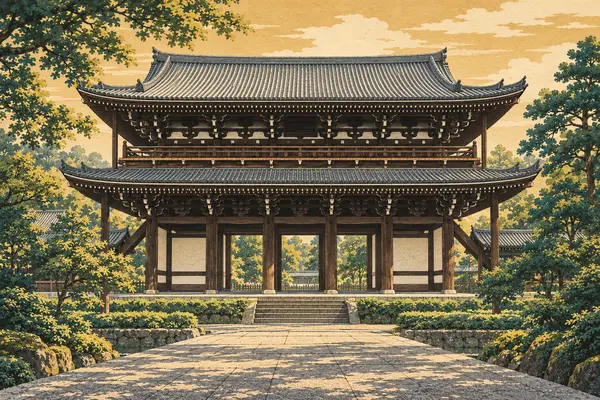
東福寺
Kujo Michiie’s temple complex was completed in 1255 after construction began in 1236.
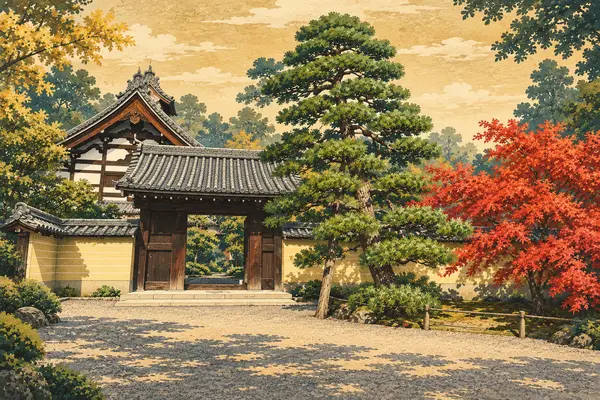
等持院
Ashikaga Takauji established Tojiin in 1341 with Muso Soseki as founding master.
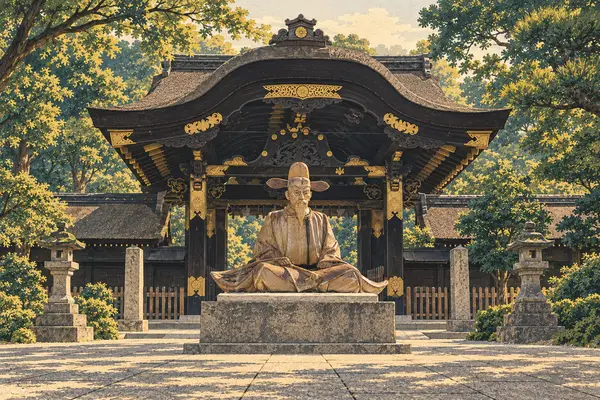
豊国神社
The present Toyokuni Shrine was established in 1880 and enshrines Toyotomi Hideyoshi.
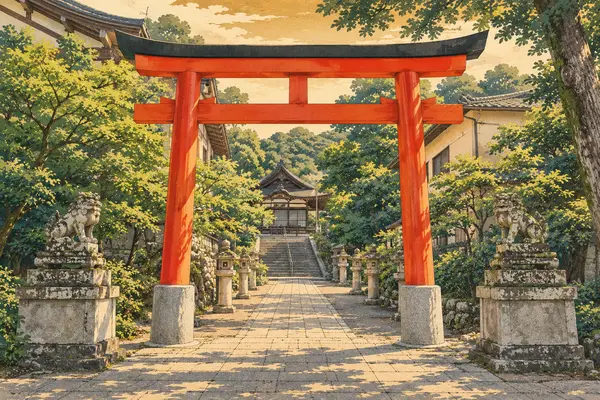
宇治神社
Uji Shrine’s present main sanctuary dates to the early Kamakura period.
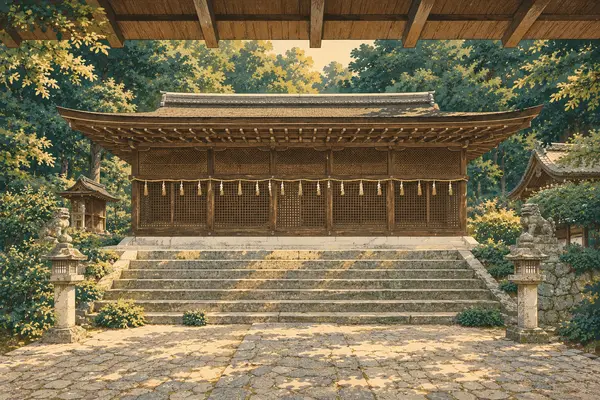
宇治上神社
The shrine’s origin story connects its foundation with the burial of Prince Uji no Wakiiratsuko.
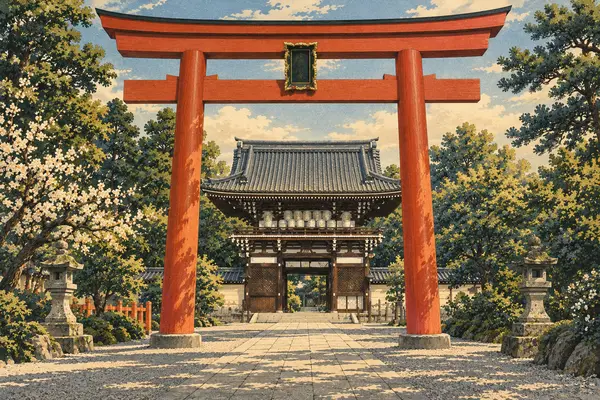
梅宮大社
Shrine tradition attributes its origins to Tachibana no Michiyo and its move here to Empress Danrin.
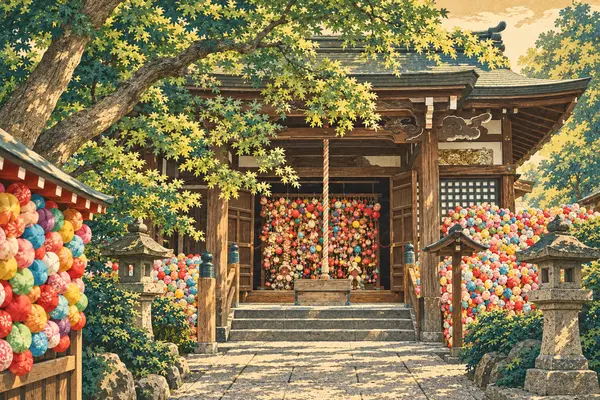
金剛寺
Kongō-ji, also called Yasaka Kōshin-dō, has an uncertain foundation date and a long Kōshin worship tradition.
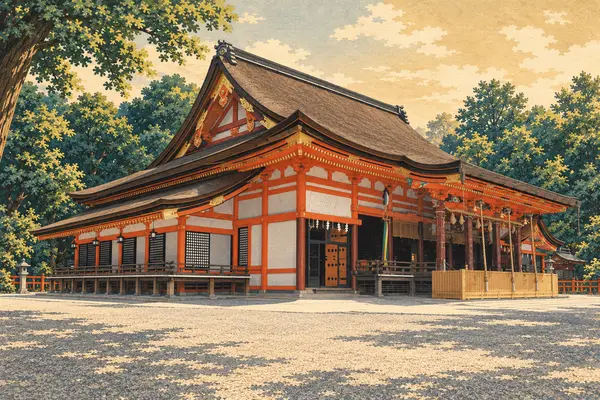
八坂神社
Competing foundation traditions describe origins in 656 or 876.
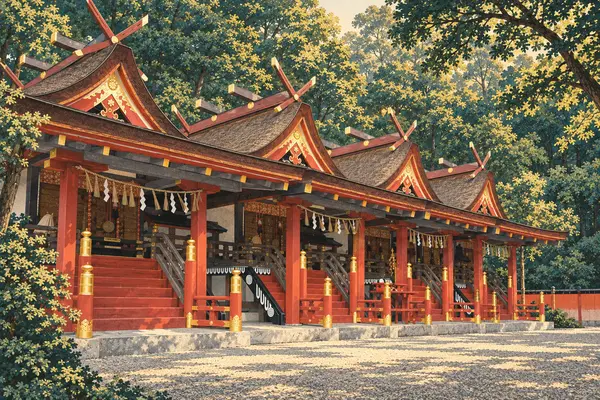
吉田神社
Fujiwara no Yamakage established Yoshida Shrine in 859 by inviting the Kasuga deities from Nara.
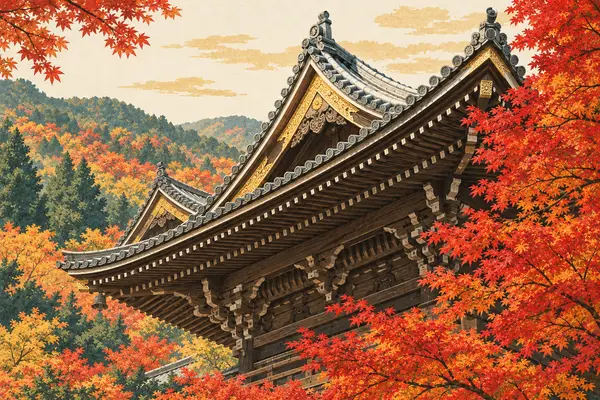
善峯寺
Gensan established Yoshiminedera in 1029, enshrining a thousand-armed Kannon he had carved.
No places match these filters. Try a different name, prefecture, or era.