
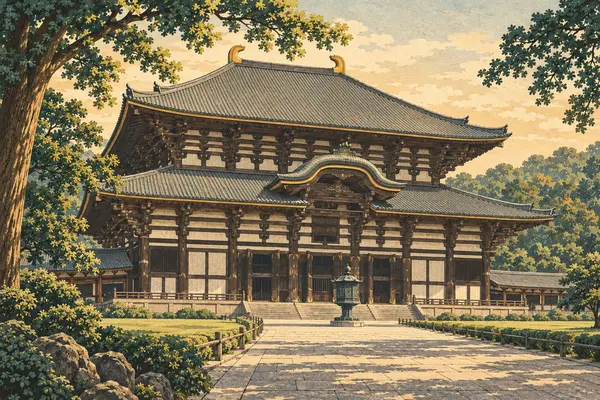
東大寺
Tōdai-ji Temple
The Great Buddha’s eye-opening ceremony took place in 752. The present Nigatsu-dō was rebuilt two years after the 1667 fire, in 1669. Chōgen rebuilt Hokke-dō’s worship hall in 1199 and joined it to the older image hall.
Buddhist temples and Shinto shrines, from Hokkaido to Okinawa.
58 places
36 Temples · 22 ShrinesBrowse places by founding, rebuilding, and other events in each historical era.
東大寺
The Great Buddha’s eye-opening ceremony took place in 752. The present Nigatsu-dō was rebuilt two years after the 1667 fire, in 1669. Chōgen rebuilt Hokke-dō’s worship hall in 1199 and joined it to the older image hall.
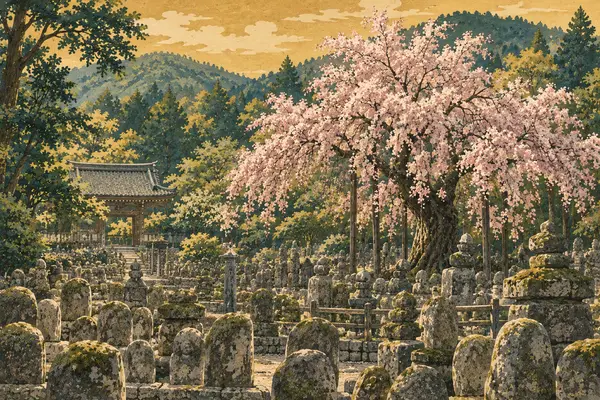
化野念仏寺
Jakudo rebuilt the present main hall in 1712.
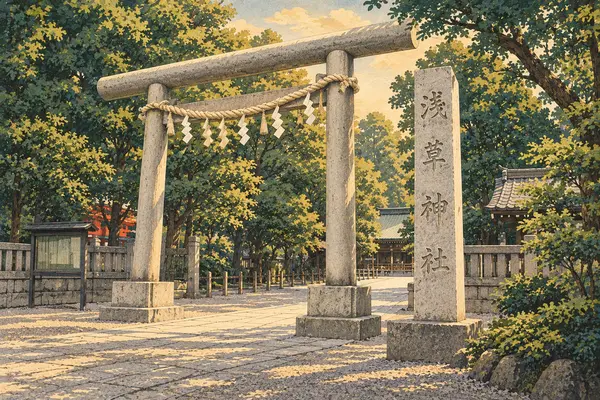
浅草神社
Tokugawa Iemitsu donated the present shrine buildings in 1649; they survived later fires, the Great Kantō Earthquake and war.
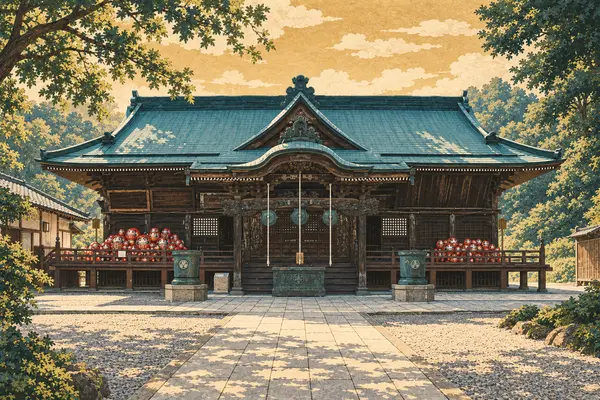
達磨寺
Lord Sakai Tadataka founded Shōrinzan Daruma-ji in 1697, inviting Tenshū from Mito and honoring Tōkō Shin’etsu as founding teacher.
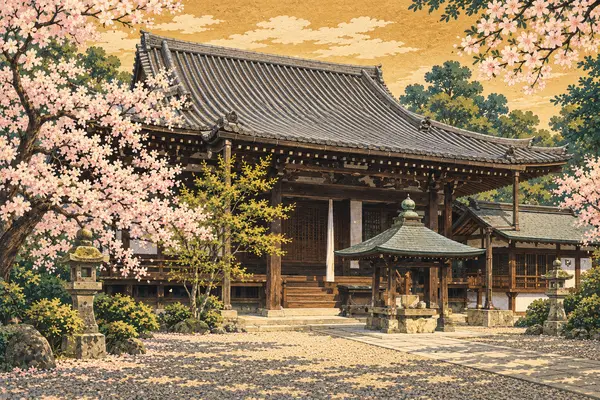
道明寺
Flood damage in 1674 led to the temple’s relocation to the nearby Tenmangū precinct hill in 1724.
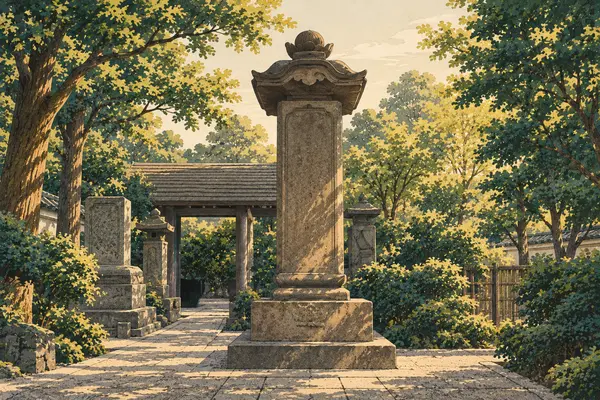
回向院
Ekō-in began in 1657 when Tokugawa Ietsuna provided this site to bury and memorialize unidentified victims of the Great Meireki Fire.
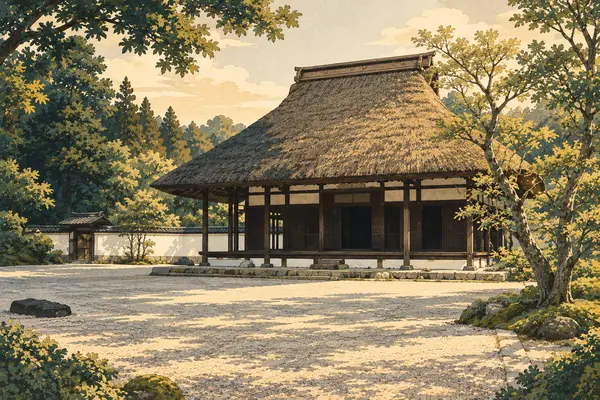
圓照寺
The national tourism association entry dates Enshō-ji’s establishment to 1669.
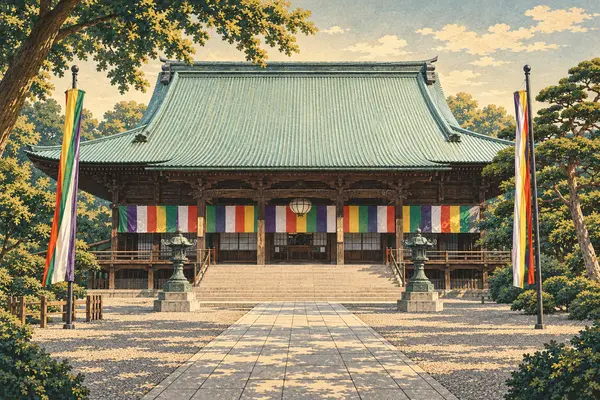
護国寺
Tokugawa Tsunayoshi founded Gokoku-ji in 1681 at the request of his mother Keishō-in.
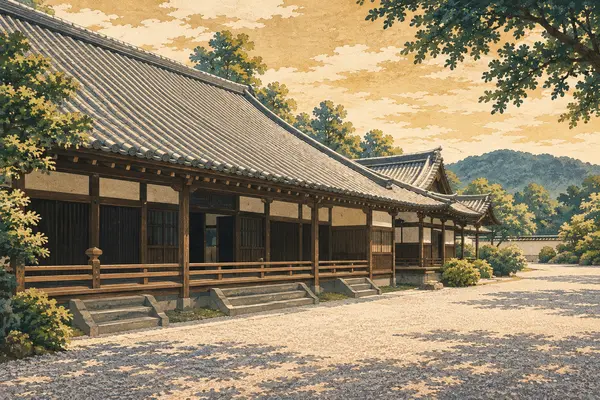
方広寺
The temple bell’s 1614 inscription became a pretext for the conflict culminating in the Osaka Winter Campaign.
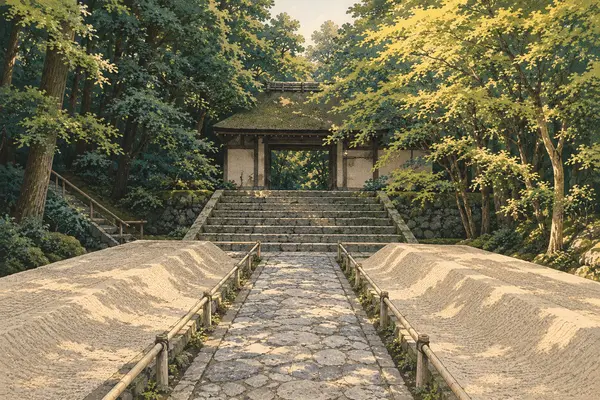
法然院
Banbu of Chionin proposed restoring a nenbutsu practice site here in 1680; his disciple Nincho established the present complex.
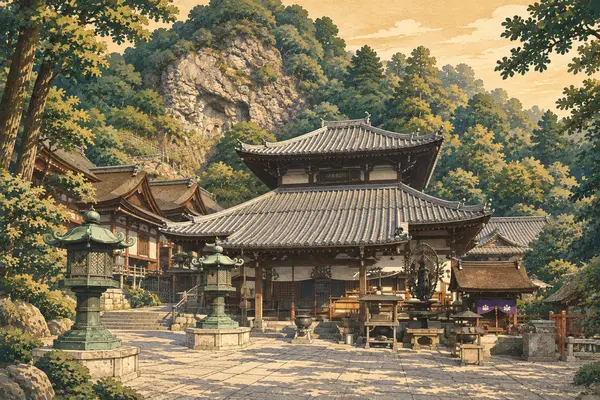
宝山寺
Hōzan Tankai revived Hōzan-ji in 1678 and introduced worship of Kangiten.
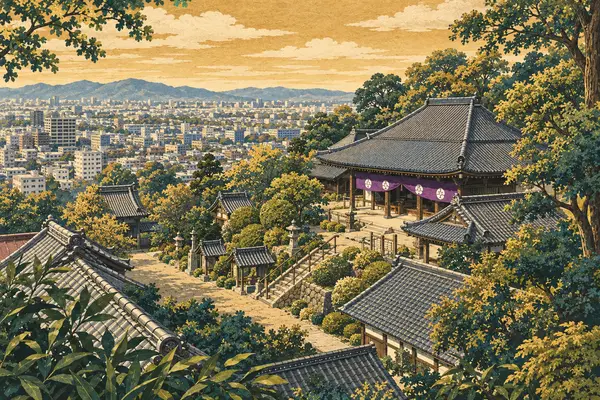
慈眼寺
Seigan revived Jigen-ji in 1616 after wartime destruction.
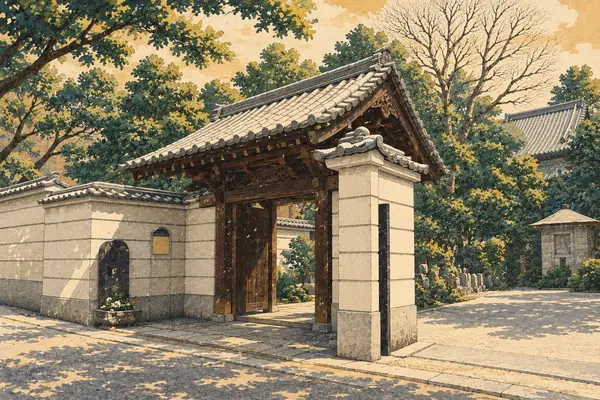
浄閑寺
Jōkan-ji was founded in 1655 by Seiyo Junpa.
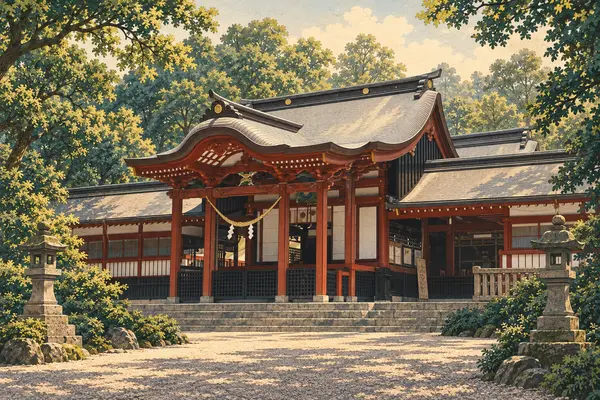
鹿児島神宮
The current shrine buildings date to 1756. The shrine subsequently received national shrine ranks in the Meiji period.
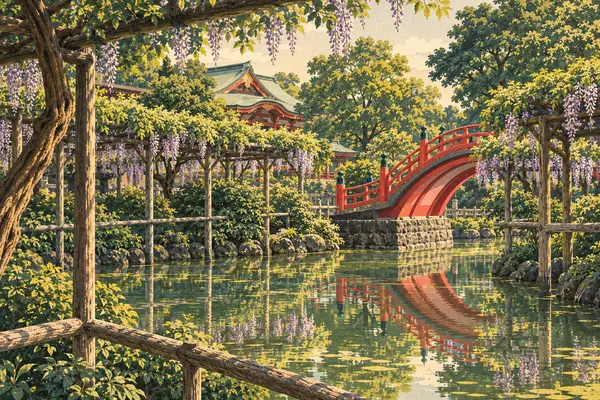
亀戸天神社
In 1662 the shrine complex was built in imitation of Dazaifu Tenmangū, including its halls, pond and arched bridges.
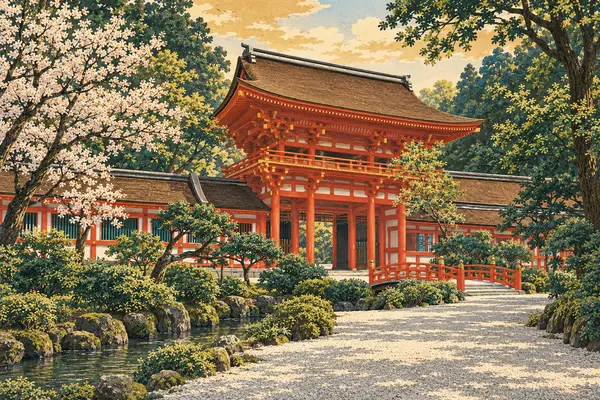
賀茂別雷神社
The main and provisional sanctuaries were rebuilt in 1863 and designated National Treasures in 1953.
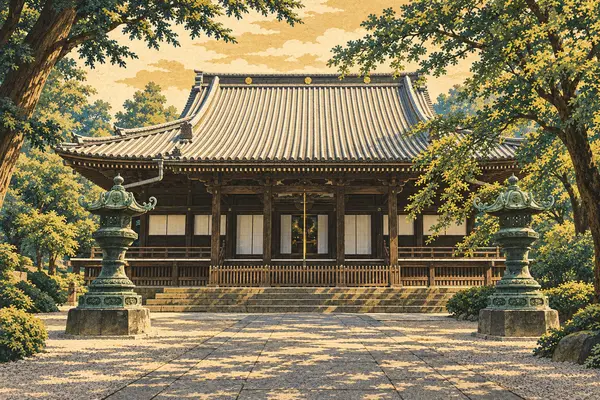
寛永寺
Tenkai established Kan’ei-ji in 1625 to pray for the Tokugawa government and the peace of the people.
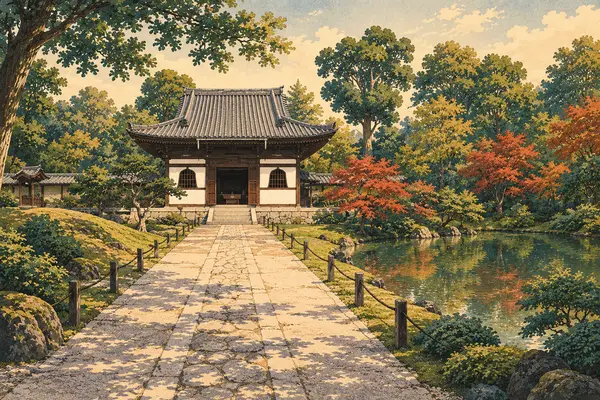
高台寺
Nene established Kōdai-ji in 1606 to commemorate Toyotomi Hideyoshi.
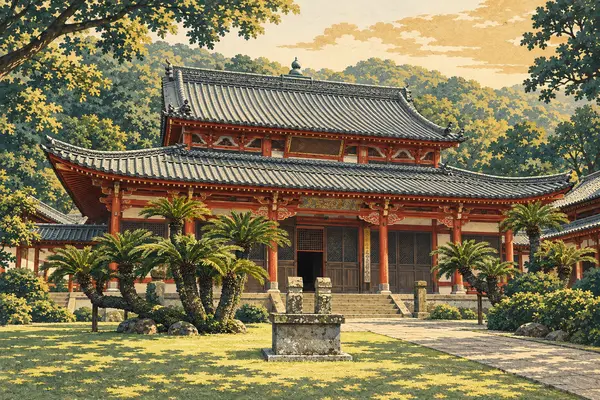
興福寺
Chinese residents from the Nanjing region established Kofukuji in 1620, identifying Shinen as its founder.
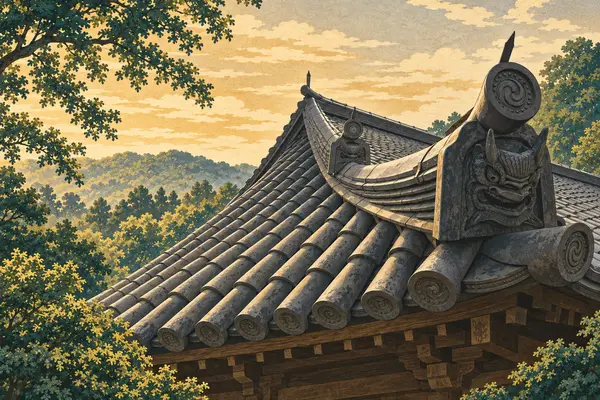
孝恩寺
Kōon-ji was founded in 1655 and absorbed the surviving Kannon-dō of the older Kannon-ji in 1914.
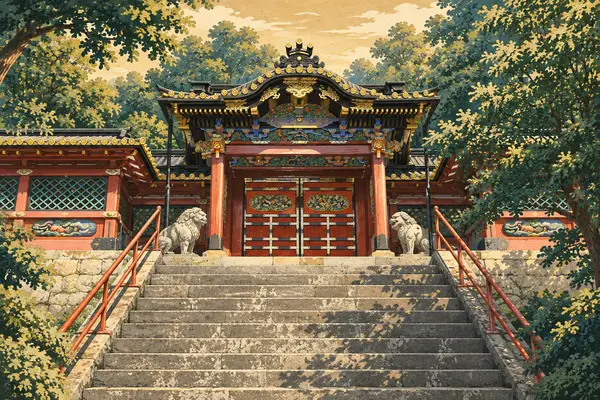
久能山東照宮
Tokugawa Hidetada ordered the shrine’s creation at Ieyasu’s burial place following Ieyasu’s death in 1616.
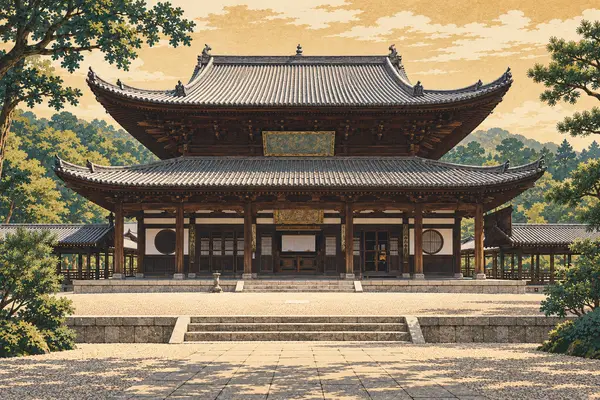
萬福寺
Ingen Ryuki founded Manpuku-ji in Uji in 1661, bringing Chinese Zen traditions.
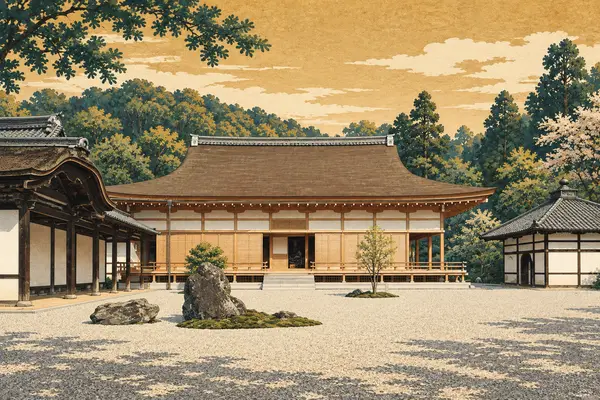
曼殊院
Prince Ryosho moved Manshuin to its present site and constructed its buildings in 1656.
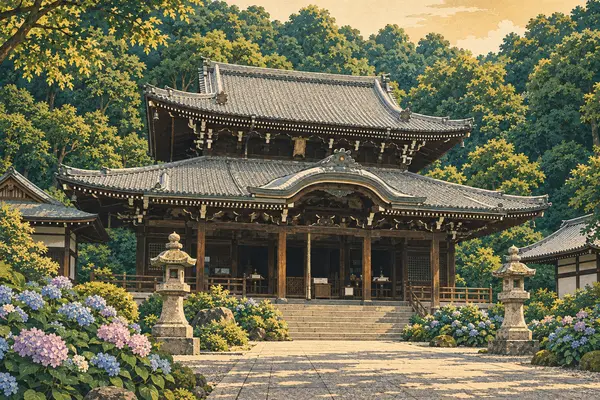
三室戸寺
The present main hall was completed in 1814 through Hōnyo’s reconstruction project, more than thirty years after planning began.
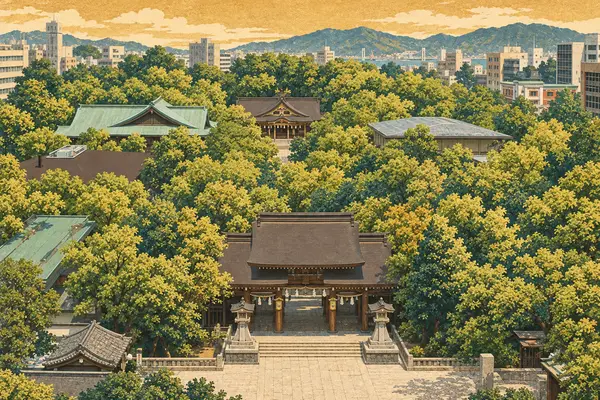
湊川神社
Tokugawa Mitsukuni erected a memorial stone for Kusunoki Masashige here in 1692.
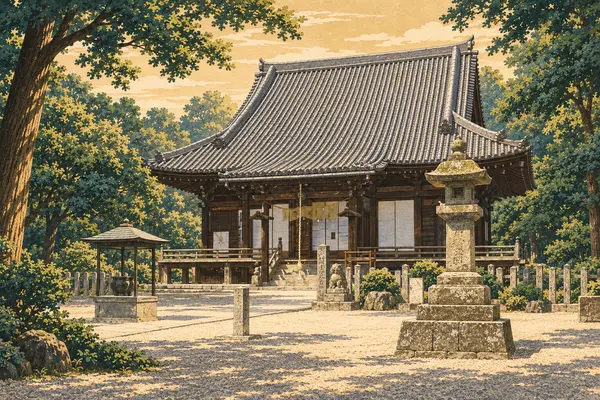
陸奥国分寺
Date Masamune rebuilt the Yakushidō on the former lecture-hall site in October 1607.
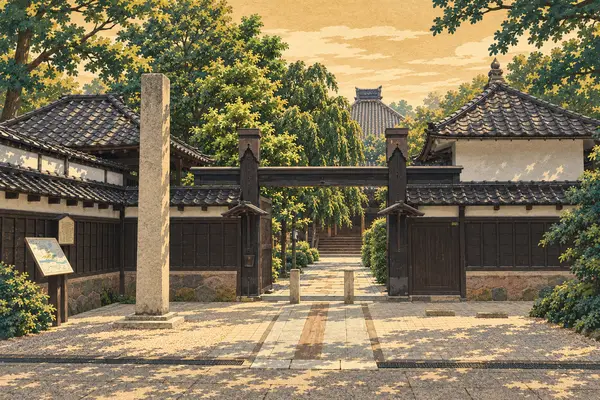
妙立寺
In 1643, Maeda Toshitsune ordered the relocation of the castle prayer chapel and founded the temple at its present vicinity.
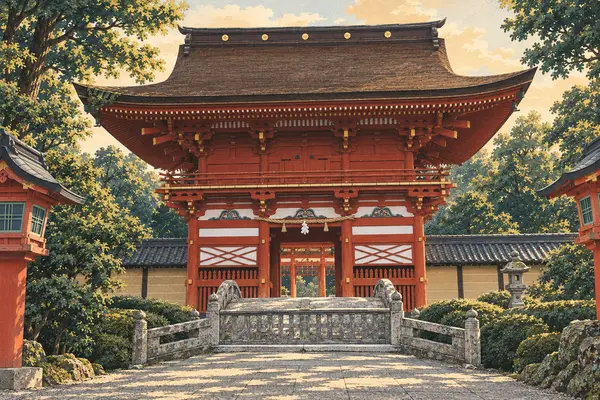
南宮大社
Tokugawa Iemitsu restored the shrine in 1642 after its destruction in 1600.
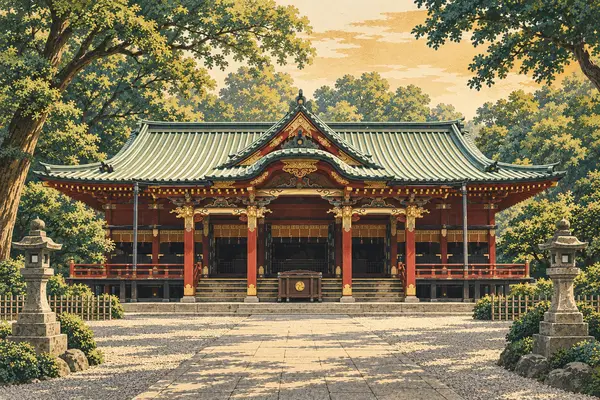
根津神社
Tokugawa Tsunayoshi donated the present site and commissioned new buildings, completed for the 1706 transfer from Sendagi.
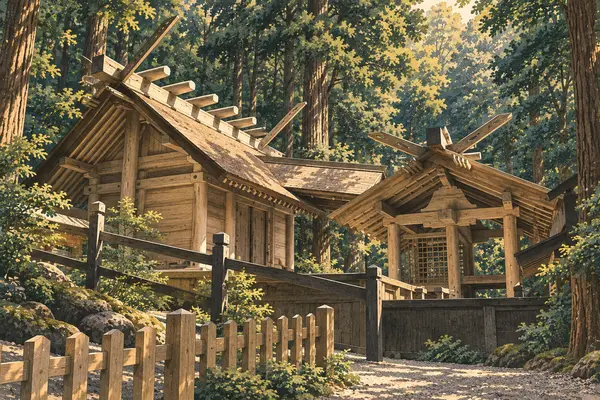
仁科神明宮
The main sanctuary, connecting tsuriya and central gate were constructed in 1636. The shrine’s initial foundation date is unknown.
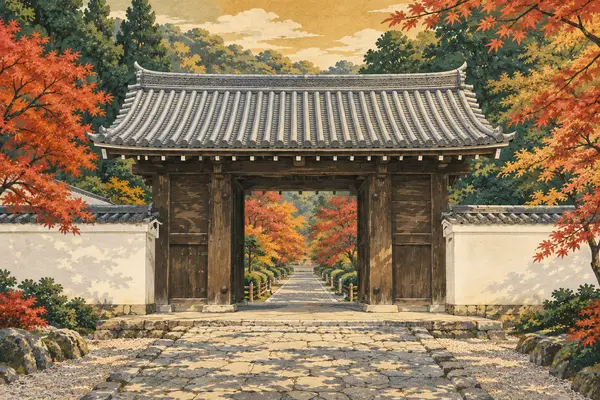
二尊院
Suminokura Ryoi donated the present main gate, relocated from Fushimi Castle, in 1613.
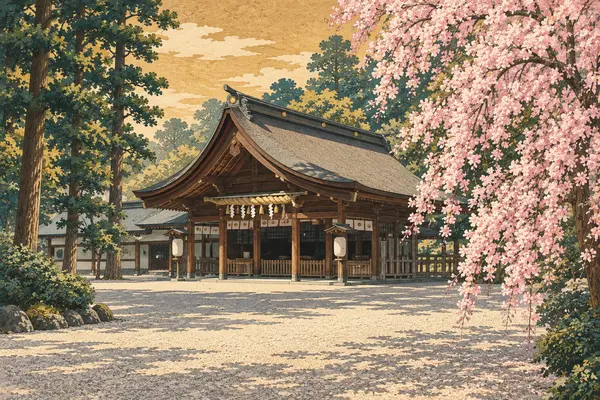
大縣神社
Tokugawa Mitsutomo rebuilt the current shrine buildings in 1661.
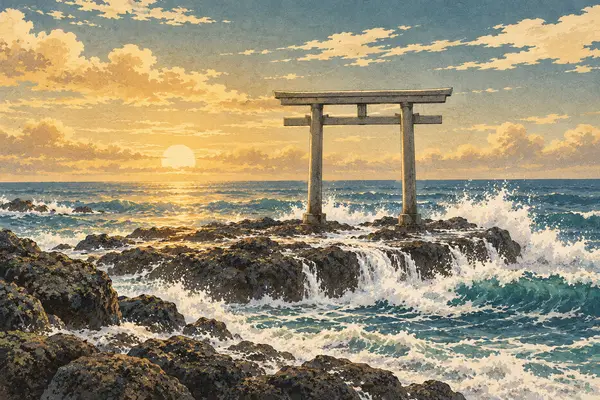
大洗磯前神社
The present main sanctuary, worship hall and guardian gate were completed in 1730 after construction began in 1690.
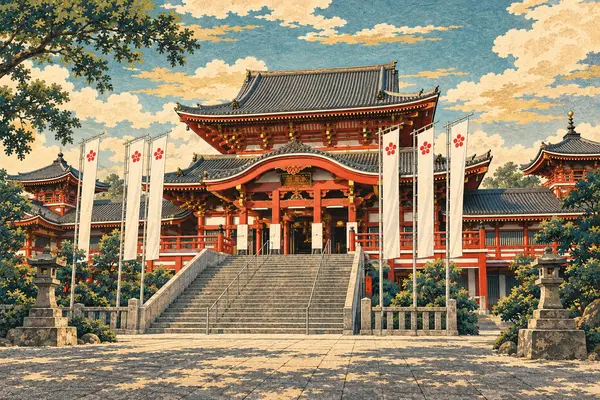
大須観音
Tokugawa Ieyasu moved Osu Kannon from Mino to its present location in 1612.
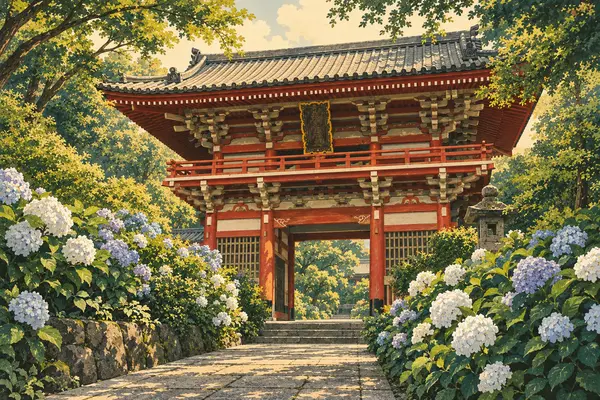
楽法寺
An surviving construction plaque dates the temple’s two-story pagoda to 1853.
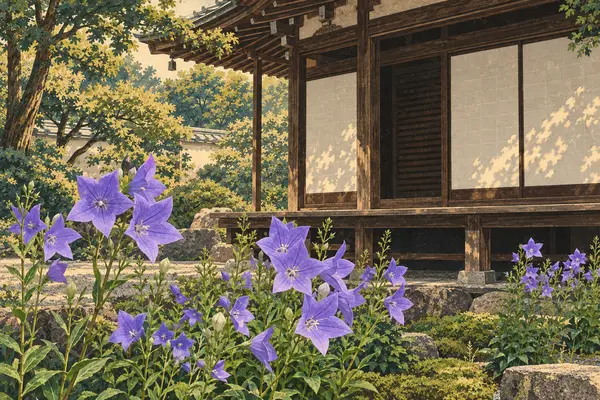
廬山寺
The present main hall and memorial hall were built in 1794 using buildings relocated from the Sento Imperial Palace.
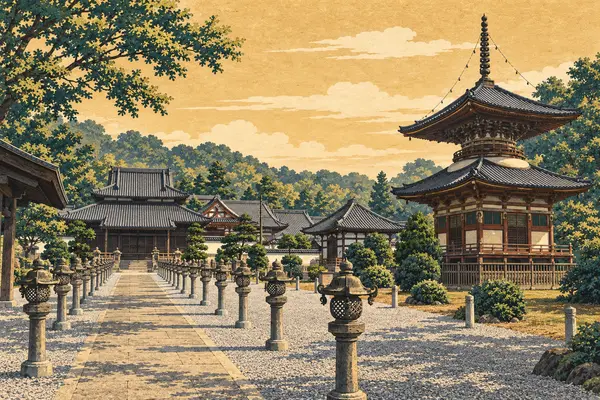
酒見寺
Sagami-ji’s surviving tahōtō pagoda was rebuilt in 1662 after warfare had destroyed the precincts.
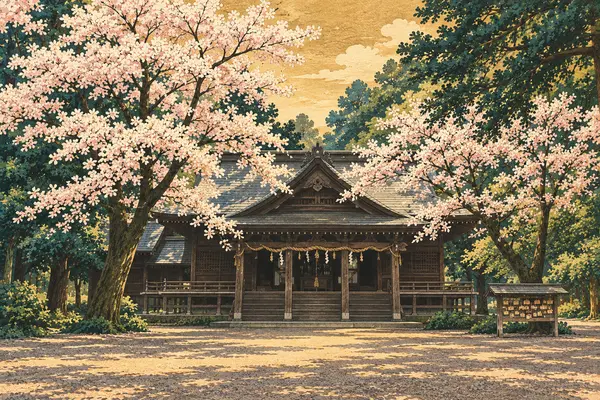
猿賀神社
The surviving main sanctuary dates to 1826.
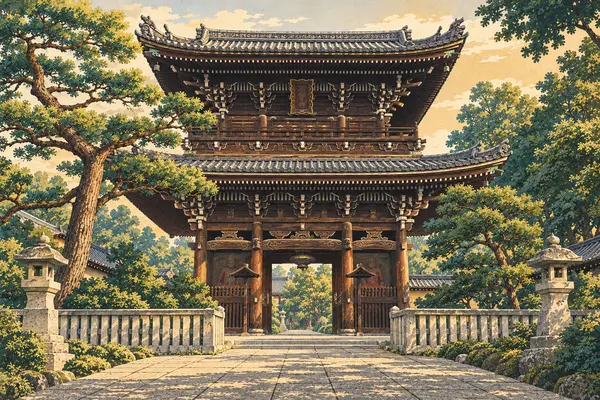
清凉寺
The main hall’s rebuilt frame was raised in 1701, following restoration work begun in 1694.
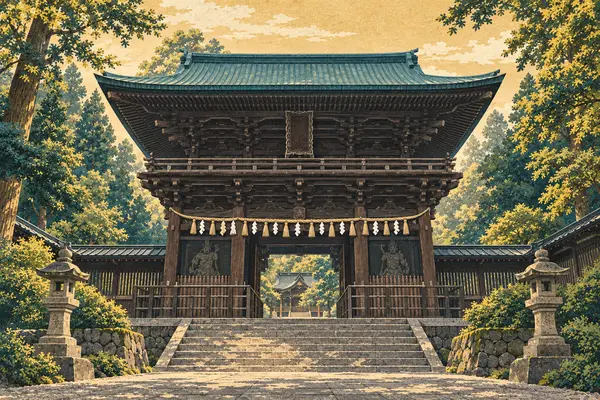
仙台東照宮
Date Tadamune, the second Sendai lord, founded this Tōshōgū in 1654.
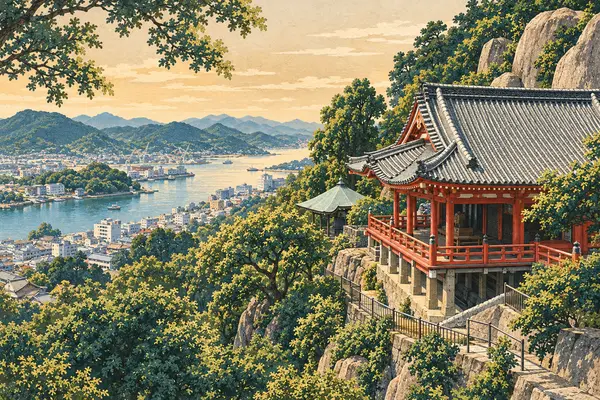
千光寺
The present main hall was constructed in 1686 using a stage-like hillside form; the altar dates to approximately 1394–1440.
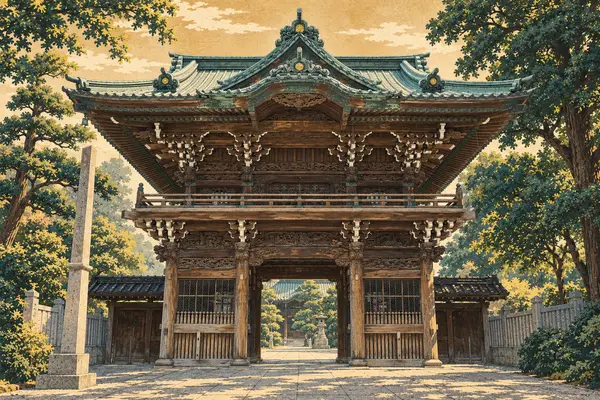
柴又帝釈天
Daikyō-ji was established in 1629 with Nitchū of Nakayama Hokekyō-ji honored as its founding teacher.
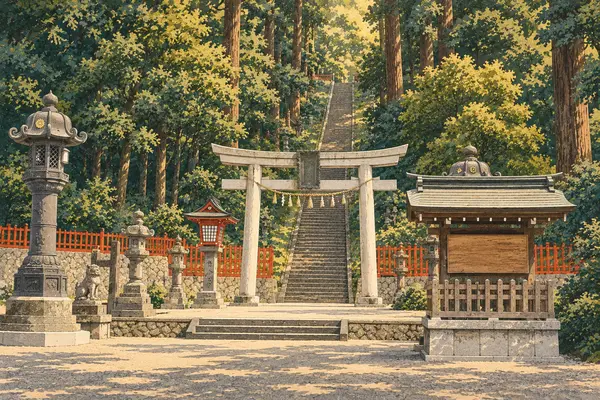
鹽竈神社
The present shrine buildings were completed in 1704 under Sendai lord Date Yoshimura.
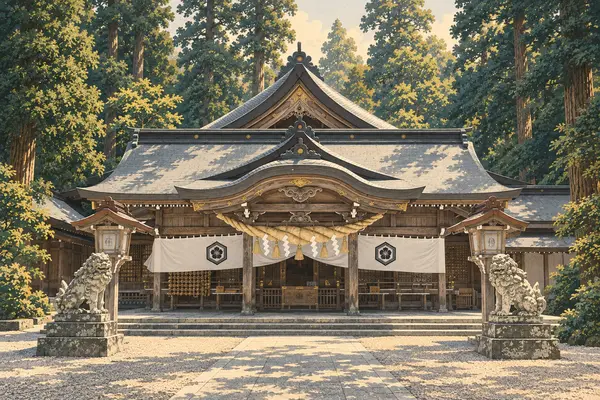
白山比咩神社
The shrine’s chronology dates the consecration of its present main sanctuary to 1770.
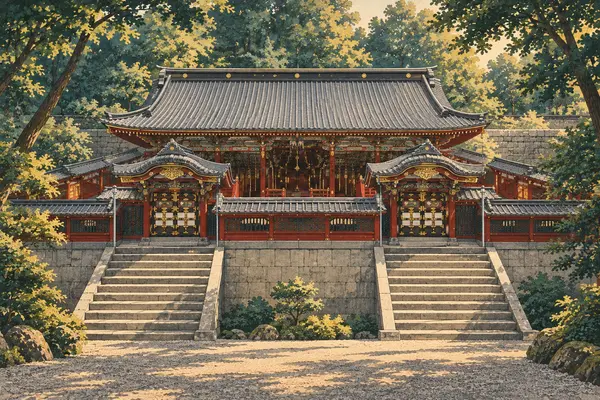
静岡浅間神社
The present shrine complex was rebuilt in a project beginning in 1804 that lasted more than sixty years.
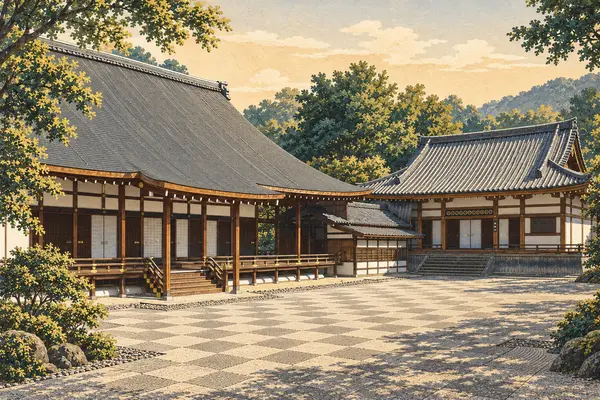
聖護院
Shogoin was rebuilt at its present site in 1676 after earlier fires and relocations.
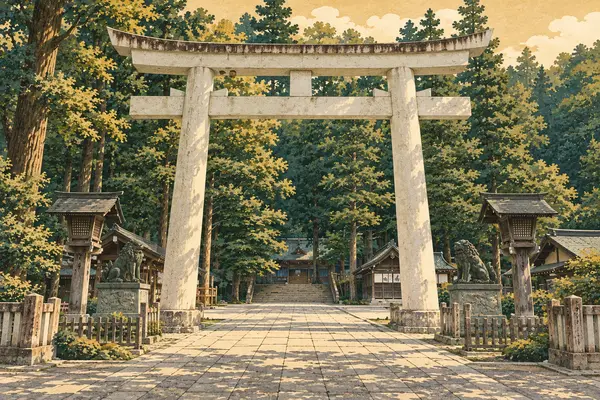
諏訪大社上社本宮
Honmiya’s present shrine buildings were completed in 1838.
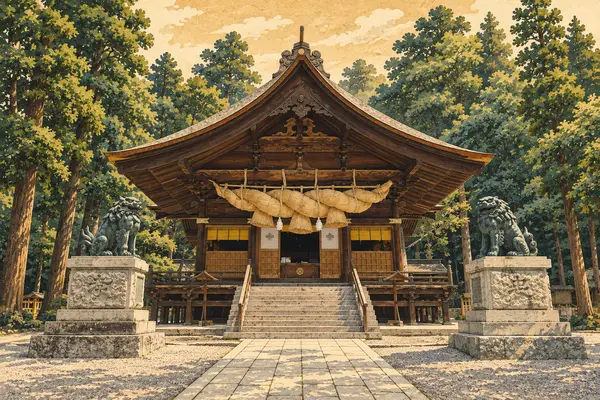
諏訪大社下社秋宮
Akimiya’s ritual and worship halls were completed in 1781.
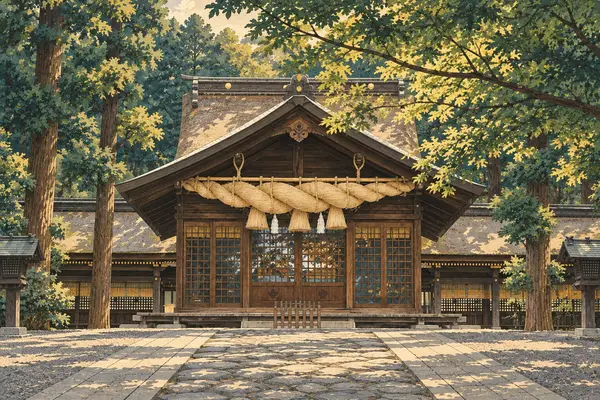
諏訪大社下社春宮
Harumiya’s Edo-period rebuilding was completed in 1780.
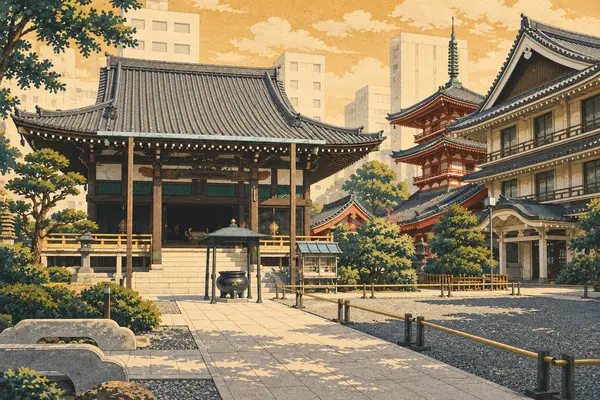
太融寺
Taiyū-ji’s buildings burned during the fall of Osaka Castle in 1615 and were rebuilt during the Genroku era.
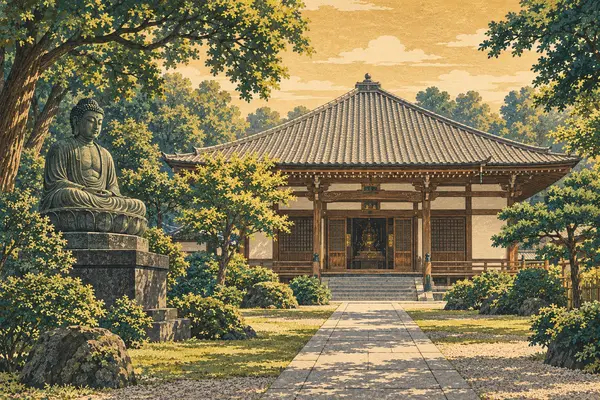
天王寺
The temple took its present name, Gokokuzan Tennō-ji, in 1833 after earlier being known as Chōyōzan Kannō-ji.
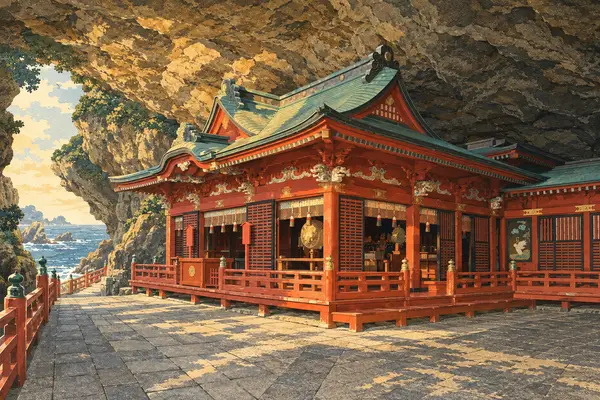
鵜戸神宮
The present main sanctuary was rebuilt in 1711 and underwent major repairs in 1889, 1968 and 1996. The source distinguishes this documented building history from uncertain ancient foundation stories.
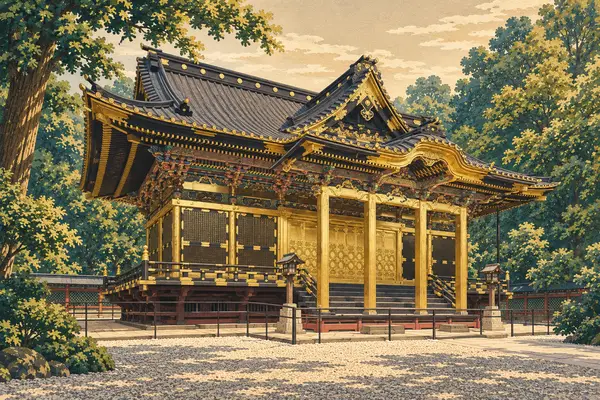
上野東照宮
Ueno Tōshōgū was founded in 1627 to enshrine Tokugawa Ieyasu.
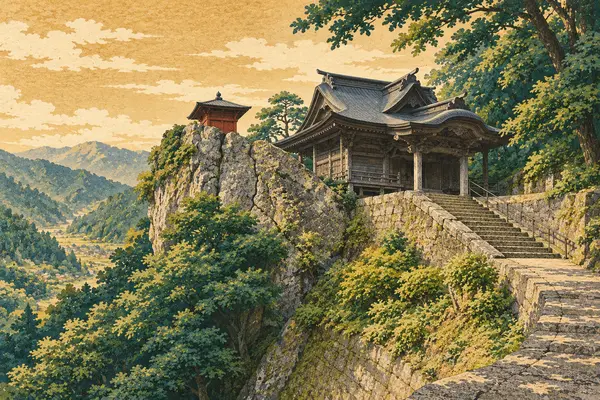
立石寺
Matsuo Bashō visited the temple in 1689 during the journey recorded in Oku no Hosomichi.
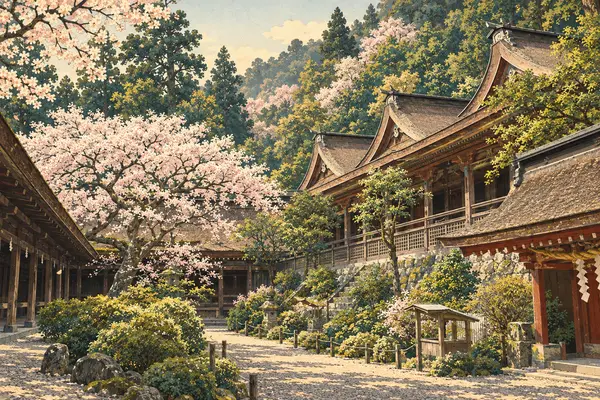
吉野水分神社
Toyotomi Hideyori rebuilt the present shrine buildings in 1604. Their Momoyama-period architectural ensemble is designated an Important Cultural Property.
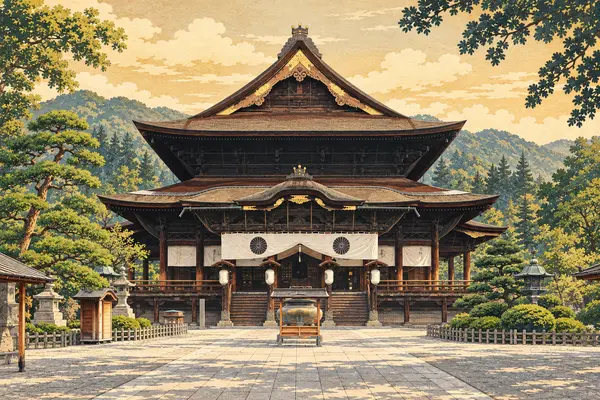
善光寺
The present main hall was completed in 1707 after the fire of 1700 and a nationwide fundraising tour.
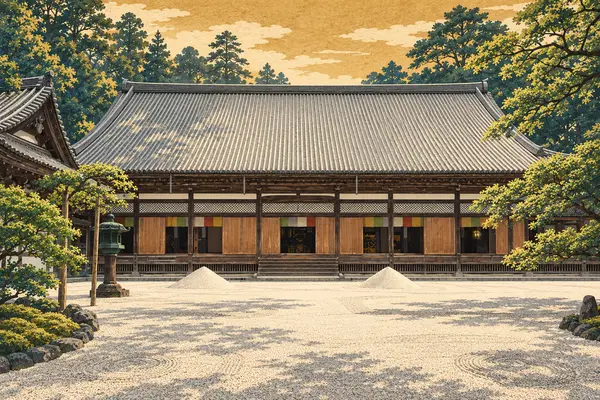
瑞巌寺
Date Masamune’s rebuilding project was completed in 1609 after five years of work.
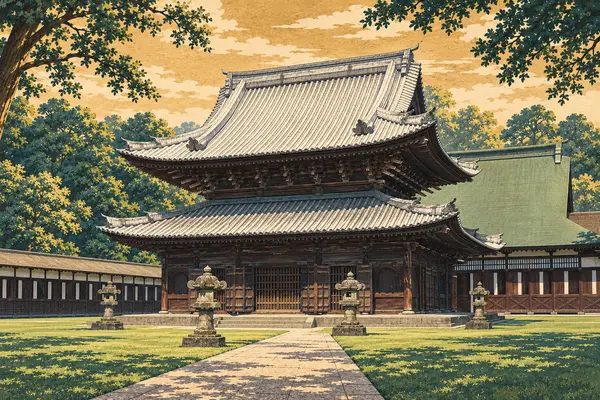
瑞龍寺
Maeda Toshitsune established the temple to commemorate Toshinaga; the principal complex was completed in 1663 after roughly twenty years of construction.
No places match these filters. Try a different name, prefecture, or era.