
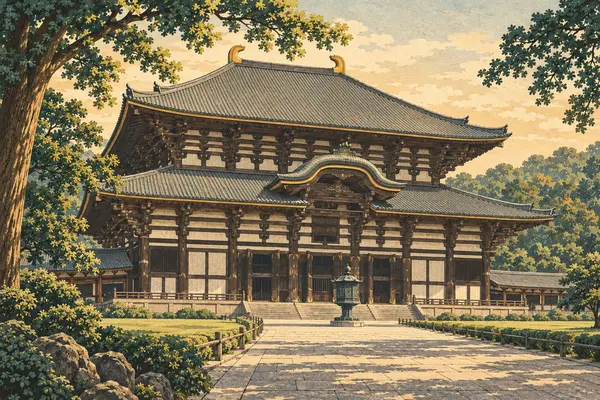
東大寺
Tōdai-ji Temple
The Great Buddha’s eye-opening ceremony took place in 752. The present Nigatsu-dō was rebuilt two years after the 1667 fire, in 1669. Chōgen rebuilt Hokke-dō’s worship hall in 1199 and joined it to the older image hall.
Discover the places in this prefecture, with original illustrations and links to visitor sources.
47 places
32 Temples · 15 ShrinesBrowse places by founding, rebuilding, and other events in each historical era.
東大寺
The Great Buddha’s eye-opening ceremony took place in 752. The present Nigatsu-dō was rebuilt two years after the 1667 fire, in 1669. Chōgen rebuilt Hokke-dō’s worship hall in 1199 and joined it to the older image hall.
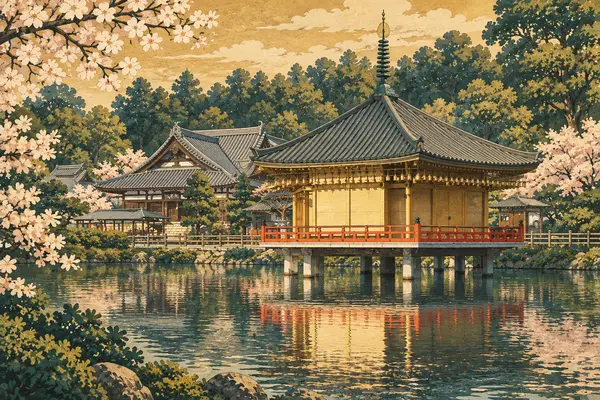
安倍文殊院
Kaikei created the principal Monju Bodhisattva image in 1203 during the Kamakura period.
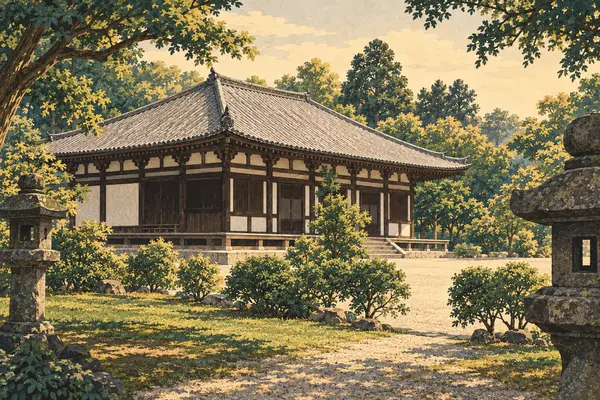
秋篠寺
Fire destroyed the main hall in 1135. The present hall was reconstructed during the Kamakura period using surviving timber from earlier buildings.
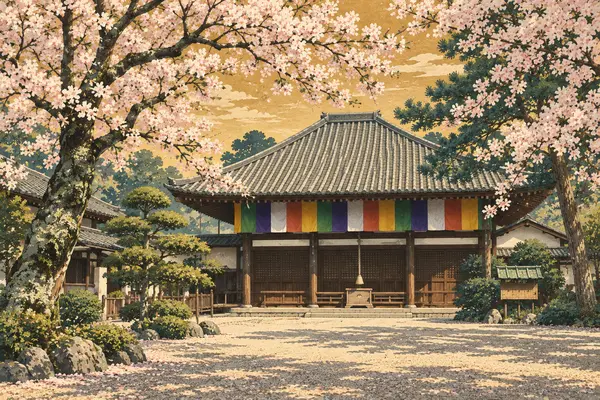
飛鳥寺
Asuka-dera was completed in 596 under Soga no Umako’s patronage. Most early buildings were lost in the Kamakura period; the present main hall was rebuilt in the Edo period.
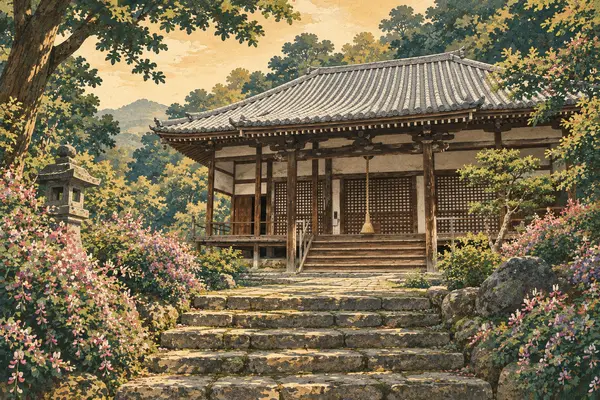
白毫寺
Eison revived Byakugō-ji during the Kamakura period. Its earlier association with Prince Shiki’s villa is presented as a foundation tradition.
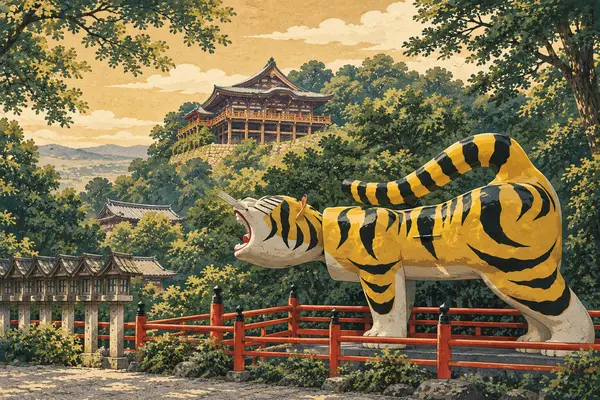
朝護孫子寺
The temple’s foundation legend connects Prince Shōtoku’s 587 battle prayers with the appearance of Bishamonten.
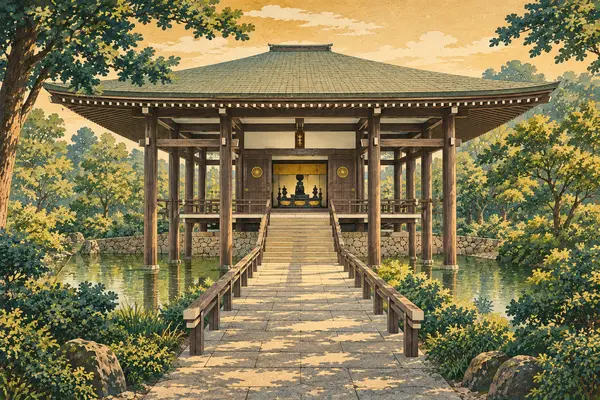
中宮寺
Excavations in 1963 confirmed the original temple’s south-pagoda, north-main-hall arrangement east of the present site.
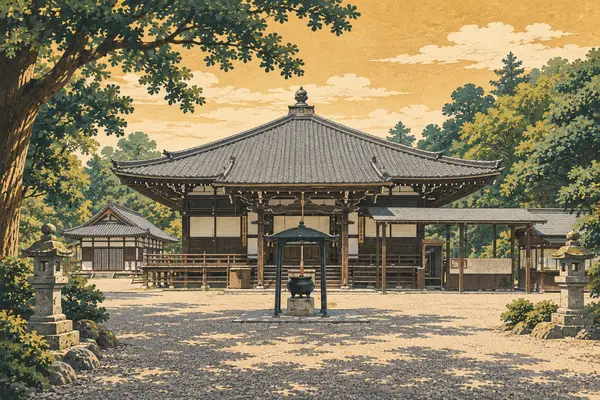
大安寺
Daian-ji moved to its present Nara site in 710 with the transfer of the capital.
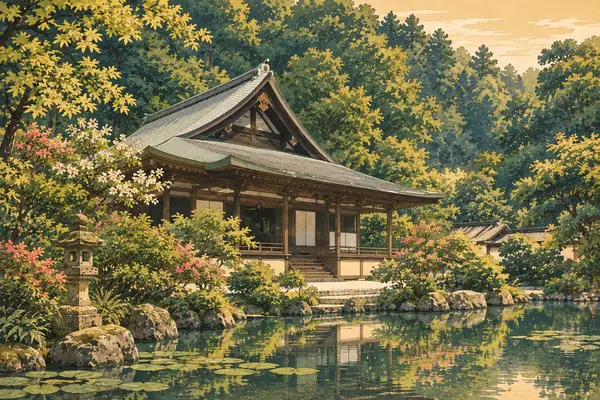
円成寺
Following earlier destruction, reconstruction restored fourteen temple buildings by 1487 under Eikō’s leadership.
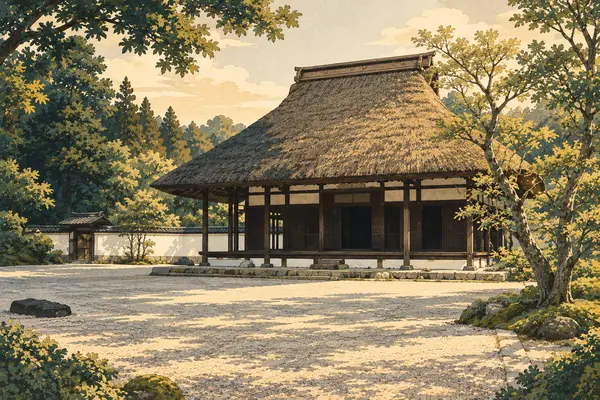
圓照寺
The national tourism association entry dates Enshō-ji’s establishment to 1669.
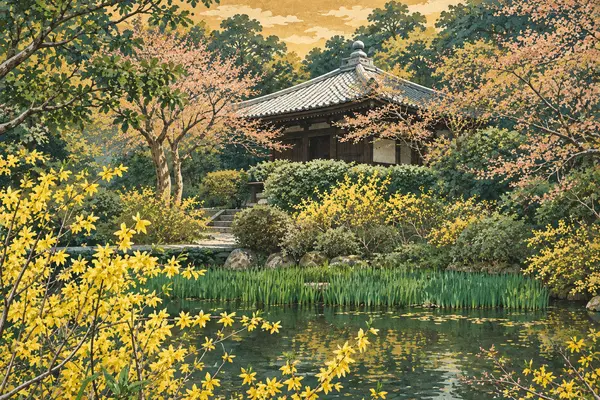
不退寺
Temple tradition attributes Futaiji’s beginnings in 847 to Ariwara no Narihira enshrining his carved Buddhist image.
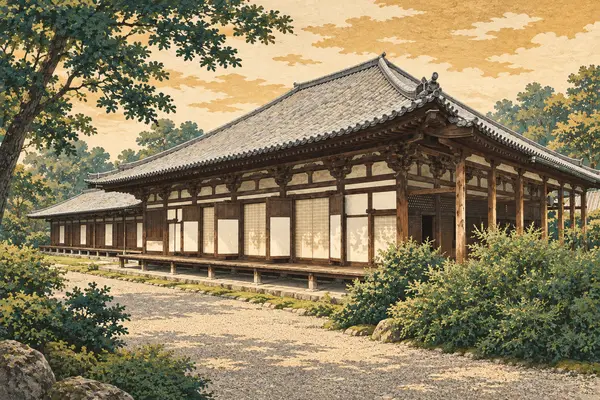
元興寺
Gangō-ji moved from Asuka to the Heijō capital in 718.
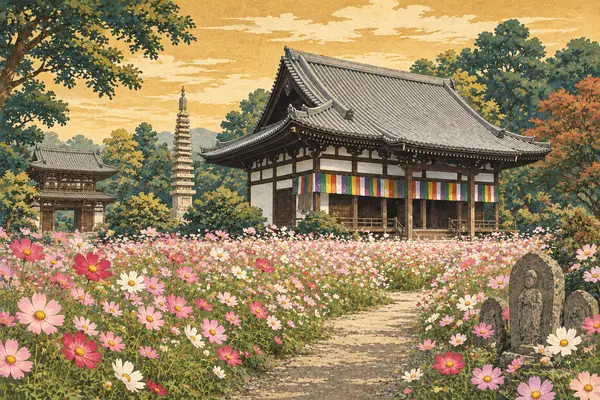
般若寺
Hannya-ji was rebuilt during the Kamakura period after earlier destruction. Its surviving National Treasure gate belongs to that period.
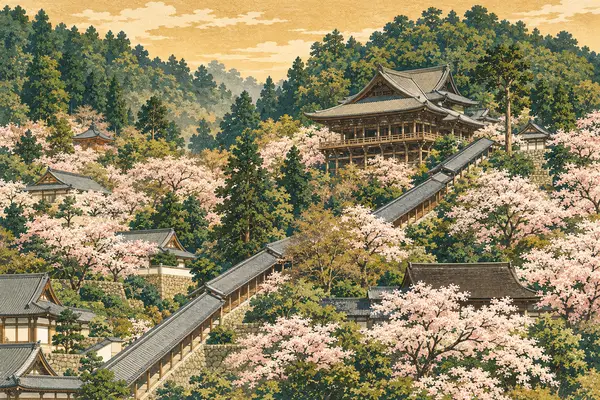
長谷寺
The association’s history dates Dōmyō’s installation of the bronze Lotus Sutra image plaque on the western hill to 686.
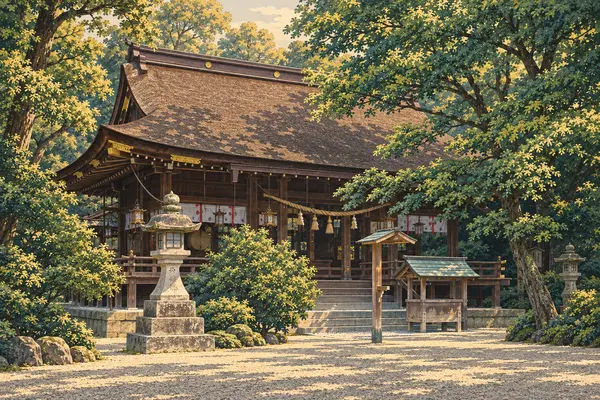
廣瀬大社
The Nihon Shoki records an offering to the Ōimi deity at Hirose in 675, regarded as the beginning of the shrine’s Ōimi festival.
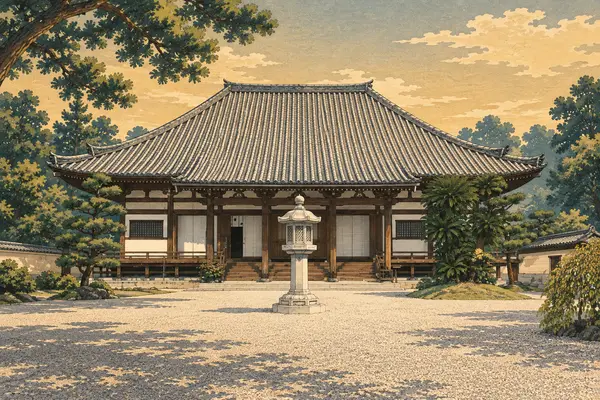
法華寺
In 745, Empress Kōmyō converted her residence into a temple; the name Hokke-ji appears in a 747 historical record.
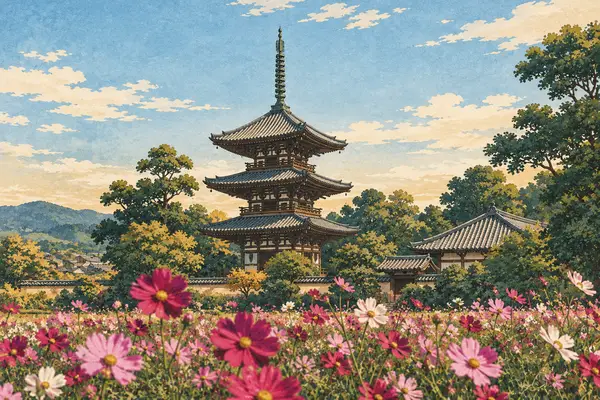
法起寺
The surviving three-storey pagoda was completed in 706. The other present halls were rebuilt during the Edo period.
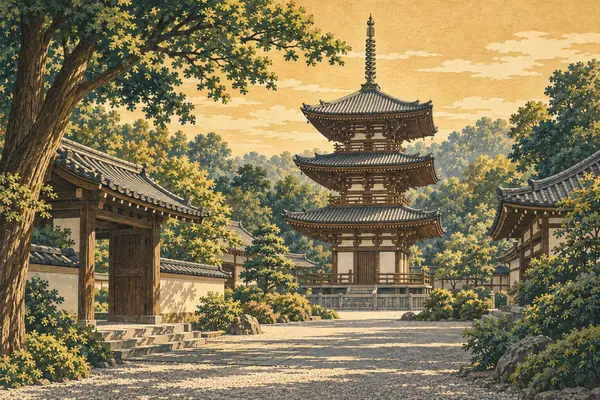
法輪寺
Lightning destroyed Hōrin-ji’s three-storey pagoda in 1944. It was reconstructed in 1975 using traditional building methods.
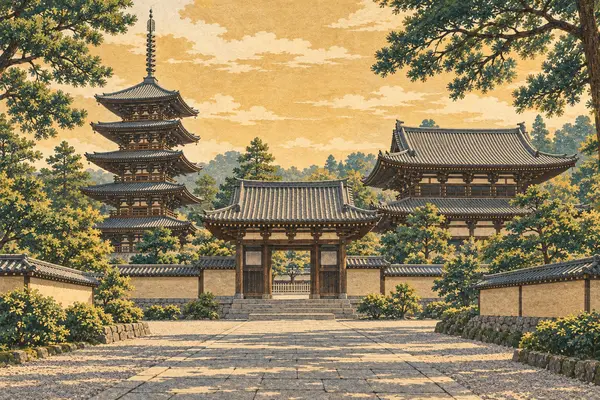
法隆寺
The Nihon Shoki records destruction by fire in 670; the present principal buildings are understood to have been completed in the early eighth century.
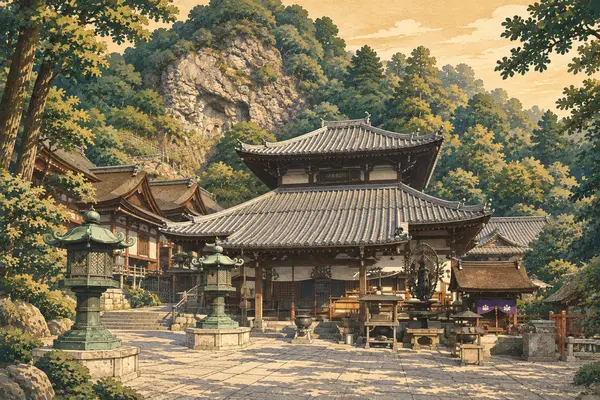
宝山寺
Hōzan Tankai revived Hōzan-ji in 1678 and introduced worship of Kangiten.
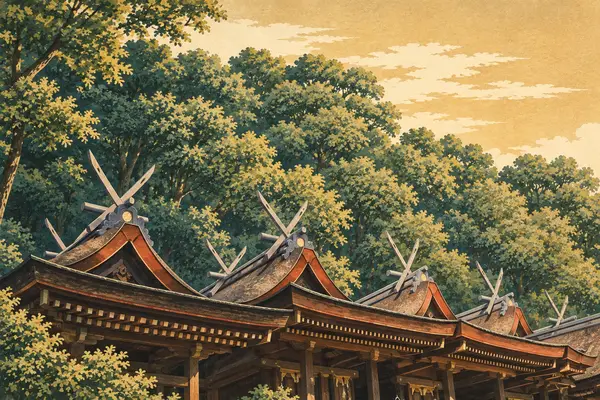
往馬坐伊古麻都比古神社
The shrine first appears as Ikoma-no-kami in a Nara-period document. Its tradition of foundation in Emperor Yūryaku’s reign is distinguished from that documentary evidence.
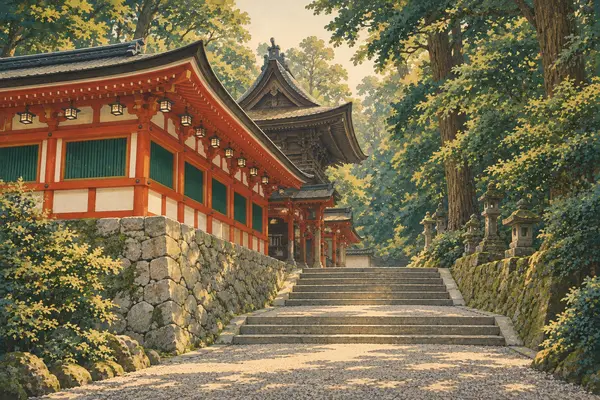
石上神宮
The foundation tradition dates worship of the three principal deities at Isonokami Furu to Emperor Sujin’s seventh year. Ancient texts preserve several names for the shrine.
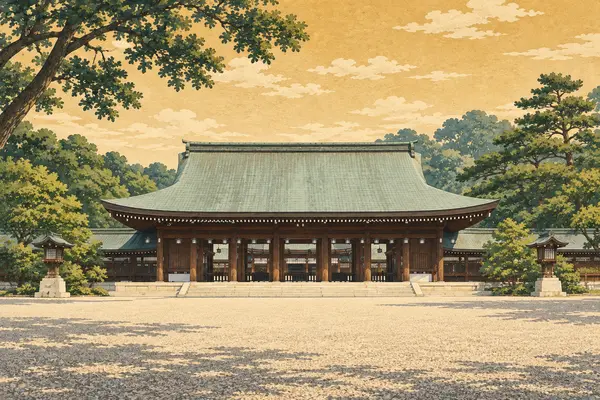
橿原神宮
Kashihara Jingū was established on April 2, 1890. Emperor Meiji provided buildings from the Kyoto Imperial Palace for its sanctuary and worship hall.
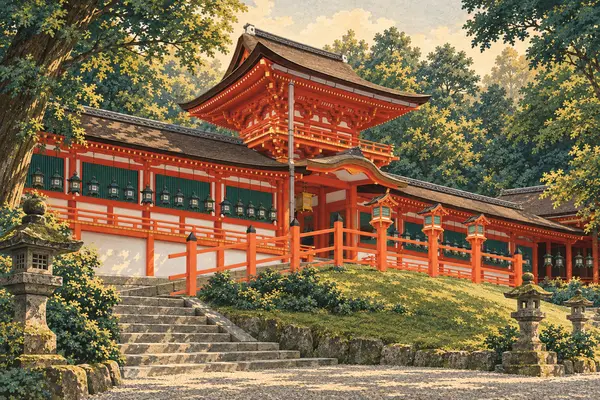
春日大社
Four sanctuaries were built at the present site in 768 during Empress Shōtoku’s reign, with worship of four deities associated with the Fujiwara clan.
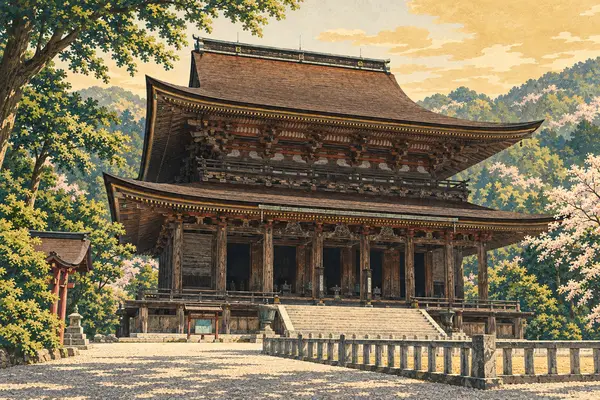
金峯山寺
The temple’s origin legend describes En no Gyōja invoking Zaō Gongen in the late seventh century and carving images from mountain cherry wood for Yoshino and Mount Ōmine.
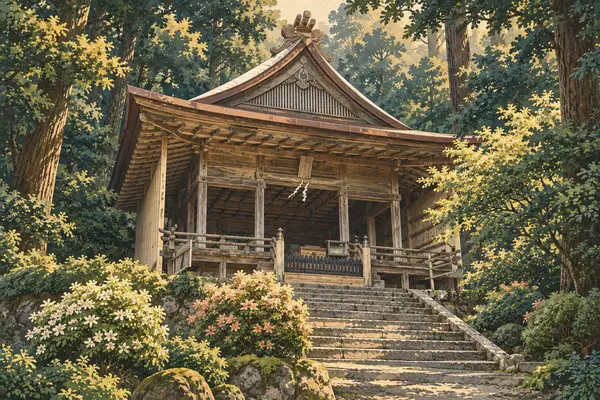
金峯神社
Kimpu Shrine enshrines the mountain land deity Kanayamahiko. The prefectural tourism guide describes its medieval role in Shugendō and notes that the worship hall was transferred from the former Yoshino Jingū.
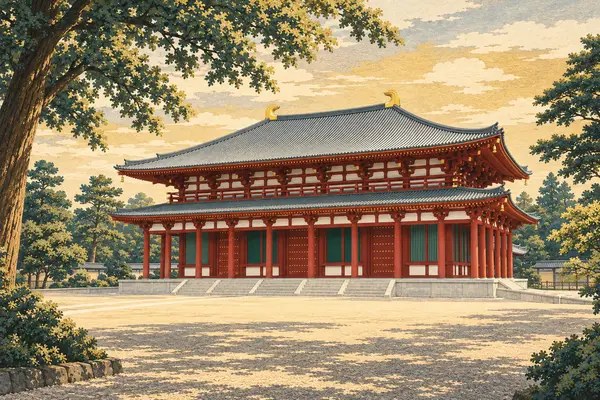
興福寺
Fujiwara no Fuhito moved the temple to the present Nara site in 710, when it received the name Kōfuku-ji.
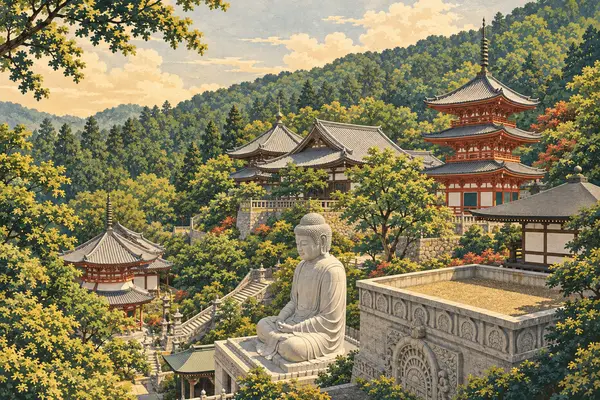
南法華寺
The foundation tradition attributes the temple’s origin in 703 to Benki’s mountain practice and the enshrinement of a Kannon image associated with his crystal jar.
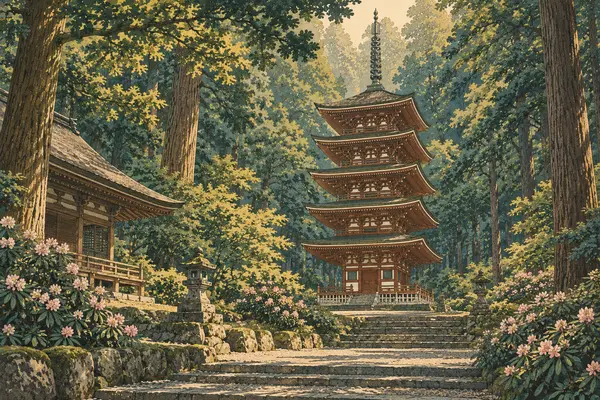
室生寺
Murō-ji’s development was overseen by Shūen of Kōfuku-ji around the transition from the Nara to Heian period.
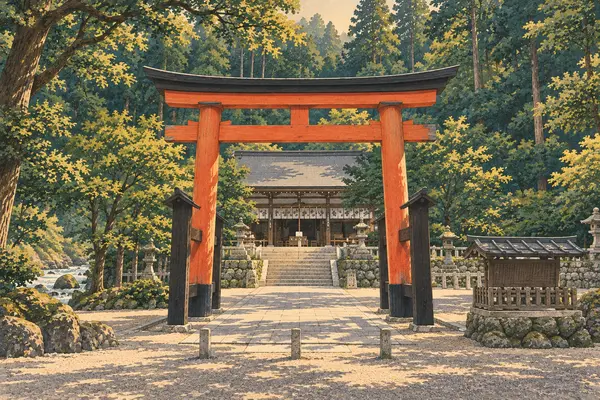
丹生川上神社
The association records an imperial rain-prayer offering in 763 and a clear-weather prayer offering in 775 at the shrine.
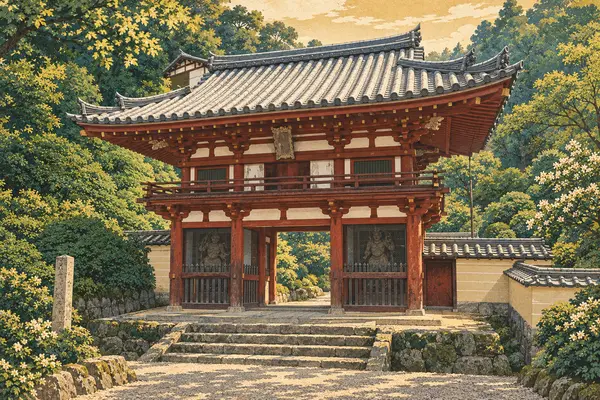
岡寺
Temple tradition credits Gien with founding Oka-dera at Emperor Tenji’s request.
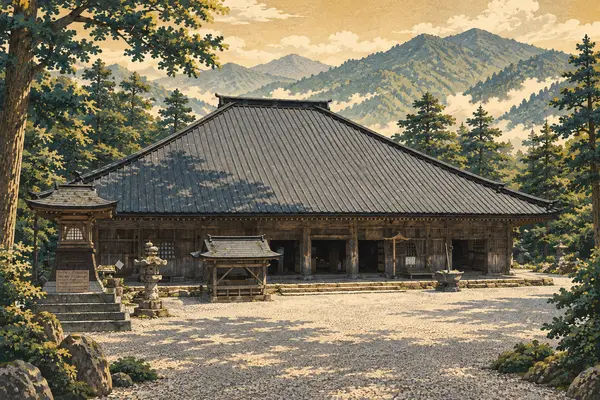
大峯山寺
Ōminesan-ji first appears in documentary records in 905; excavations found evidence of eighth-century religious activity here.
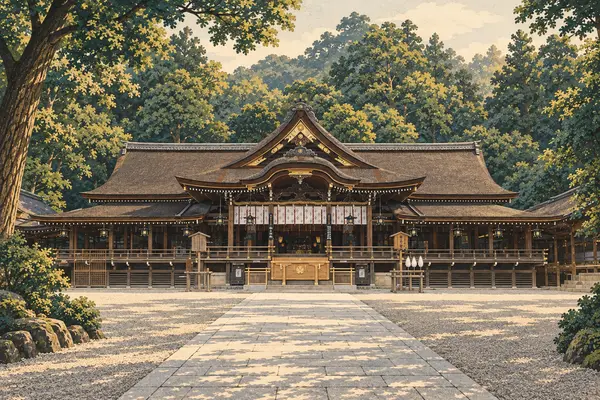
大神神社
The shrine’s origin myth in the Kojiki and Nihon Shoki describes Ōmononushi’s spirit being enshrined on Mount Miwa. Worship faces the mountain through the triple torii.
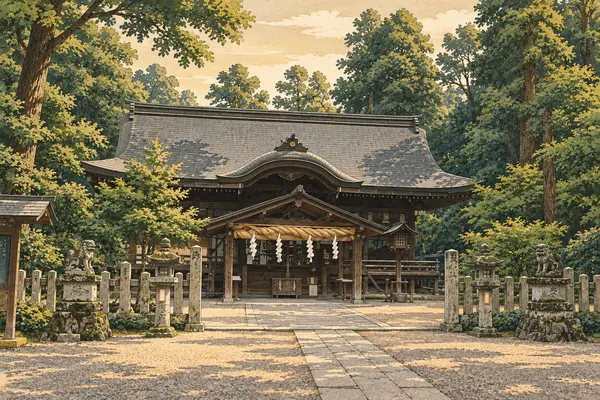
大和神社
The foundation tradition in the Nihon Shoki attributes separate worship of Yamato Ōkunitama to Emperor Sujin’s sixth year; later tradition describes moves before settlement at the present site.
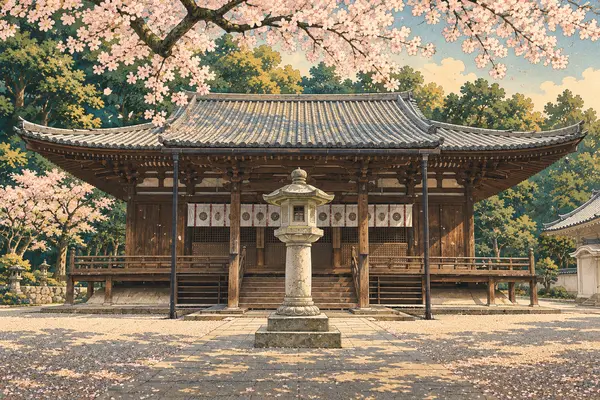
霊山寺
The foundation tradition links a healing bath and Emperor Shōmu’s daughter’s recovery to an imperial order establishing the temple in 734.
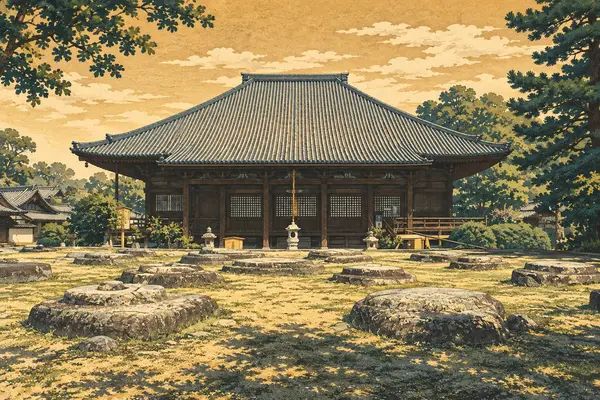
西大寺
Empress Shōtoku established Saidai-ji in 765, following her earlier pledge to commission Four Heavenly Kings images during the Nakamaro rebellion.
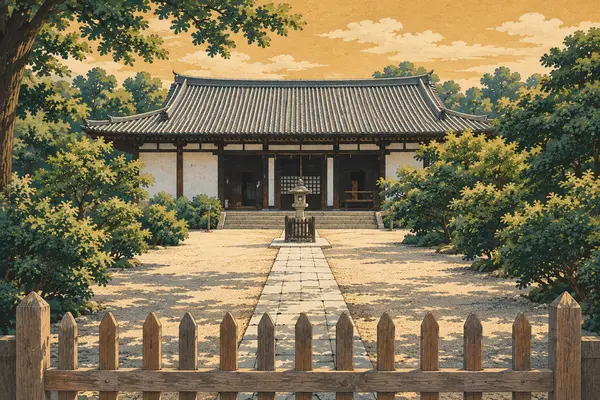
新薬師寺
Empress Kōmyō established Shin-Yakushi-ji in 747 to pray for Emperor Shōmu’s recovery.
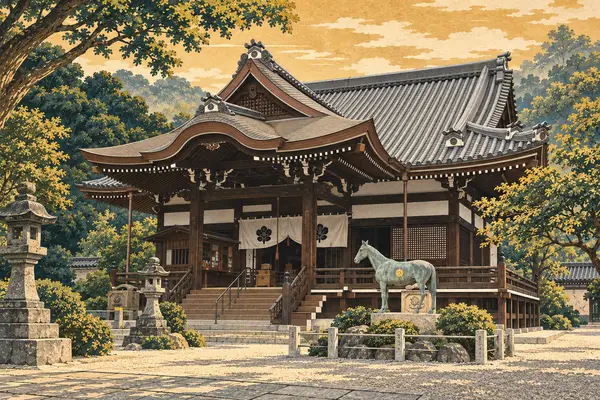
橘寺
The temple’s foundation date is unknown; its first recorded mention is in 680. Its surviving main hall was rebuilt during the Edo period.
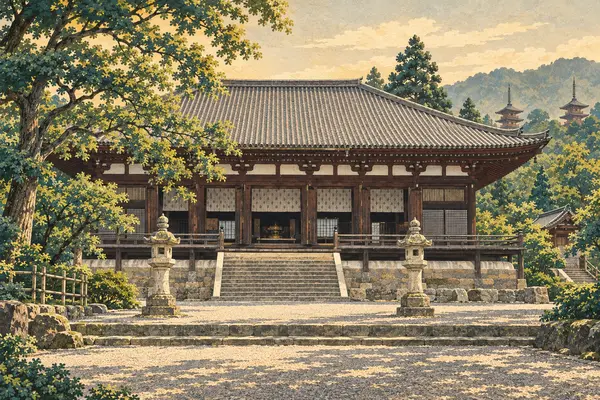
當麻寺
The temple’s foundation tradition attributes its establishment in Kawachi to Prince Maroko in 612, before a later move to the present Taima site.
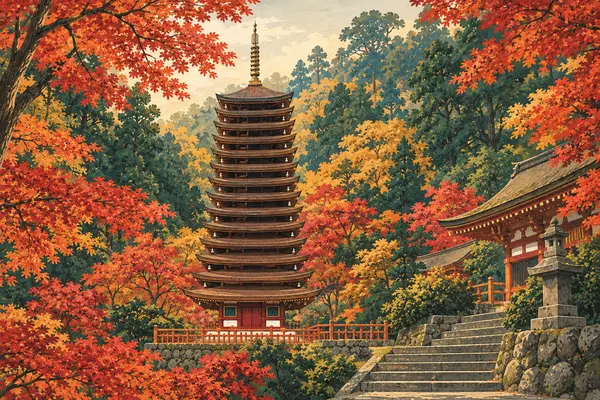
談山神社
The shrine’s place-name tradition associates its hill with secret discussions by Prince Naka no Ōe and Nakatomi no Kamatari before the events of 645.
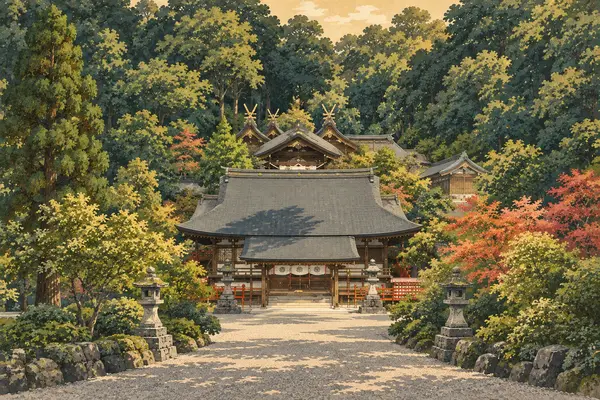
龍田大社
The shrine attributes its origins to an oracle received by Emperor Sujin during crop failure and epidemic. This is explicitly shrine tradition. Its wind deities are Ame no Mihashira and Kuni no Mihashira.
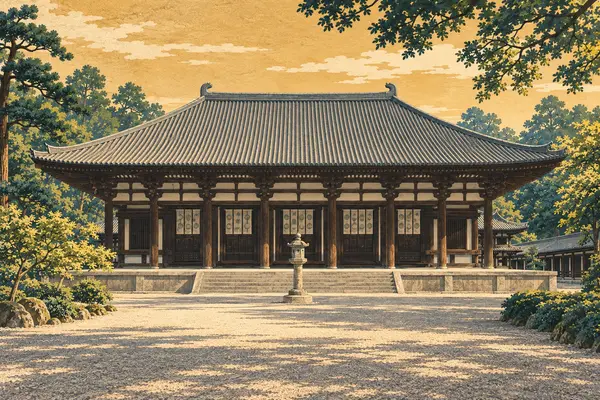
唐招提寺
Ganjin founded Tōshōdai-ji in 759 as a centre of Buddhist precept teaching.
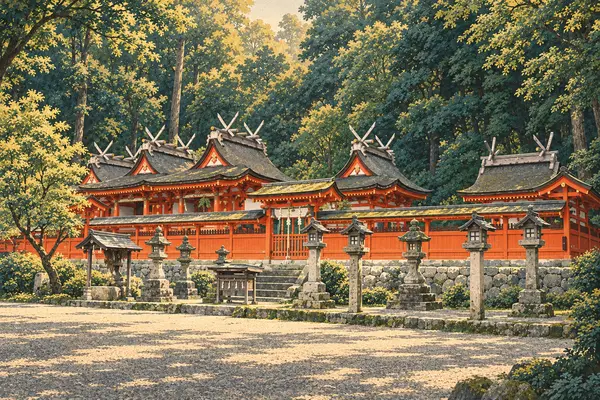
宇太水分神社
The three Kamakura-period main sanctuaries were designated National Treasures on March 20, 1954; two subsidiary shrine buildings received Important Cultural Property designations.
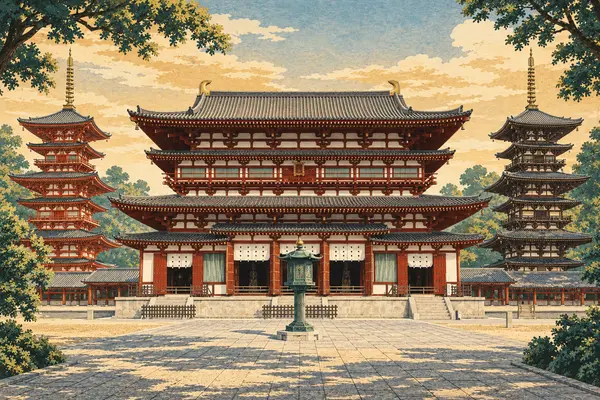
薬師寺
Yakushi-ji’s Kondō was reconstructed in 1976 as part of the modern restoration of its temple buildings. It houses the National Treasure Yakushi triad.
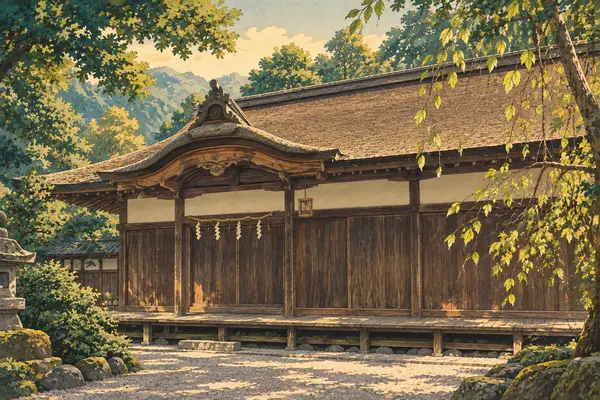
吉水神社
The former Yoshimizu-in religious residence was renamed Yoshimizu Shrine in 1875 following the separation of Shinto and Buddhism.
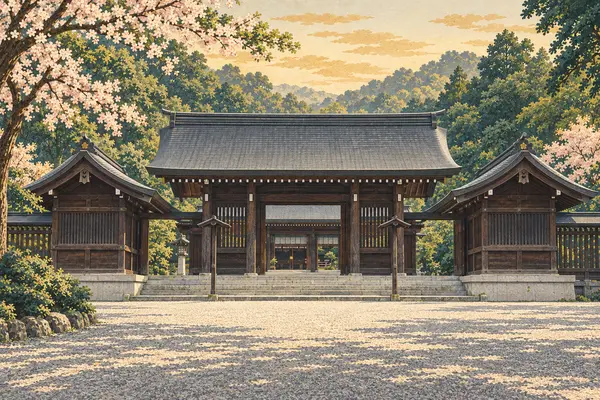
吉野神宮
Emperor Meiji established Yoshino Jingū in 1889 to enshrine Emperor Go-Daigo. The present shrine buildings were reconstructed in 1932.
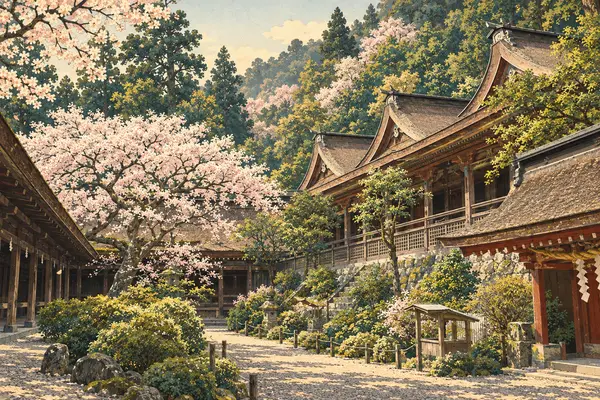
吉野水分神社
Toyotomi Hideyori rebuilt the present shrine buildings in 1604. Their Momoyama-period architectural ensemble is designated an Important Cultural Property.
No places match these filters. Try a different name, prefecture, or era.