
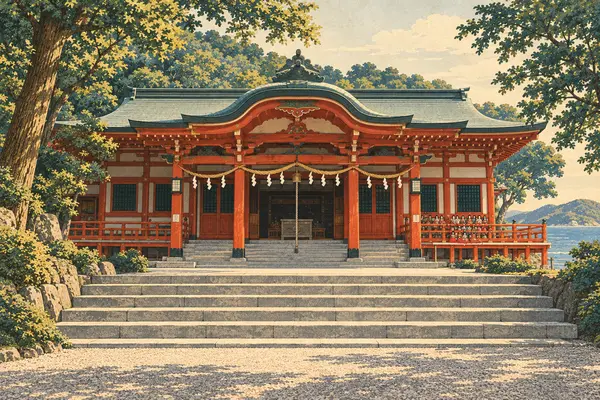
淡嶋神社
Awashima Shrine
Awashima Shrine preserves a tradition connecting its origins on Tomogashima with Empress Jing ū and later relocation to Kada. The city’s history also records doll offerings and other connections with the Kii Tokugawa family.
Discover the places in this prefecture, with original illustrations and links to visitor sources.
16 places
10 Temples · 6 ShrinesBrowse places by founding, rebuilding, and other events in each historical era.
淡嶋神社
Awashima Shrine preserves a tradition connecting its origins on Tomogashima with Empress Jing ū and later relocation to Kada. The city’s history also records doll offerings and other connections with the Kii Tokugawa family.
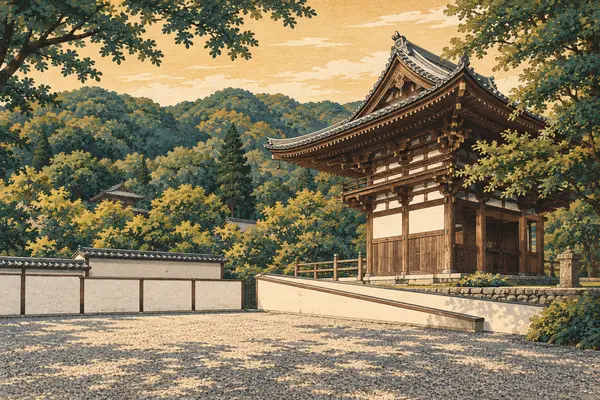
長保寺
Chōhō-ji attributes its establishment in 1000 to imperial patronage and the monk Shōkū. The temple distinguishes this foundation tradition from its surviving medieval main hall, pagoda and gate and its later Kii Tokugawa burial grounds.
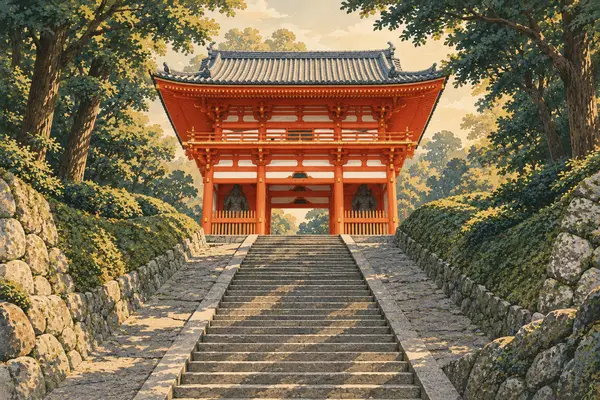
道成寺
Dōjō-ji’s chronology presents its 701 foundation under Emperor Monmu as a traditional account, connected with Fujiwara Miyako. Its subsequent history includes the Anchin and Kiyohime legend and changes in Buddhist affiliation.
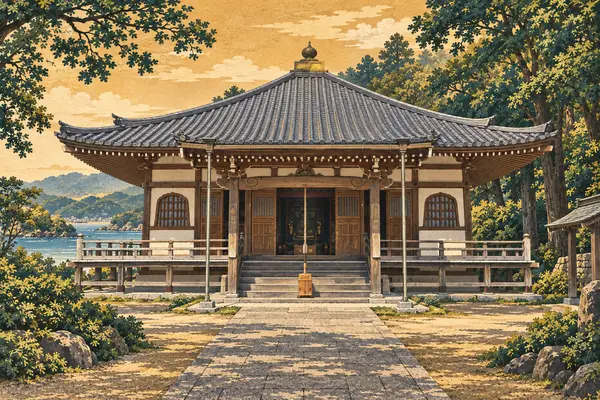
補陀洛山寺
Fudarakusan-ji is a branch temple of Seiganto-ji. Its history records monks departing from the coast to seek Kannon’s paradise, destruction by an 1808 typhoon, and reconstruction of the present main hall in 1990.
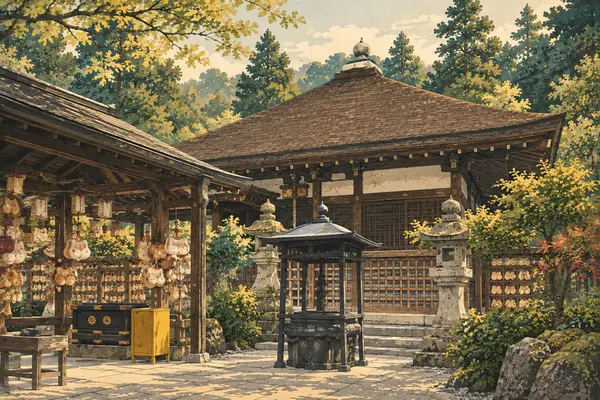
慈尊院
Jison-in traces its origins to Kūkai establishing an administrative temple in 816. Its traditions concerning his mother, Tamayō Gozen, explain its longstanding connections with women visiting Kōyasan.
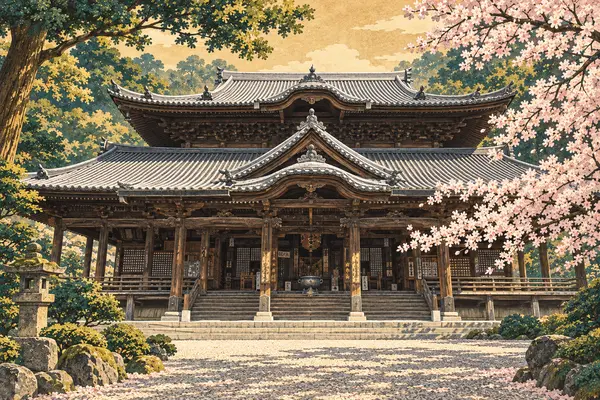
粉河寺
Kokawa-dera’s origin account links a hunter and a miraculous child pilgrim to a Kannon image in 770. The temple records destruction during Hideyoshi’s 1585 campaign and the completion of surviving halls under later Tokugawa patronage.
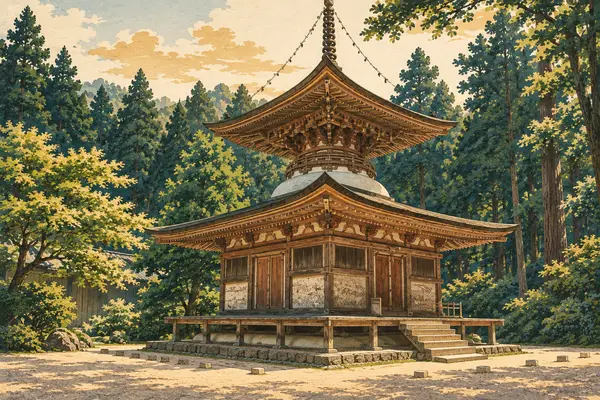
金剛三昧院
Kong ō Sanmai-in was established by Hōj ō Masako to commemorate Minamoto no Yoritomo and Sanetomo. The prefectural guide distinguishes its National Treasure pagoda from other protected buildings, including the sutra repository.
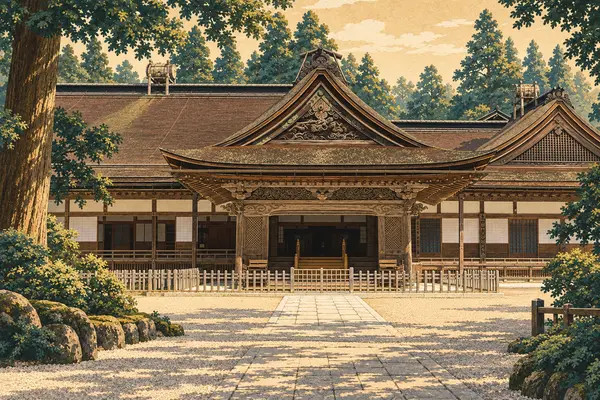
金剛峯寺
The present Kong ōbu-ji developed from the union of Seigan-ji, founded by Toyotomi Hideyoshi for his mother, and neighboring Kōzan-ji after the Meiji Restoration. Its identity should be distinguished from the broader foundation history of Kōyasan.
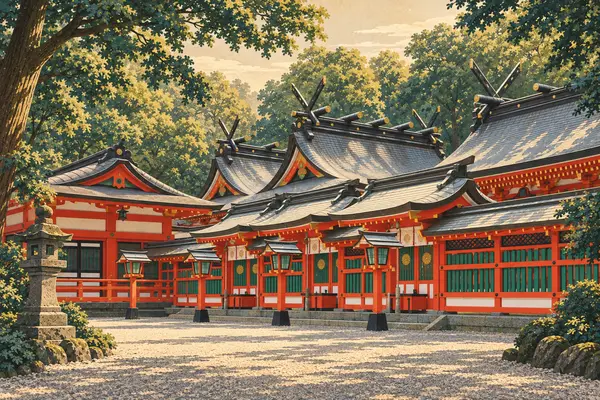
熊野速玉大社
Kumano Hayatama Taisha’s religious origin account links the Kumano deities with nearby Kamikura Mountain and their subsequent worship at the present shrine. Its history describes medieval imperial pilgrimages and the development of Kumano’s syncretic worship.
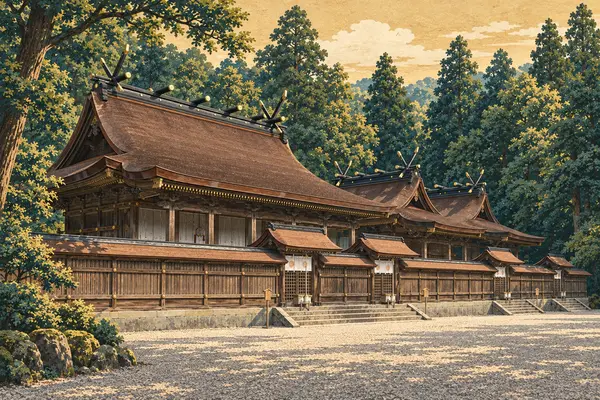
熊野本宮大社
Kumano Hongū Taisha preserves an origin tradition concerning divine presence at Ōyunohara. Its official account describes the adoption of Buddhist practices during the Nara period and the shrine’s subsequent history of combined Buddhist and Shinto worship.
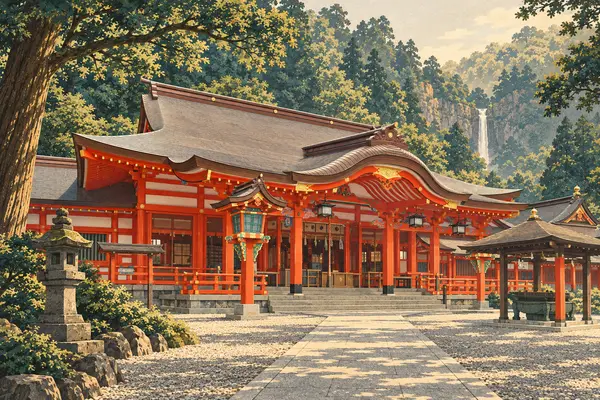
熊野那智大社
Kumano Nachi Taisha developed within the Nachi mountain pilgrimage landscape and venerates Kumano Fusumi. The religious association describes the shrine’s connection with Nachi Falls and the longstanding combined Buddhist and Shinto worship of the mountain.
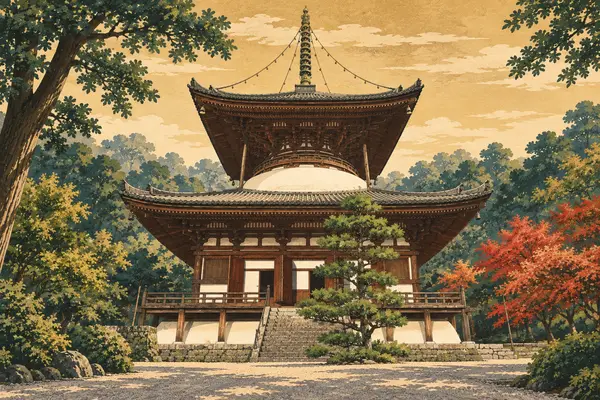
根来寺
Negoro-ji developed from Kakuban’s religious and teaching work and later became a major center of Shingon learning. Much of the complex burned during Hideyoshi’s 1585 campaign; major halls were subsequently rebuilt with Tokugawa support.
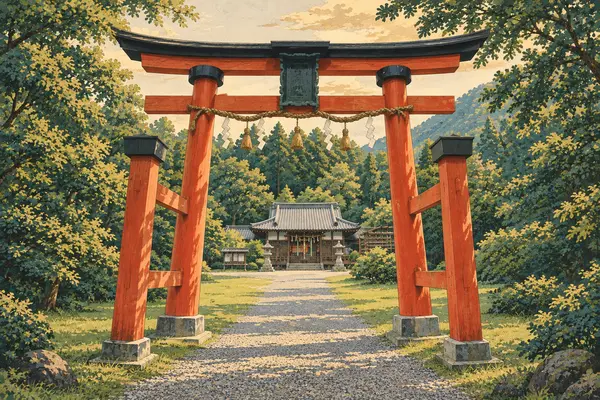
丹生官省符神社
The shrine attributes its establishment to Kūkai and stands at the entrance to the Kōyasan Chōishi-michi pilgrimage route. This foundation account is retained as shrine tradition.
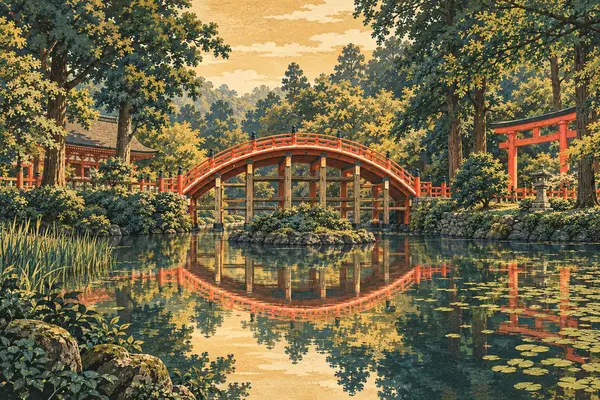
丹生都比売神社
Niutsuhime Shrine’s origin account connects its goddess with the land of Kii and the later establishment of Kōyasan. The shrine presents these early episodes as its religious tradition.
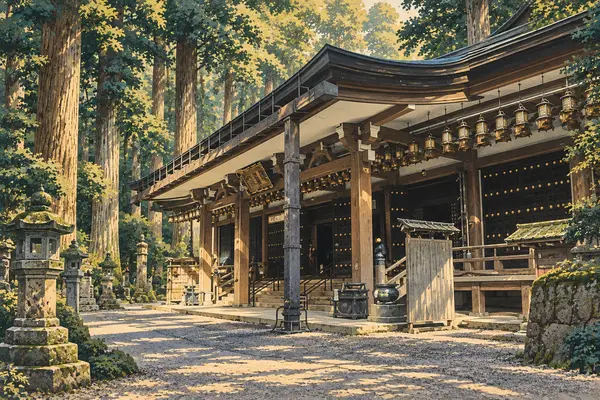
奥之院
Okunoin is Kōyasan’s Buddhist mausoleum precinct associated with Kūkai. The belief that he remains in eternal meditation here is a religious tradition. Centuries of memorial towers and graves line the approach to his mausoleum.
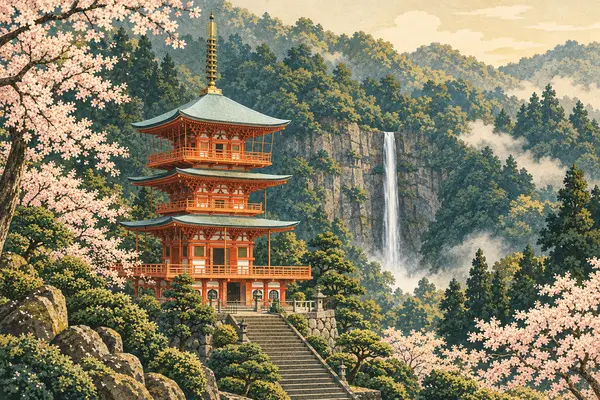
青岸渡寺
Seiganto-ji’s origin tradition concerns the monk Ragyō practicing beside Nachi Falls and finding a Kannon image. The pilgrimage association identifies it as a Tendai temple and the first stop of the Saikoku 33 pilgrimage.
No places match these filters. Try a different name, prefecture, or era.