
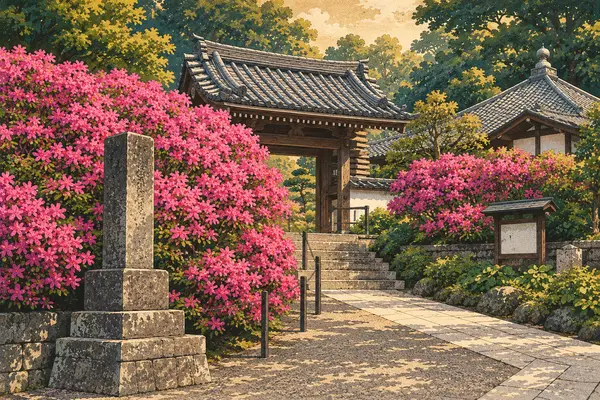
安養院
An'yō-in Temple
The association describes the late-Kamakura-period transfer of Hōjō Masako’s Chōraku-ji to this former Zendō-ji site, with Anyō-in becoming the temple’s name.
Discover the places in this prefecture, with original illustrations and links to visitor sources.
29 places
21 Temples · 8 ShrinesBrowse places by founding, rebuilding, and other events in each historical era.
安養院
The association describes the late-Kamakura-period transfer of Hōjō Masako’s Chōraku-ji to this former Zendō-ji site, with Anyō-in becoming the temple’s name.
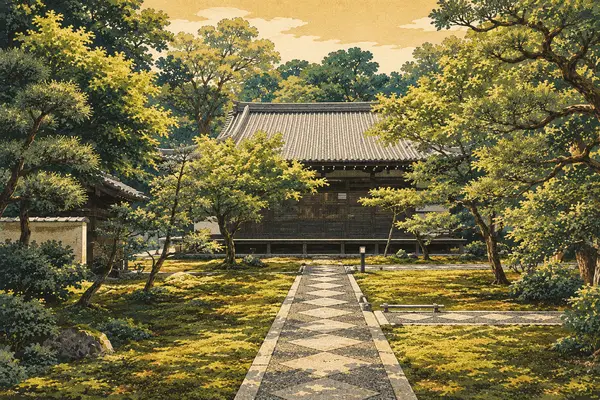
長寿寺
After Ashikaga Takauji’s death in 1358, his son Motouji built a complete temple complex here to memorialize him.
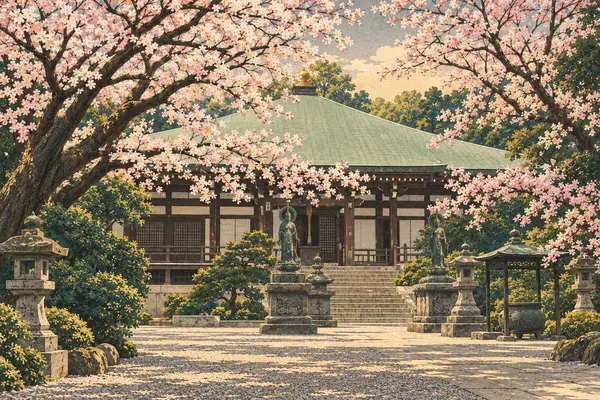
長勝寺
The association’s traditional account says Nisshō restored the former Honkoku-ji site in 1345 and named it Chōshō-ji after Ishii Nagakatsu.
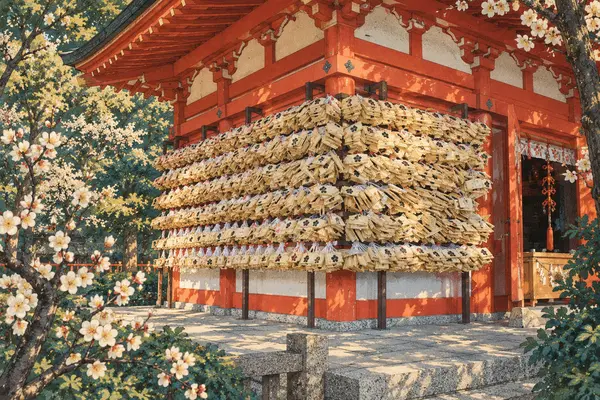
荏柄天神社
The shrine’s origin tradition dates to 1104, when an image of Tenjin was said to descend during a thunderstorm and villagers built a sanctuary for it.
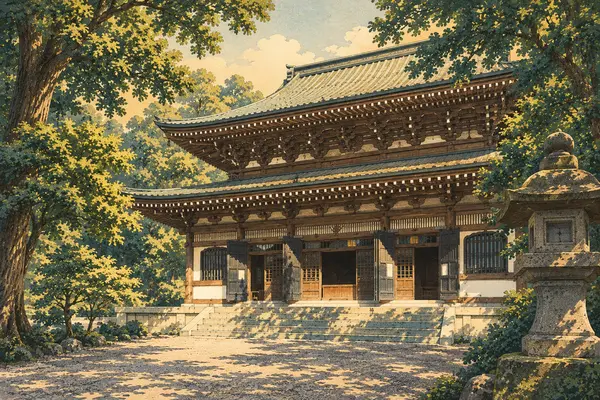
円覚寺
Hōjō Tokimune founded Engaku-ji in 1282 with Mugaku Sogen to promote Zen and commemorate those killed in the Mongol invasions, including both sides.
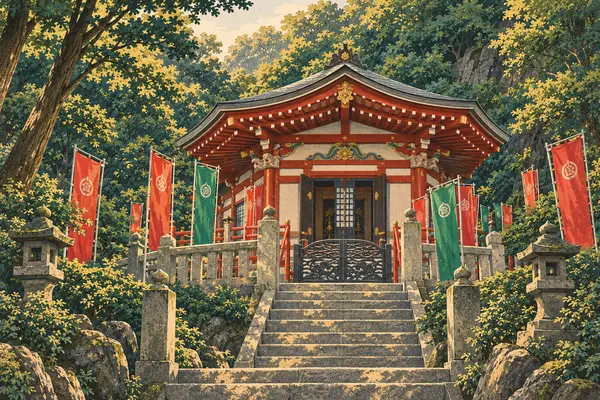
江島神社
The shrine describes Edo-period Enoshima pilgrimage as a flourishing expression of devotion to its Benzaiten images.
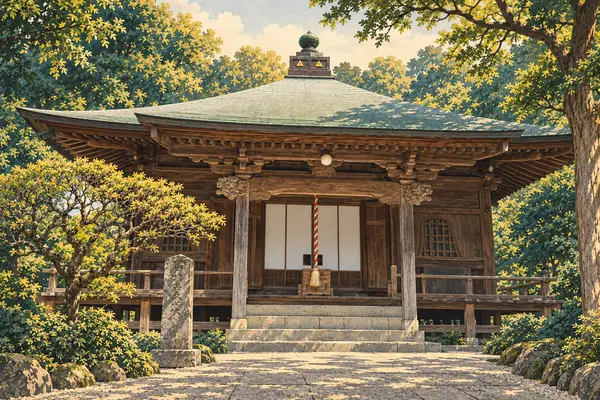
極楽寺
Hōjō Shigetoki founded Gokuraku-ji in 1259; Ninshō was later welcomed as founding abbot.
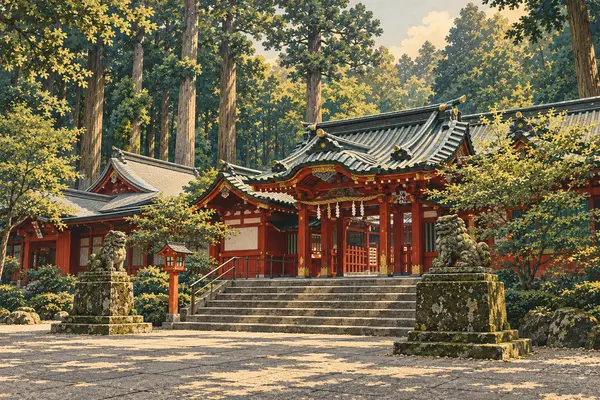
箱根神社
The shrine tradition connects its foundation at the present lakeside site in 757 with the monk Mangan receiving a divine revelation.
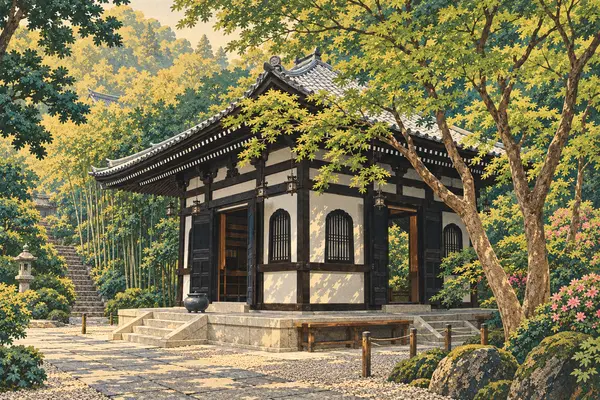
長谷寺
The temple tradition dates its foundation to 736 and links its principal eleven-headed Kannon image to a story of two statues carved from one tree.
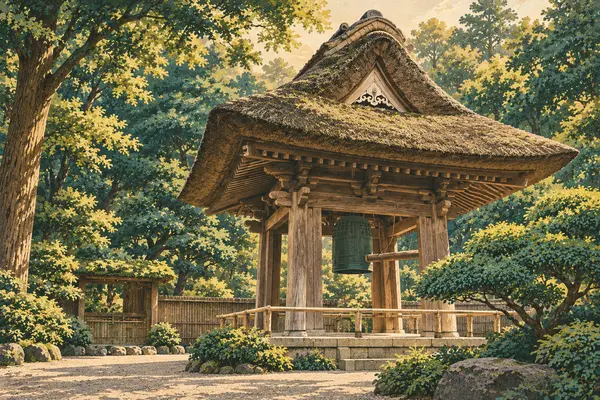
報国寺
Hōkoku-ji was founded in 1334 by Uesugi Shigekane to commemorate Ashikaga Ietoki, with Tengan Ekō as founding abbot.
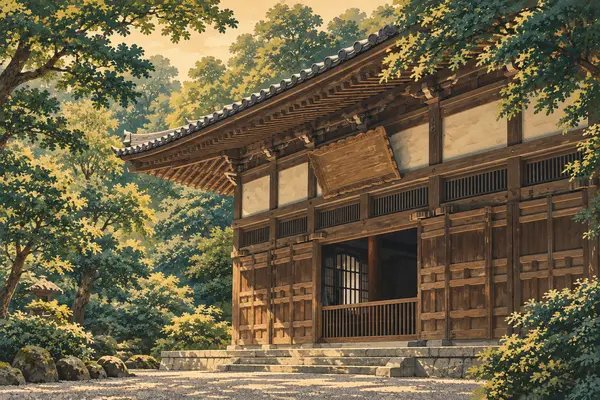
浄智寺
Jōchi-ji was founded around 1281 to memorialize Hōjō Munemasa, son of the fifth regent Hōjō Tokiyori.
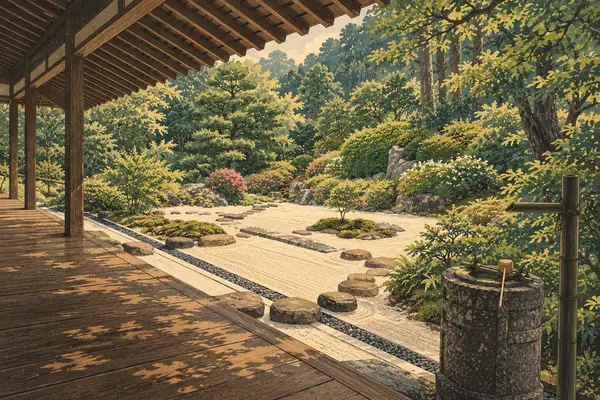
浄妙寺
Initially a Shingon temple called Gokuraku-ji, it became a Rinzai Zen temple under Geppō Ryōnen and adopted the name Jōmyō-ji around 1257–1259.
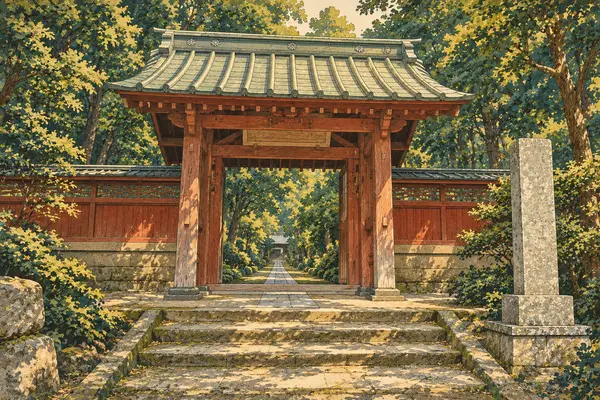
寿福寺
Hōjō Masako founded Jufuku-ji in 1200, inviting Eisai to the former residence of Minamoto no Yoshitomo.
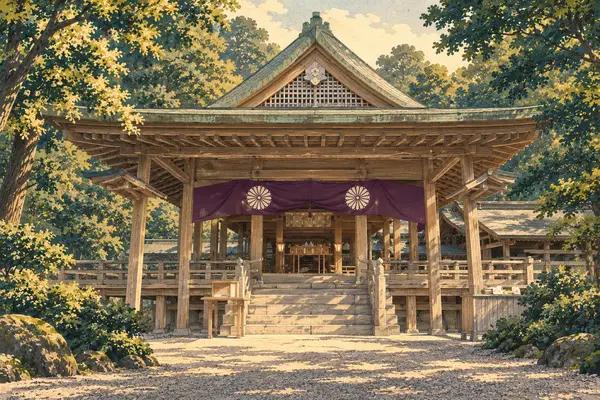
鎌倉宮
Emperor Meiji ordered the shrine’s foundation in 1869 and named it Kamakura-gū, dedicating it to Prince Morinaga.
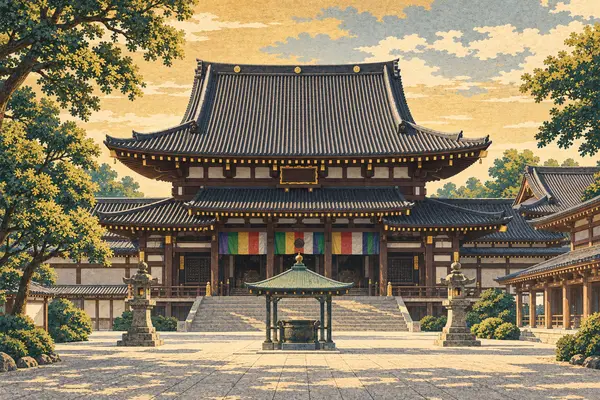
平間寺
The temple’s foundation account says Hirama Kanenori and Sonken built it in 1128 after Kanenori recovered its Kōbō Daishi image from the sea.
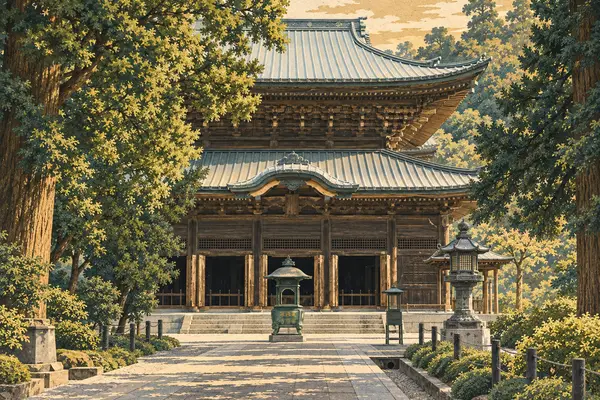
建長寺
The temple’s National Treasure bell was cast in 1255 and bears the name Kenchō Zenji.
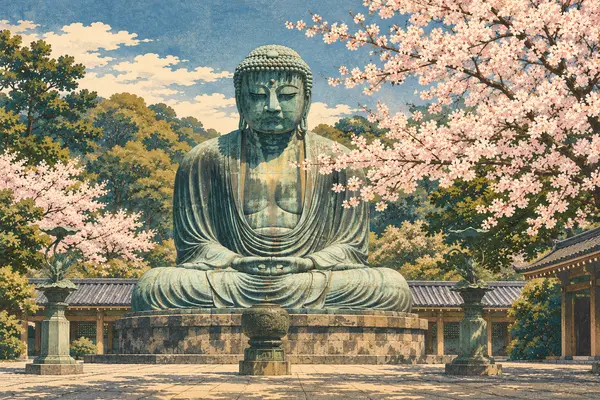
高徳院
According to the temple’s account citing Azuma Kagami, construction of the bronze Great Buddha began in 1252; its original sculptor remains unidentified.

明月院
The temple originated as Meigetsu-an in 1159 to memorialize Shudō Toshimichi. It took the name Meigetsu-in when Uesugi Norikata expanded Zenkō-ji in 1380.
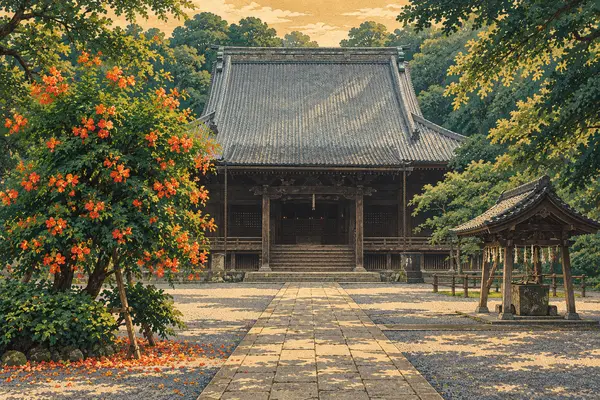
妙本寺
Tradition attributes Myōhon-ji’s foundation in 1260 to Hiki Yoshimoto, who built a memorial hall for his family and donated it to Nichiren.
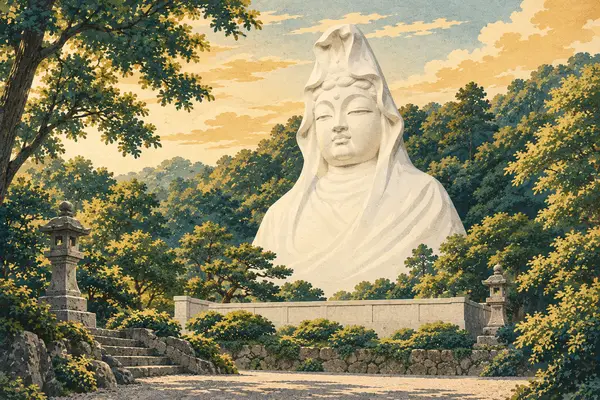
大船観音寺
Construction of the large Kannon image resumed in 1957 after a long suspension, and its completion ceremony took place in 1960.
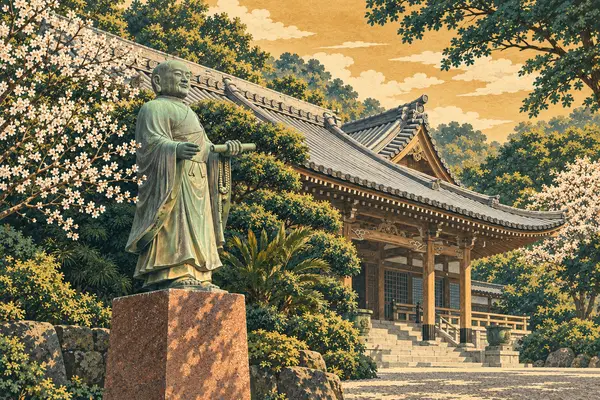
龍口寺
Fujisawa designated the temple’s main hall, gate and five-story pagoda as municipal important cultural properties on 1 October 2021.
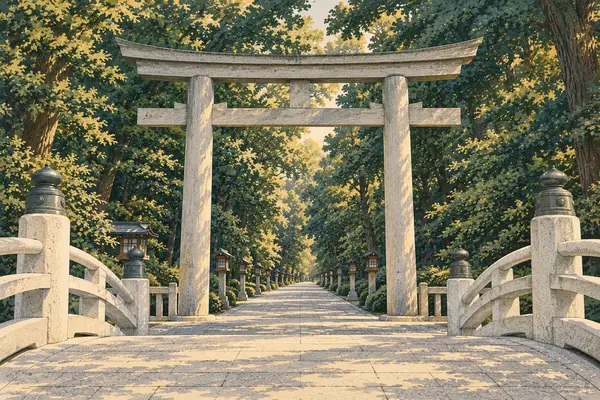
寒川神社
Kantakeyama Shin’en, the garden behind the main sanctuary, opened in August 2009.
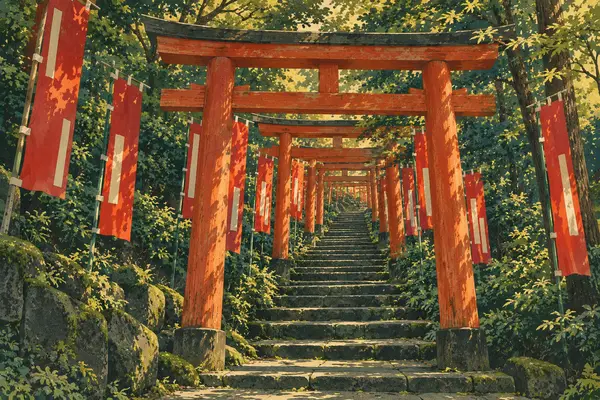
佐助稲荷神社
Previously a subsidiary shrine of Tsurugaoka Hachimangū, Sasuke Inari became an independent shrine in 1909.
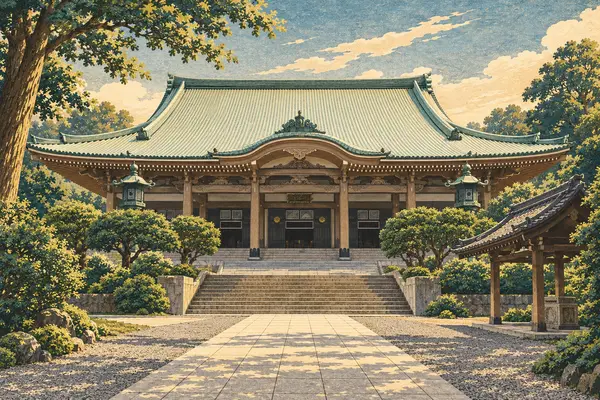
總持寺
The relocated Tsurumi temple held its major transfer ceremony on November 5, 1911, 591 years after the original Noto foundation.
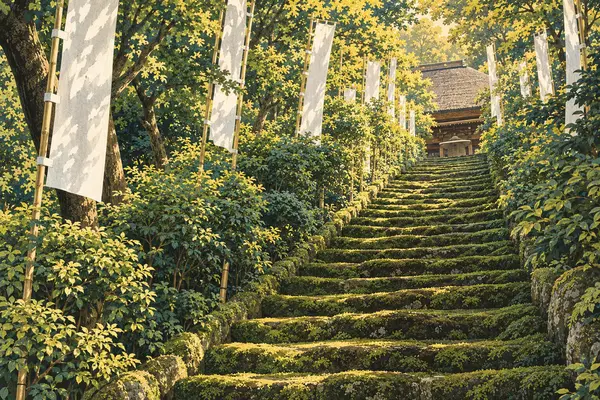
杉本寺
The temple tradition says its three Kannon images escaped a fire beneath a cedar, inspiring the name Sugimoto, meaning below the cedar.
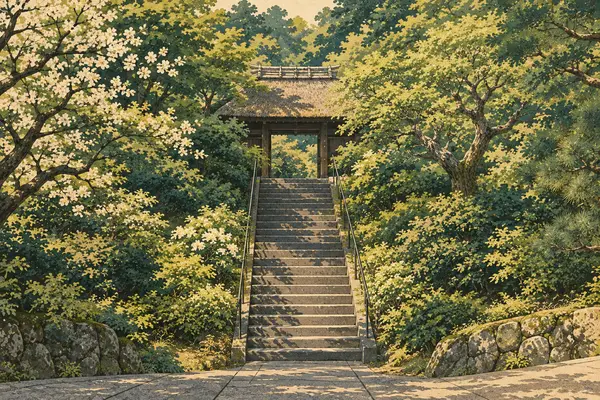
東慶寺
Tōkei-ji was founded in 1285 and became known as a refuge where women could obtain divorce.
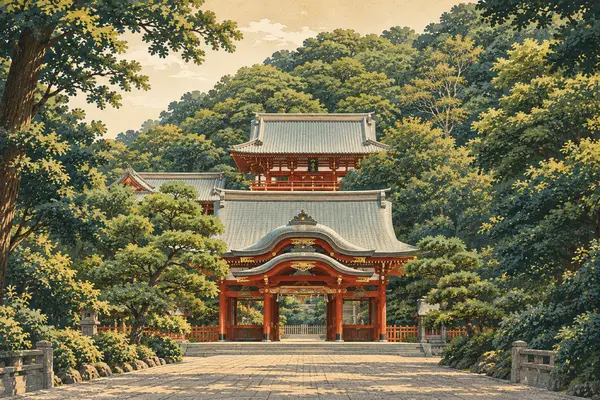
鶴岡八幡宮
Minamoto no Yoritomo moved the shrine to the present vicinity in 1180. Following a 1191 fire, he reconstructed it in the upper and lower shrine arrangement.
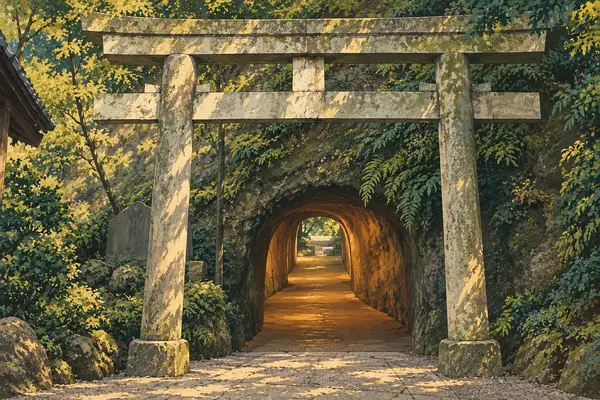
銭洗弁財天宇賀福神社
Previously a subsidiary shrine of Yasaka Shrine in Ōgigayatsu, it became independent and adopted its present name in 1970.
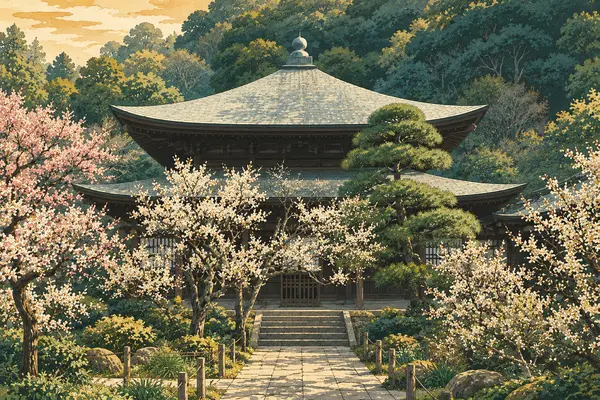
瑞泉寺
Musō Soseki founded the temple in 1327 in the scenic Momijigayatsu valley.
No places match these filters. Try a different name, prefecture, or era.