
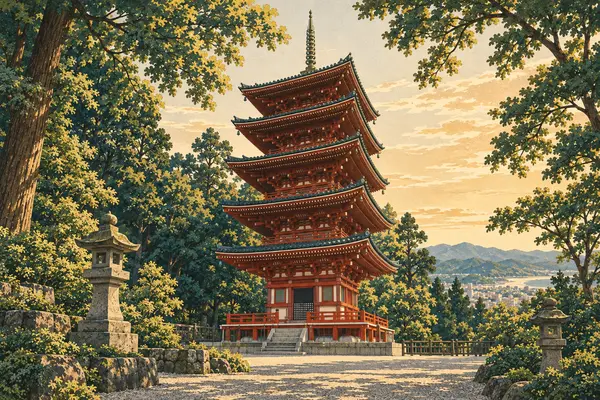
竹林寺
Chikurin-ji Temple
Chikurin-ji's foundation tradition links Gyōki to Emperor Shōmu's dream of China's Mount Wutai. The association describes the temple as a center of Buddhist learning and records later connections with the monk Musō.
Discover the places in this prefecture, with original illustrations and links to visitor sources.
8 places
6 Temples · 2 ShrinesBrowse places by founding, rebuilding, and other events in each historical era.
竹林寺
Chikurin-ji's foundation tradition links Gyōki to Emperor Shōmu's dream of China's Mount Wutai. The association describes the temple as a center of Buddhist learning and records later connections with the monk Musō.
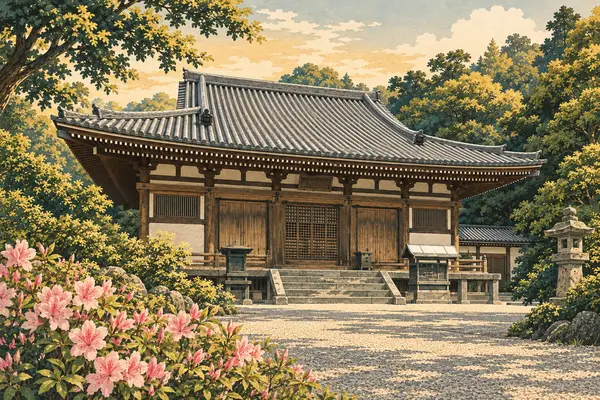
大日寺
Dainichi-ji's foundation account attributes its establishment to Gyōki and later restoration to Kūkai. The association distinguishes the Dainichi principal image from a separate Yakushi tradition connected with Kūkai's visit.
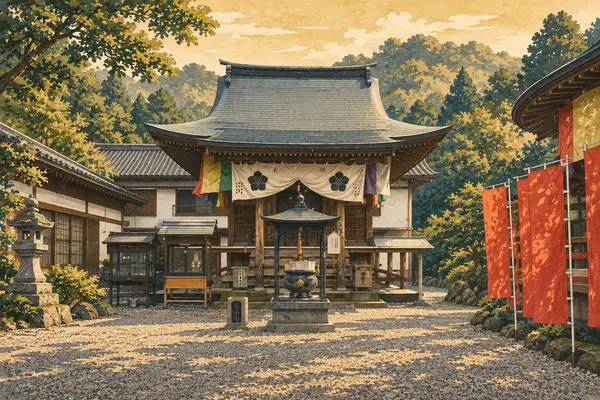
岩本寺
Iwamoto-ji's traditional predecessor was Fukuenman-ji, associated with Gyōki and the Niida shrines. The association describes the later separation of Buddhism and Shinto and the consolidation of five principal images at Iwamoto-ji.
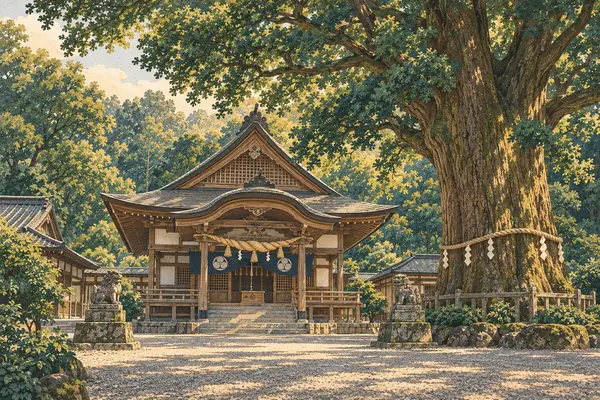
小村神社
Omura Shrine preserves an ancient decorated sword as its sacred object. The prefectural tourism authority records the sword’s 1958 National Treasure designation; this material history is distinguished from shrine origin traditions.
国分寺
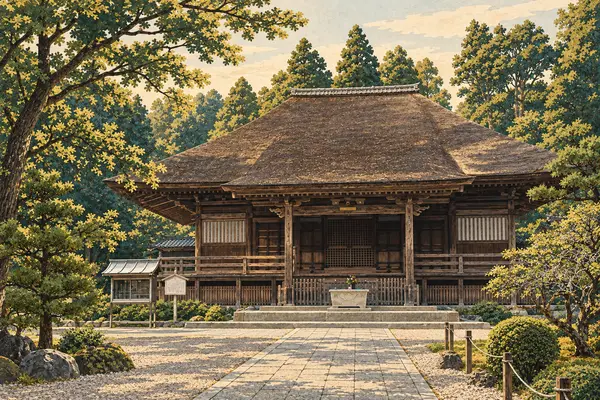
Tosa Kokubun-ji belongs to the provincial-temple tradition associated with Emperor Shōmu. The association attributes its opening to Gyōki in 741 and describes its place in Tosa's early religious and administrative landscape.
土佐神社
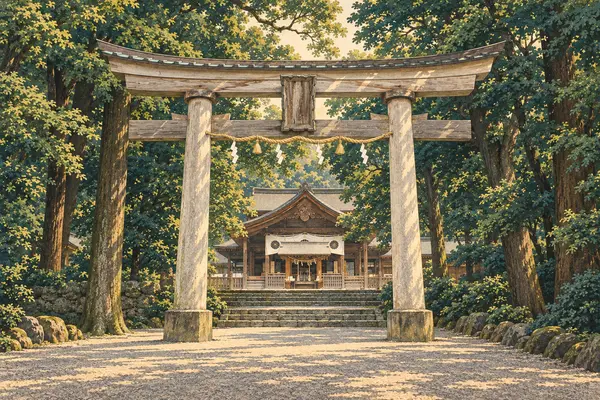
Tosa Shrine has long served as Tosa’s principal shrine. The prefectural tourism guide attributes the surviving shrine buildings to Ch ōsokabe Motochika’s reconstruction and identifies their distinctive dragonfly-shaped architectural arrangement.
禅師峰寺
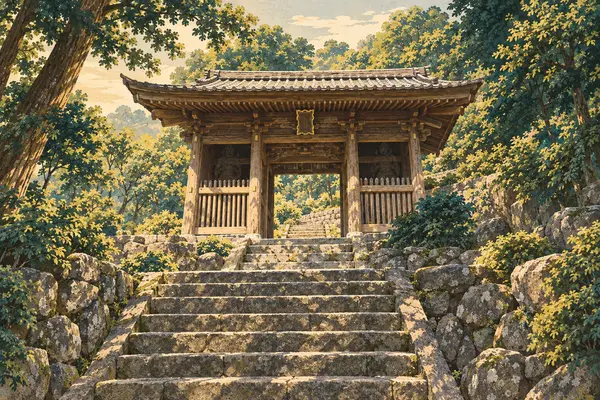
Zenjibu-ji's origin account concerns Gyōki's prayers for safe sea travel and later practice by Kūkai. Its hilltop location above Tosa Bay remains connected with worship for protection at sea.
善楽寺
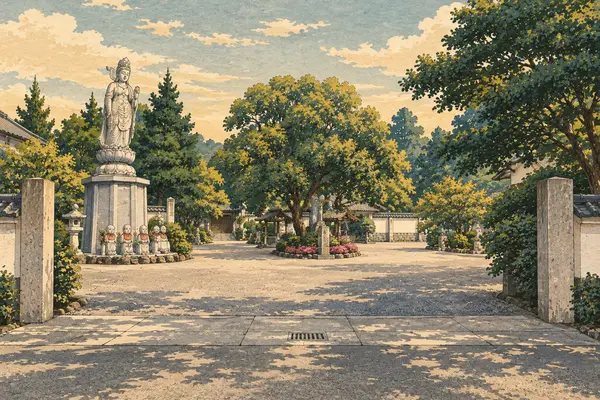
Zenraku-ji's founding account links it to Kūkai and the neighboring Tosa shrine. The association records its restoration in 1929 after the separation of Buddhism and Shinto and the resolution of pilgrimage status in 1994.
No places match these filters. Try a different name, prefecture, or era.