
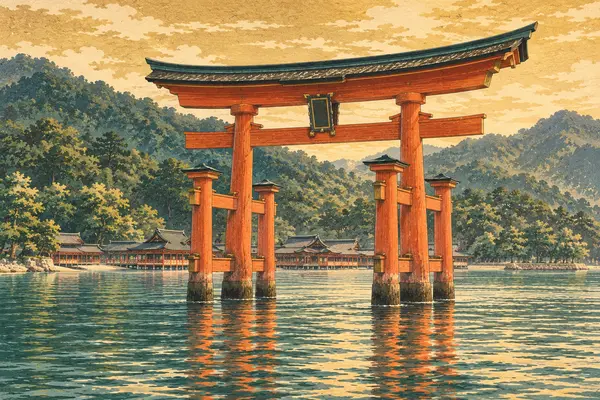
厳島神社
Itsukushima Shrine
Taira no Kiyomori rebuilt the shrine in 1168 incorporating aristocratic residential architecture; the shrine became a UNESCO World Heritage property in 1996.
Buddhist temples and Shinto shrines, from Hokkaido to Okinawa.
233 places
125 Temples · 108 ShrinesBrowse places by founding, rebuilding, and other events in each historical era.
厳島神社
Taira no Kiyomori rebuilt the shrine in 1168 incorporating aristocratic residential architecture; the shrine became a UNESCO World Heritage property in 1996.
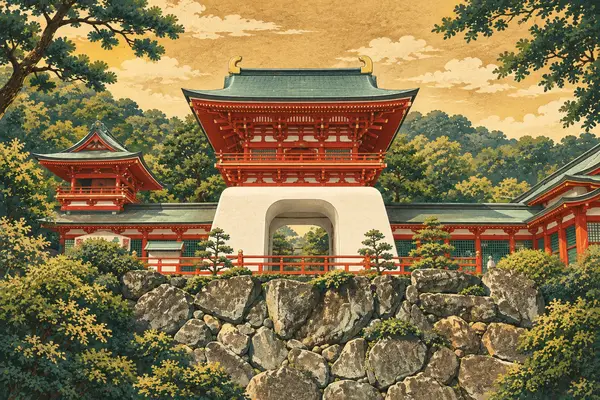
赤間神宮
After the Meiji separation of Buddhism and Shinto, Amida-ji was abolished and Akama-gū established in 1875. It was renamed Akama Jingū in 1940.
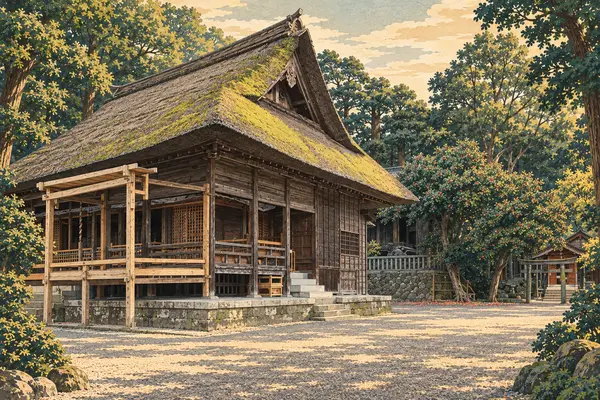
天津神社
The shrine tradition places its foundation in Emperor Keikō’s reign. The precinct also contains Nunakawa Shrine.
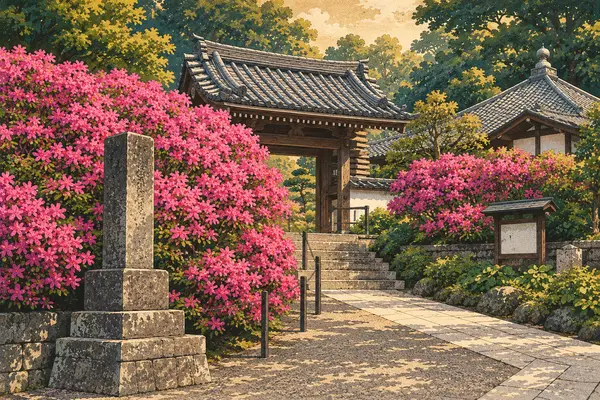
安養院
The association describes the late-Kamakura-period transfer of Hōjō Masako’s Chōraku-ji to this former Zendō-ji site, with Anyō-in becoming the temple’s name.
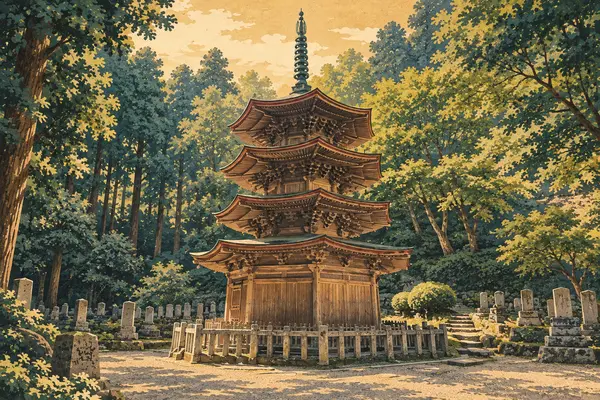
安楽寺
The temple cites Daikaku’s recorded teachings as evidence that Anrakuji was already a substantial Zen training community in the mid-Kamakura period.
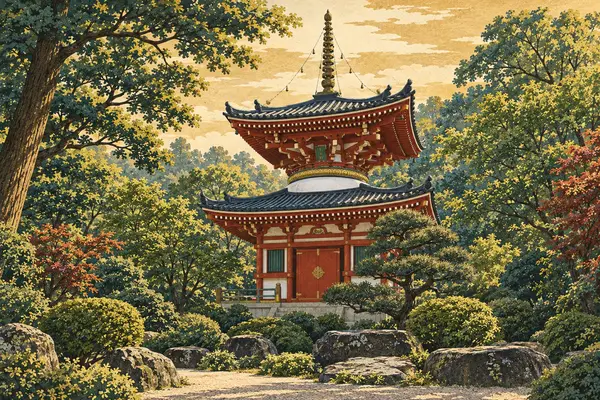
安楽寺
Anraku-ji became one of Awa's roadside lodging temples under Hachisuka Iemasa. The association cites a surviving 1598 document concerning that role; the temple's identity is also closely connected with its hot springs.
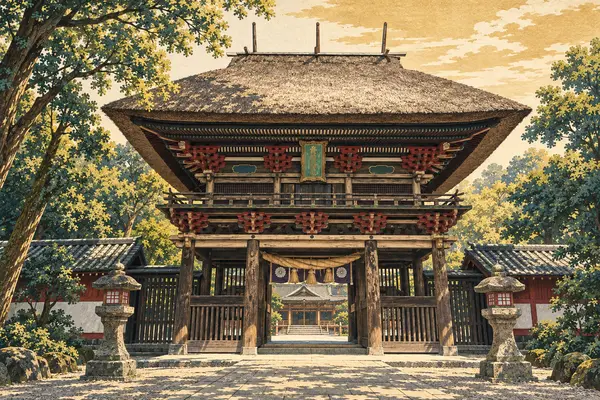
青井阿蘇神社
The linked sanctuary buildings were constructed together between 1610 and 1613. They were designated National Treasures on 9 June 2008.
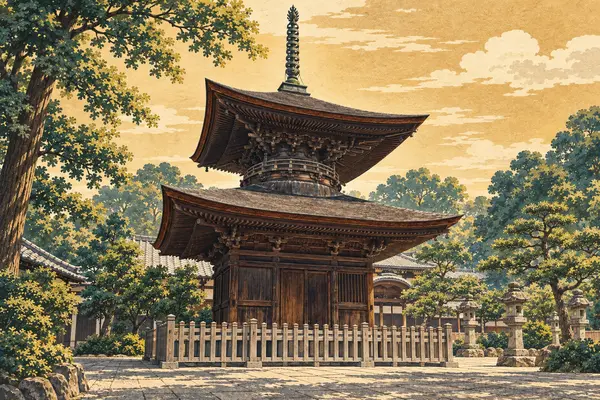
荒子観音
Temple tradition places its foundation in the Nara period.
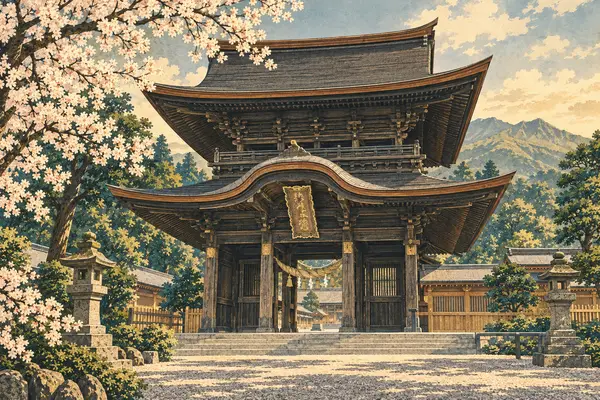
阿蘇神社
The shrine buildings were rebuilt with Kumamoto domain support between 1835 and 1850. Recovery work after the 2016 earthquake concluded in December 2023.
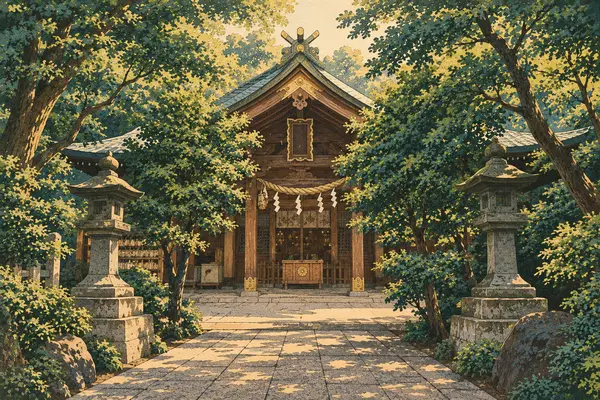
愛宕神社
Tokugawa Ieyasu ordered this fire-protection shrine established in 1603; the present sanctuary buildings were rebuilt in September 1958.
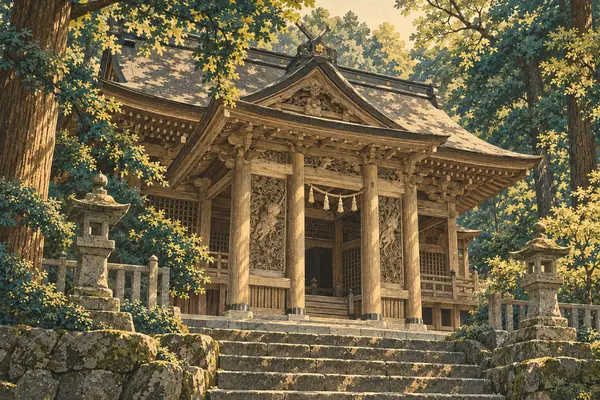
愛宕神社
The city account connects Atago Shrine’s origins with En no Ozunu and Taichō during the early eighth century.
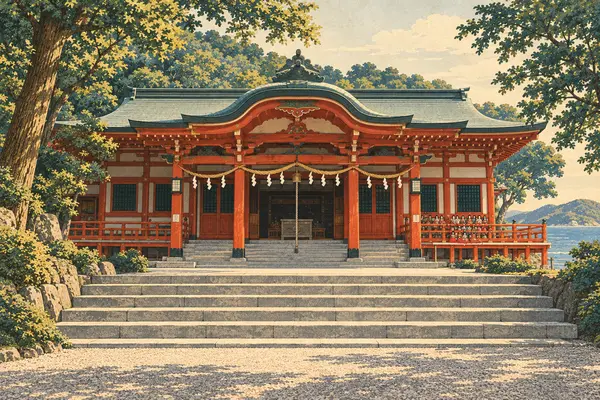
淡嶋神社
Awashima Shrine preserves a tradition connecting its origins on Tomogashima with Empress Jing ū and later relocation to Kada. The city’s history also records doll offerings and other connections with the Kii Tokugawa family.
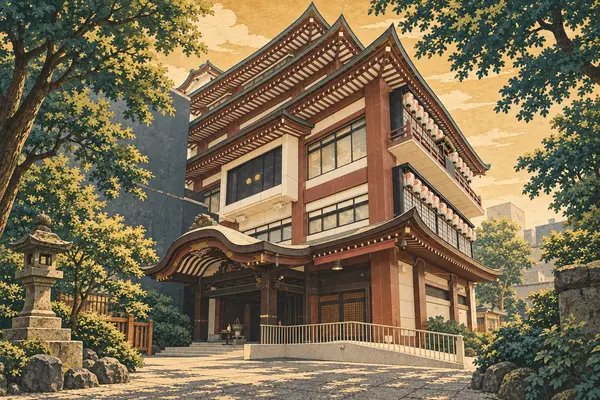
萬松寺
Oda Nobuhide established Banshoji as the Oda family’s memorial temple.
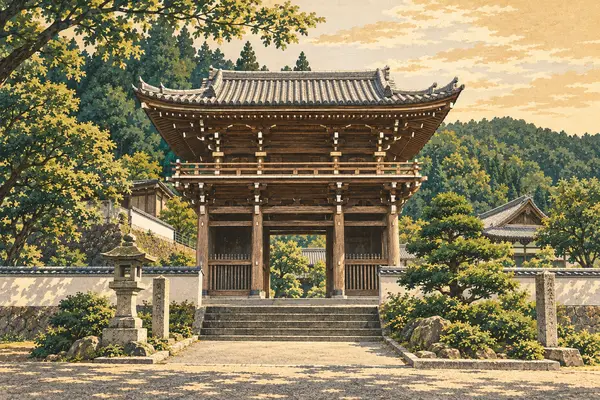
佛木寺
Butsumoku-ji preserves a foundation legend involving Kūkai, a cow and a luminous jewel. Its animal-memorial tradition developed from prayers for working livestock and now also includes other animals and pets.
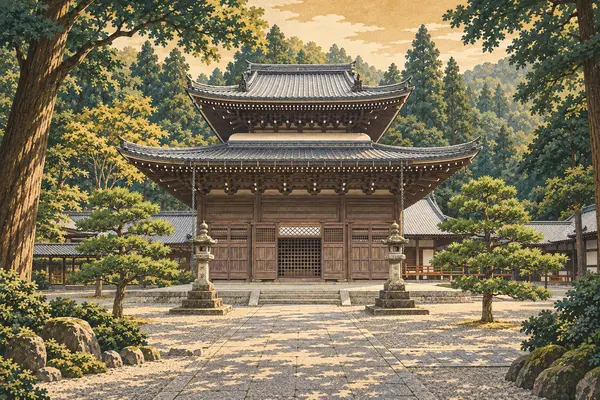
佛通寺
Kobayakawa Haruhira invited Guchū Shūkyū to found the temple in 1397. In 1905 it became independent from Tenryū-ji as the Rinzai Buttsū-ji branch.
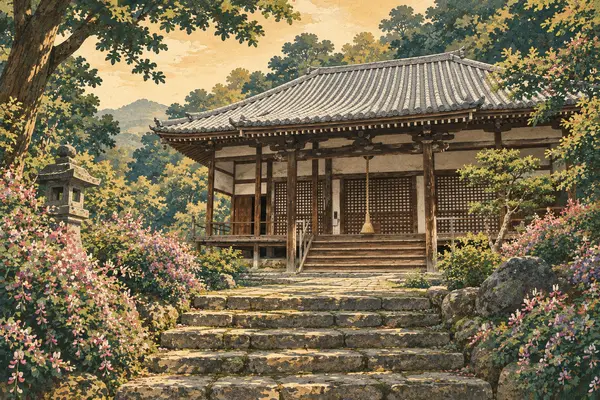
白毫寺
Eison revived Byakugō-ji during the Kamakura period. Its earlier association with Prince Shiki’s villa is presented as a foundation tradition.
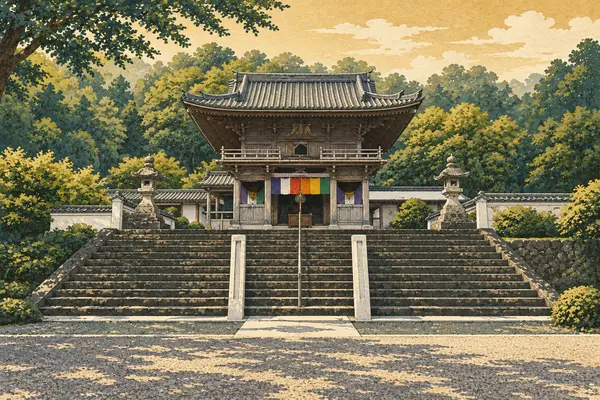
平等寺
Byōdō-ji's religious origin account describes Kūkai meditating here in 814 and making a vow connected with Yakushi Nyorai. The association identifies Yakushi as its principal deity and the site as pilgrimage temple 22.
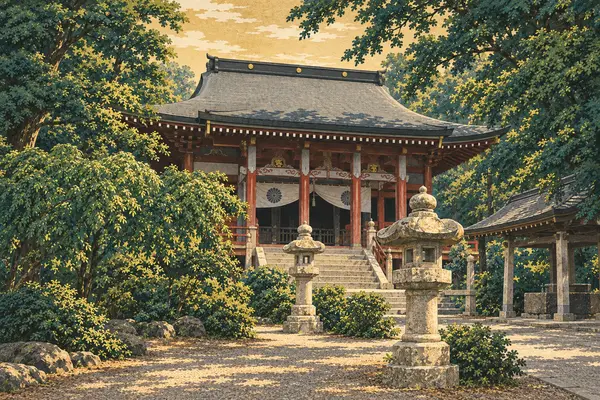
千葉寺
The pilgrimage association attributes Sen’yō-ji’s foundation to Gyōki in 709.
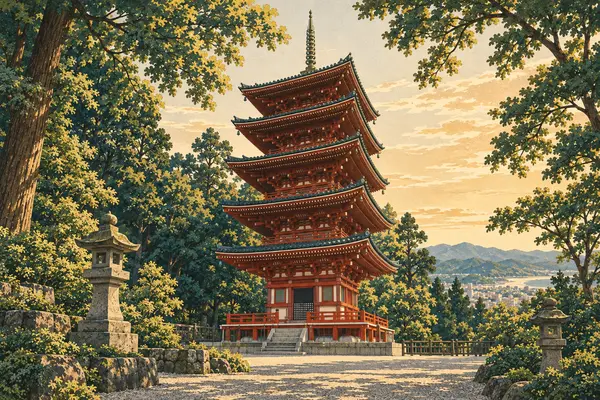
竹林寺
Chikurin-ji's foundation tradition links Gyōki to Emperor Shōmu's dream of China's Mount Wutai. The association describes the temple as a center of Buddhist learning and records later connections with the monk Musō.
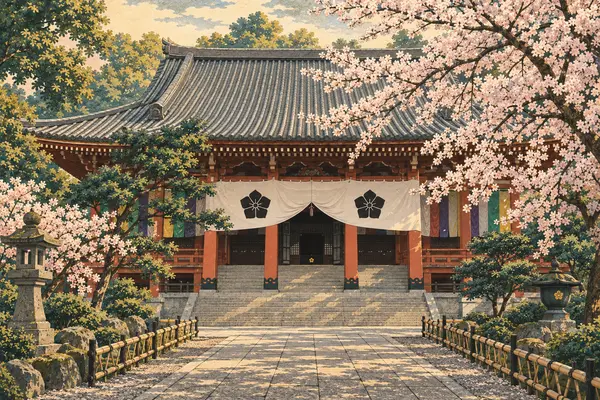
智積院
After the original Chishakuin at Negoroji burned in 1585, Genyu secured land and buildings from Tokugawa Ieyasu to restore it in Kyoto.
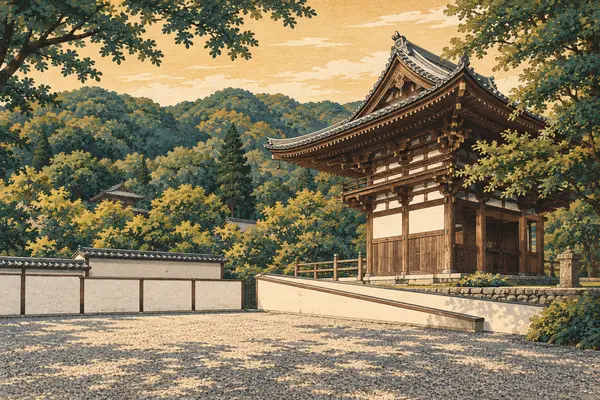
長保寺
Chōhō-ji attributes its establishment in 1000 to imperial patronage and the monk Shōkū. The temple distinguishes this foundation tradition from its surviving medieval main hall, pagoda and gate and its later Kii Tokugawa burial grounds.
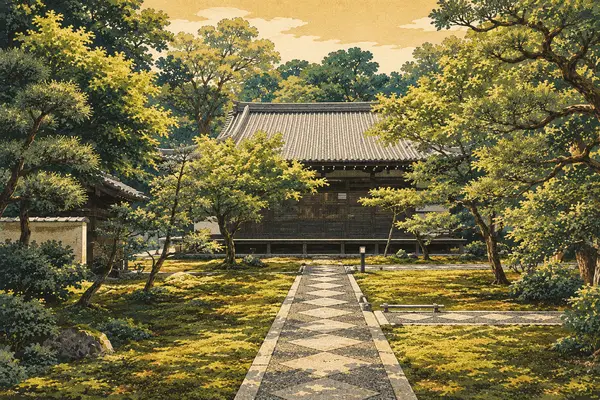
長寿寺
After Ashikaga Takauji’s death in 1358, his son Motouji built a complete temple complex here to memorialize him.
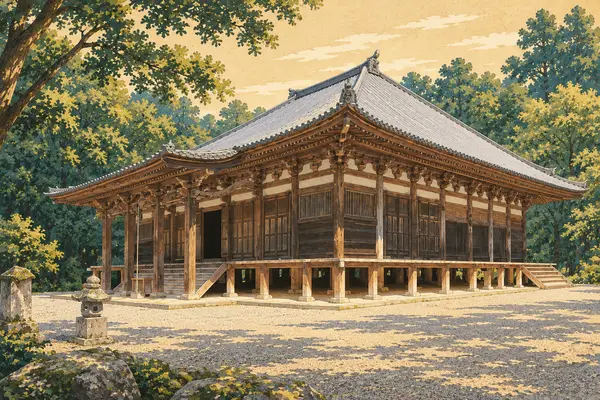
朝光寺
Local temple tradition credits Hōdō Sennin with founding Chōkō-ji around 651.
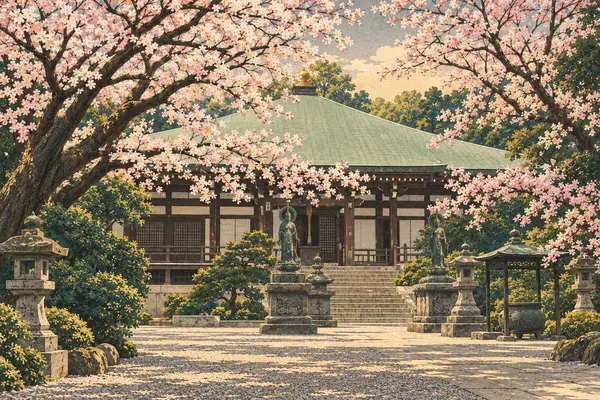
長勝寺
The association’s traditional account says Nisshō restored the former Honkoku-ji site in 1345 and named it Chōshō-ji after Ishii Nagakatsu.
大福寺
The Kannon hall was rebuilt in 1925 after the Great Kantō Earthquake and restored again in 2016.
大慈寺
Kangan, a senior disciple of Dōgen, founded the temple in 1278. A Santōka memorial stone was erected in 1952 by people commemorating the poet.
大興善寺
The temple’s origin account credits Gyoki with founding Daikozenji in 717.
大日寺
The association attributes Dainichi-ji's founding to Kūkai and describes repeated decline and rebuilding. Its principal deity is Dainichi Nyorai, and it is the fourth temple of the Shikoku pilgrimage.
大日寺
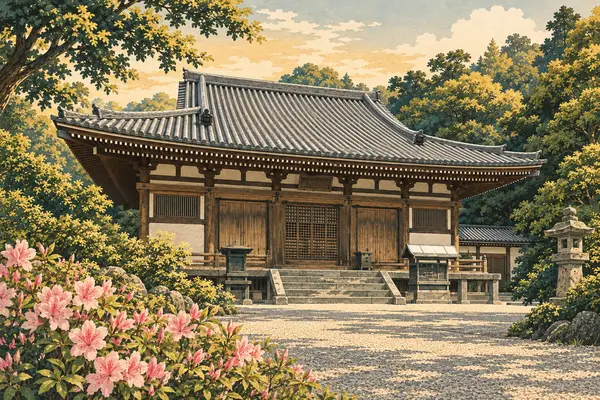
Dainichi-ji's foundation account attributes its establishment to Gyōki and later restoration to Kūkai. The association distinguishes the Dainichi principal image from a separate Yakushi tradition connected with Kūkai's visit.
大山寺
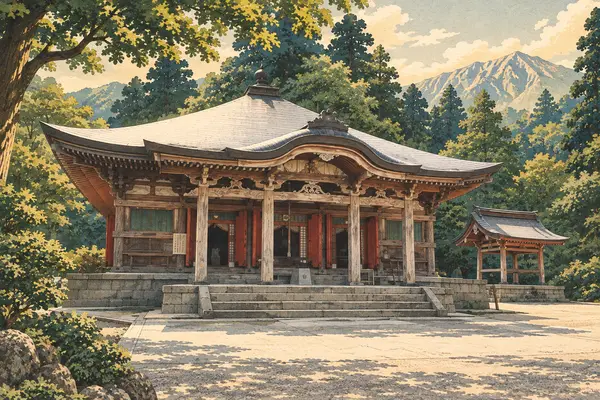
Daisen-ji became a major mountain Buddhist center from the Heian period onward. The prefectural guide describes its decline following the Meiji separation of Buddhism and Shinto and the rebuilding of its main hall in 1951 after the 1928 fire.
大聖院
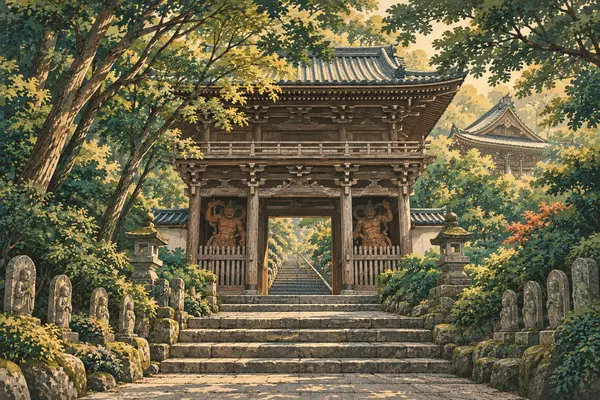
The temple tradition traces its foundation to Kūkai’s practice on Mount Misen in 806. The temple later served as Itsukushima Shrine’s Buddhist administrator.
大徳寺
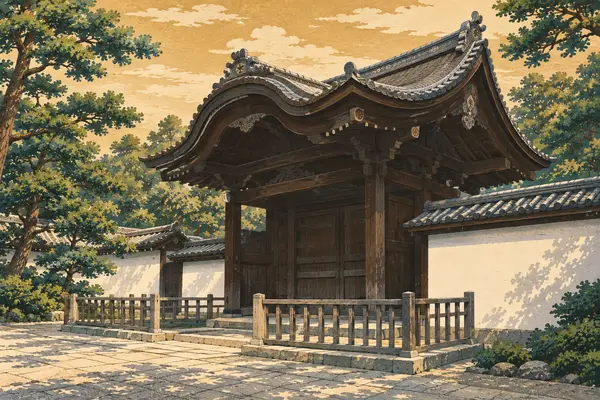
Ikkyu revived Daitokuji after much of its complex was destroyed during the Onin War.
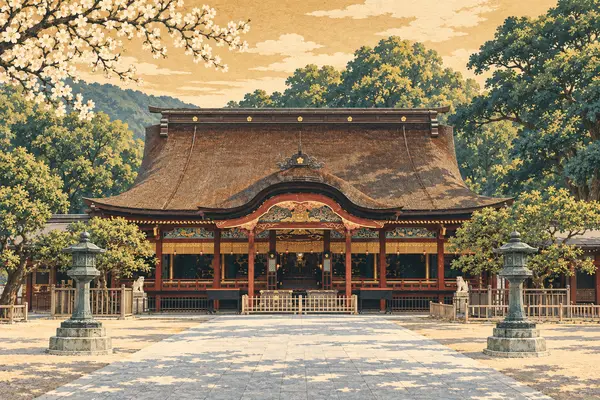
太宰府天満宮
Kobayakawa Takakage sponsored construction of the present main sanctuary in 1591.
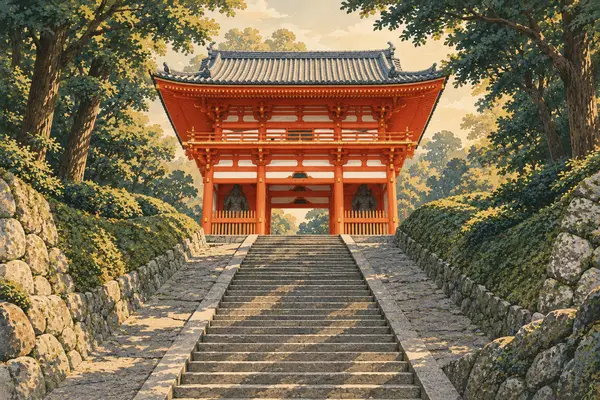
道成寺
Dōjō-ji’s chronology presents its 701 foundation under Emperor Monmu as a traditional account, connected with Fujiwara Miyako. Its subsequent history includes the Anchin and Kiyohime legend and changes in Buddhist affiliation.
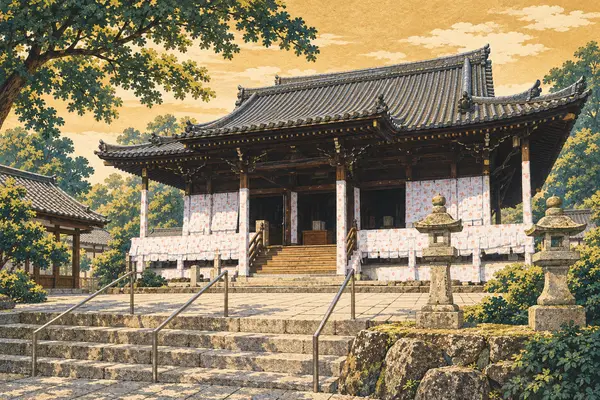
家原寺
Temple tradition identifies Ebara-ji as Gyōki’s birthplace and his first temple.
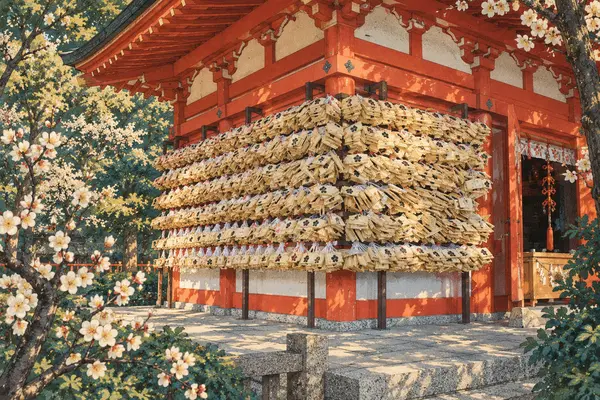
荏柄天神社
The shrine’s origin tradition dates to 1104, when an image of Tenjin was said to descend during a thunderstorm and villagers built a sanctuary for it.
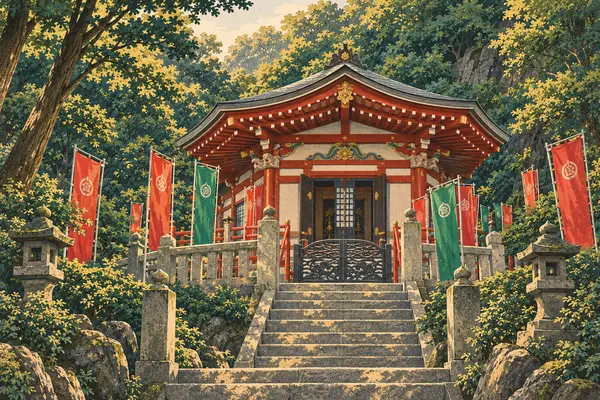
江島神社
The shrine describes Edo-period Enoshima pilgrimage as a flourishing expression of devotion to its Benzaiten images.
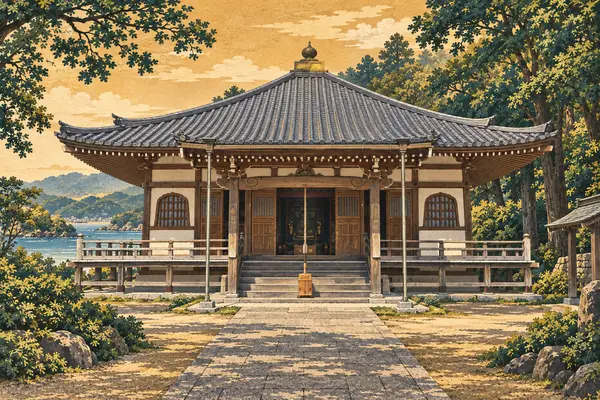
補陀洛山寺
Fudarakusan-ji is a branch temple of Seiganto-ji. Its history records monks departing from the coast to seek Kannon’s paradise, destruction by an 1808 typhoon, and reconstruction of the present main hall in 1990.
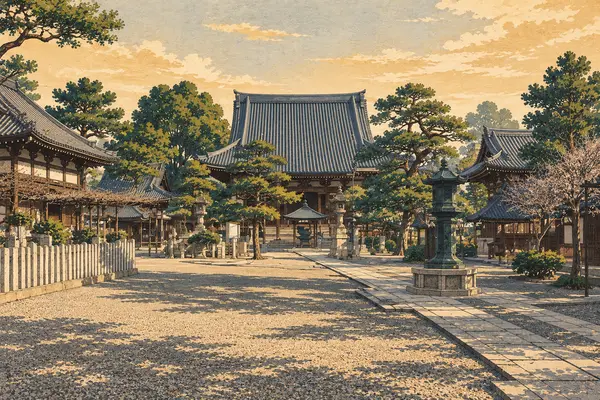
葛井寺
Archaeological finds indicate a large earlier layout with a main hall, lecture hall and east and west pagodas.
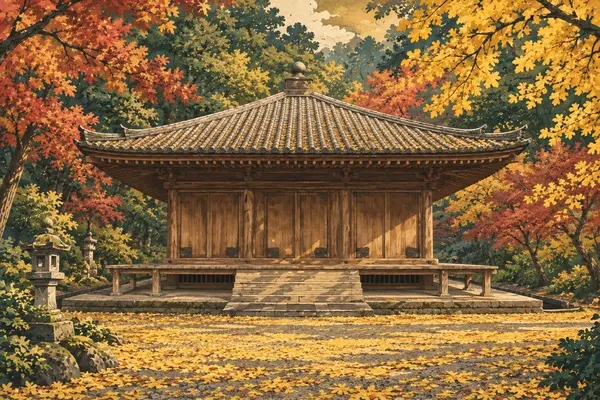
富貴寺
The temple was founded in the Heian period as the family temple of Usa Jingū’s chief priests. Its Amida hall is the oldest surviving wooden building in Kyūshū and a National Treasure.
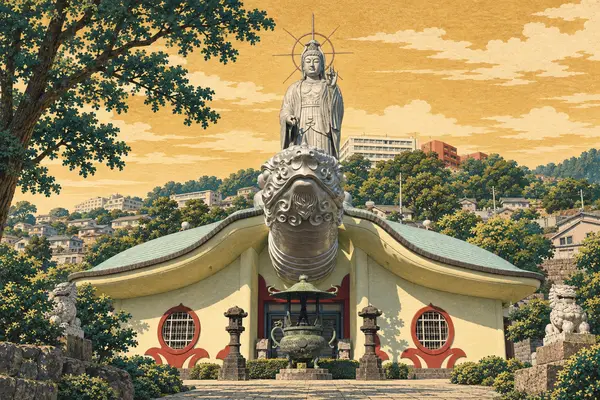
福済寺
Fukusaiji’s former buildings were destroyed by the atomic bombing; its later Nagasaki Kannon memorial commemorates victims of the bombing and war.
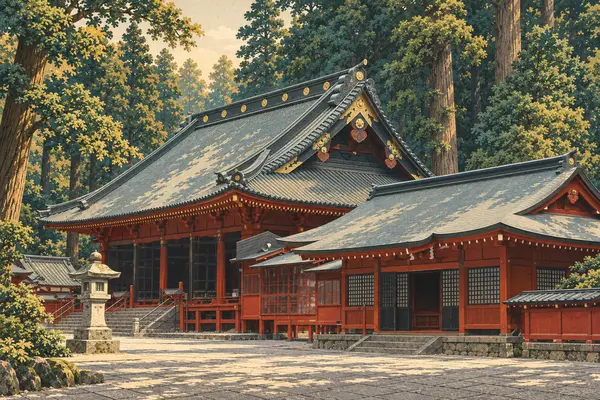
日光二荒山神社
The shrine is a longstanding center of Nikkō mountain worship, with Mount Nantai regarded as its sacred mountain.
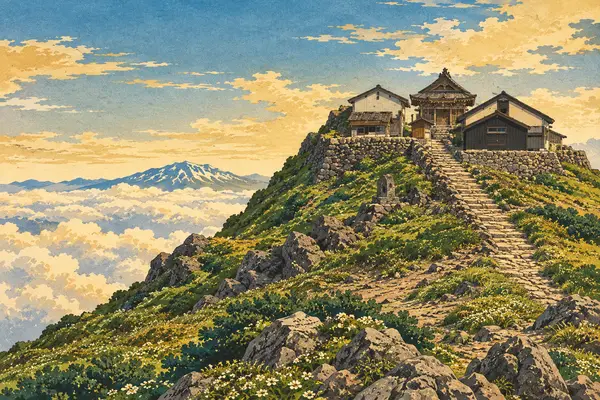
月山神社
Matsuo Bashō climbed Mount Gassan and composed a verse about its moon and cloud peaks.
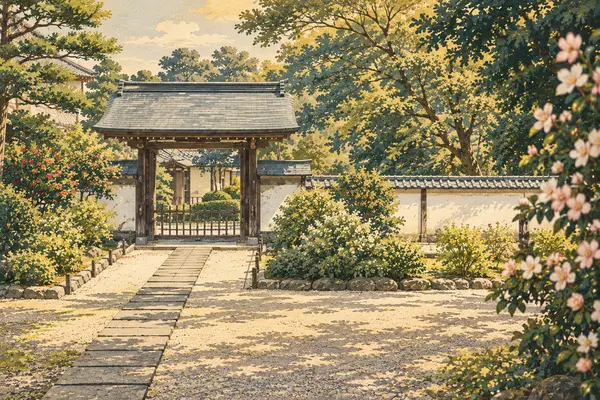
月照寺
The temple serves as the mausoleum of successive Matsue lords. Its Edo-period main hall was dismantled after the Meiji Restoration and never rebuilt at the former scale.
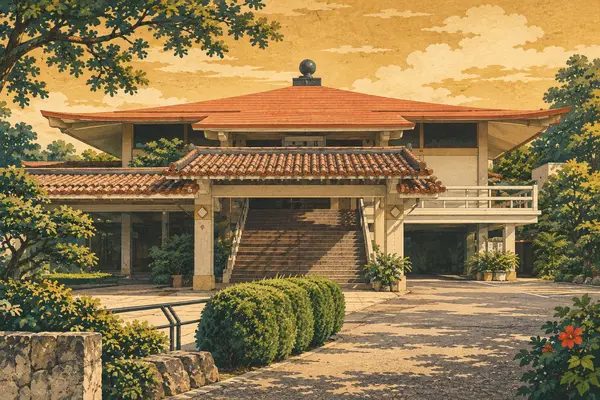
護国寺
The temple was established in 1368 for Shingon Buddhist teaching during King Satto’s reign. In the nineteenth century, missionary Bernard Bettelheim stayed there for eight years.
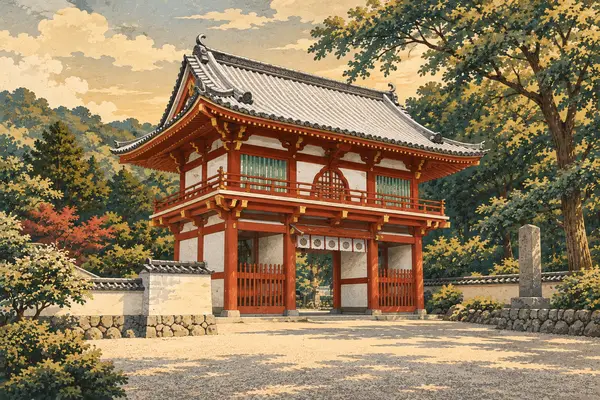
極楽寺
Gokuraku-ji's origin account links the temple to Gyōki and Kūkai's worship of Amida. The association records that the main hall was rebuilt in 1659 after earlier wartime destruction.
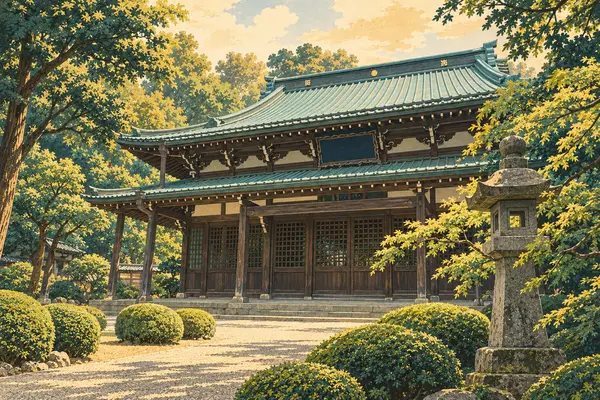
豪徳寺
The temple’s Buddha hall was built in 1677 and its bell cast by Fujiwara Masatsugu in 1679.
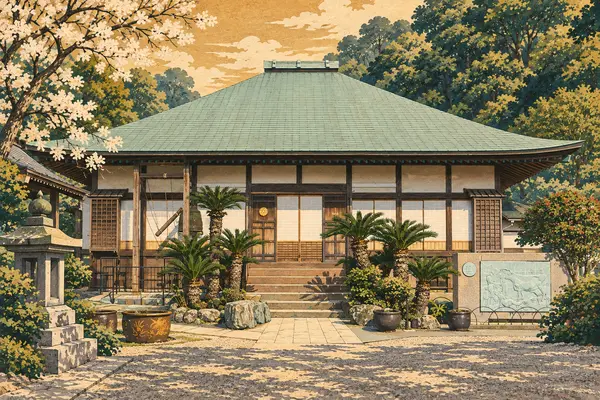
玉泉寺
Gyokusenji housed Japan’s first United States consulate.
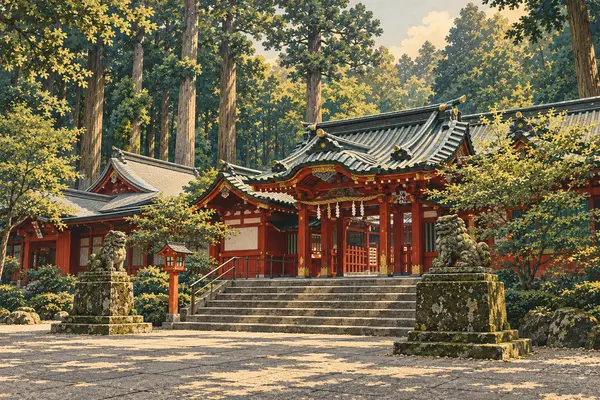
箱根神社
The shrine tradition connects its foundation at the present lakeside site in 757 with the monk Mangan receiving a divine revelation.
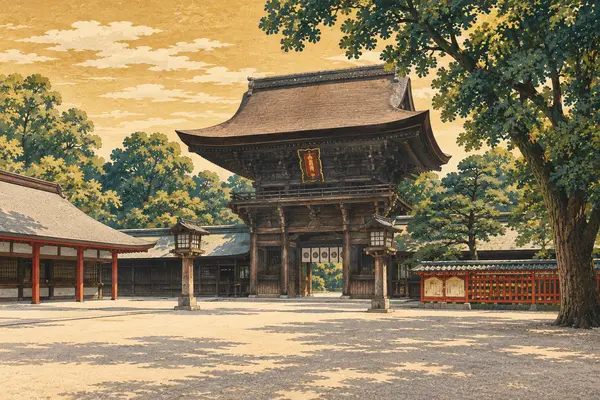
筥崎宮
The shrine acknowledges competing foundation accounts. Its cited old records place construction in 921 and relocation from Daibu Shrine in 923.
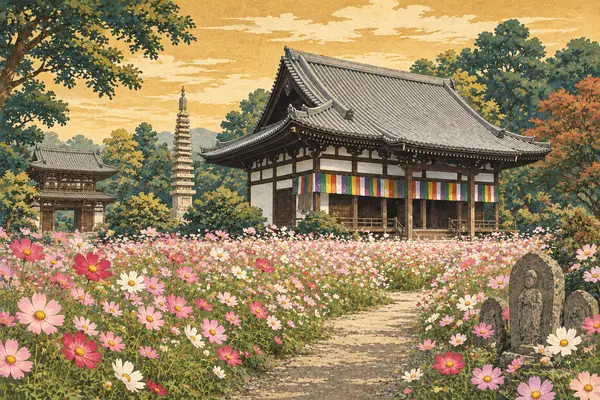
般若寺
Hannya-ji was rebuilt during the Kamakura period after earlier destruction. Its surviving National Treasure gate belongs to that period.
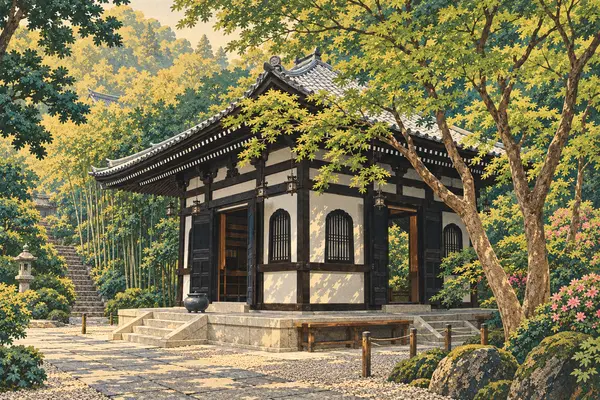
長谷寺
The temple tradition dates its foundation to 736 and links its principal eleven-headed Kannon image to a story of two statues carved from one tree.
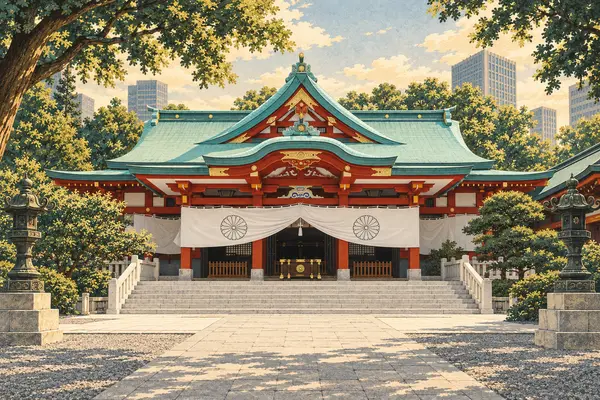
日枝神社
After destruction in 1945, the shrine carried out a major reconstruction, holding the new main-sanctuary enshrinement ceremony in June 1958.
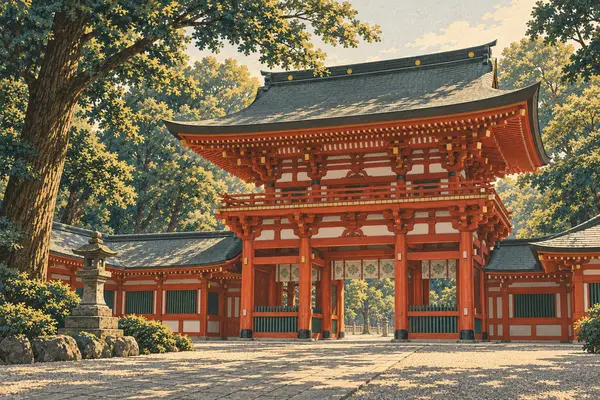
氷川神社
The present precinct and major halls were created in the large Shōwa-period rebuilding project.
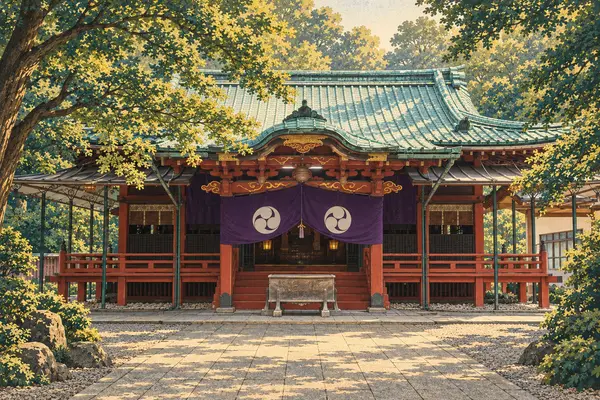
氷川神社 (赤坂)
Tokugawa Yoshimune commissioned the present buildings in 1729; the shrine transferred here from Hitotsugi in April 1730.
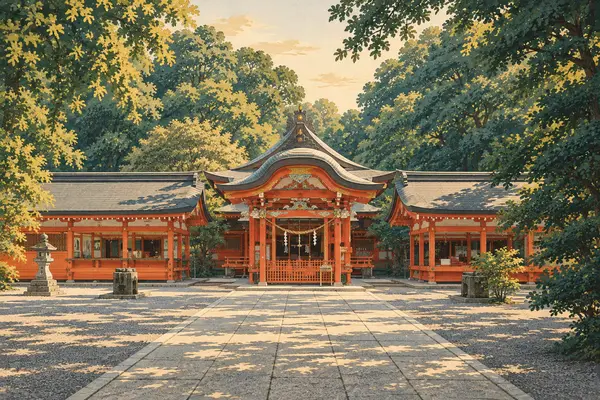
枚聞神社
The current main sanctuary was donated by Shimazu Yoshihiro in 1610 and remodeled by Shimazu Shigehide in 1787.
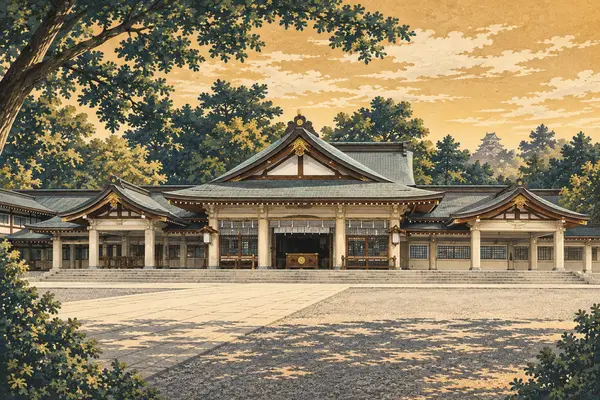
広島護国神社
The atomic bombing destroyed the shrine in 1945. It was reconstructed at Hiroshima Castle in 1956; the current main buildings date to a further rebuilding completed in 1993.
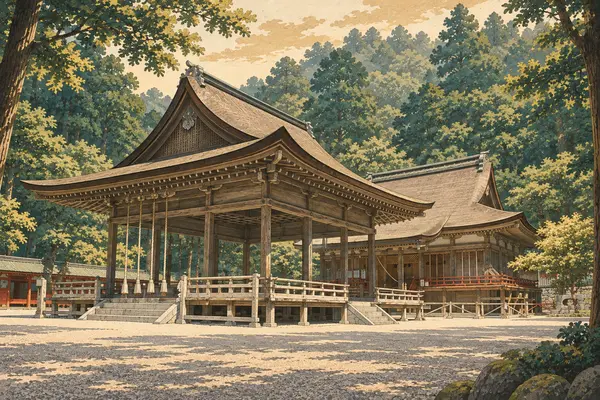
日吉大社
Saicho’s adoption of Hiyoshi’s deity as a Tendai protector helped spread Sanno worship throughout Japan.
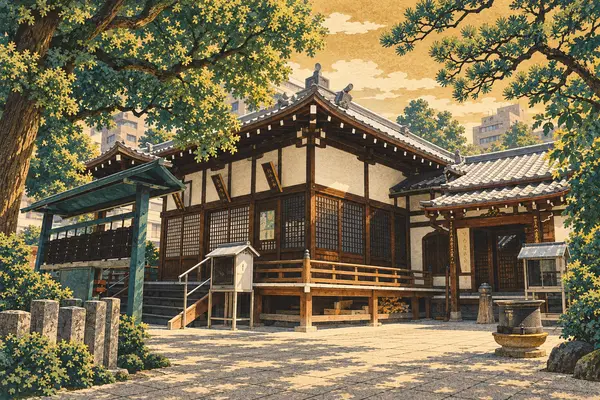
報恩院
Temple tradition attributes Hōon-in’s foundation in the Kanbun era to Ryōhen.
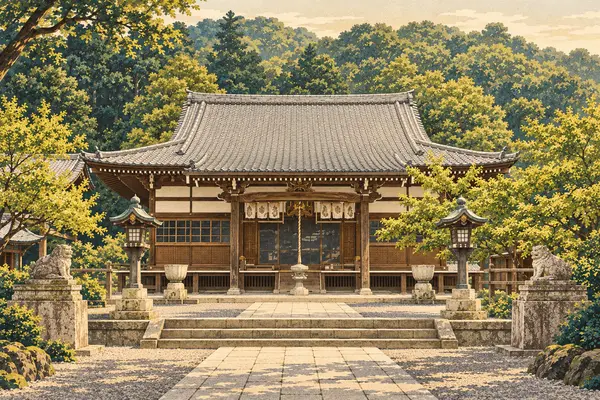
法輪寺
Most halls burned in the late-Edo Kinmon conflict; the halls, gate and pagoda were subsequently rebuilt.
法輪寺
Hōrin-ji's origin tradition concerns Kūkai and a reclining Shaka image. The association records that the temple moved to its present site in the Shōhō era, then suffered another fire in 1859 before rebuilding.
坐摩神社
Ikasuri appears in the Heian-period Engishiki as Nishinari district’s principal major shrine.
池上本門寺
Nichiren died at Ikegami in 1282; the temple preserves the site’s commemorative tradition.
往馬坐伊古麻都比古神社
The shrine first appears as Ikoma-no-kami in a Nara-period document. Its tradition of foundation in Emperor Yūryaku’s reign is distinguished from that documentary evidence.
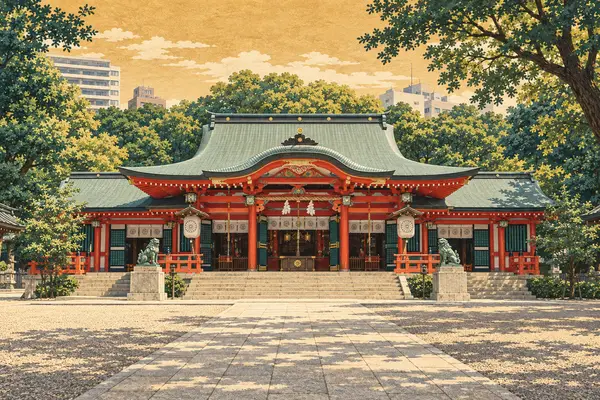
生田神社
Ikuta’s grove appears in Heian literature, including The Pillow Book.
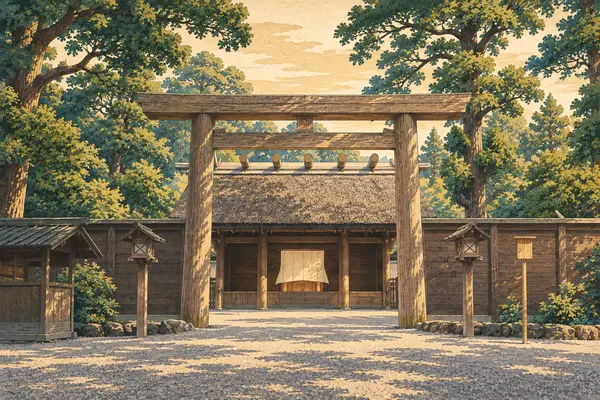
豊受大神宮(伊勢神宮 外宮)
Tradition says Emperor Yuryaku brought Toyouke from Tanba to Ise after an oracle in a dream.
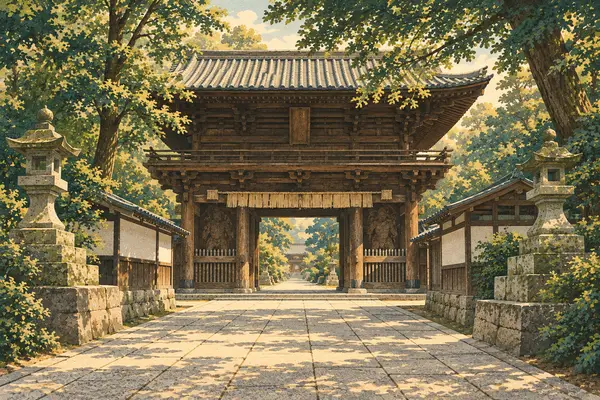
石手寺
Ishite-ji preserves medieval buildings including its 1318 Niō gate, designated a National Treasure. The association distinguishes the gate from other nationally protected halls, pagoda and bell, rather than applying one designation to every building.
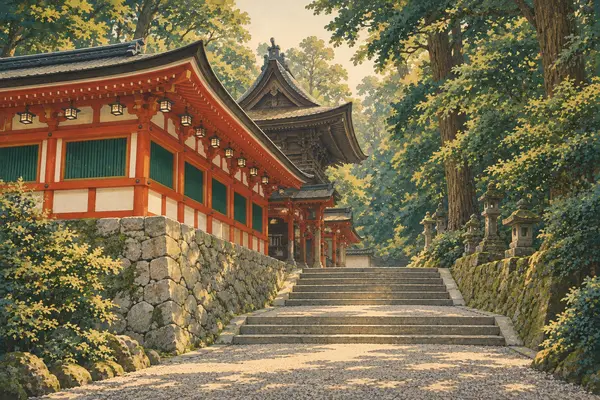
石上神宮
The foundation tradition dates worship of the three principal deities at Isonokami Furu to Emperor Sujin’s seventh year. Ancient texts preserve several names for the shrine.
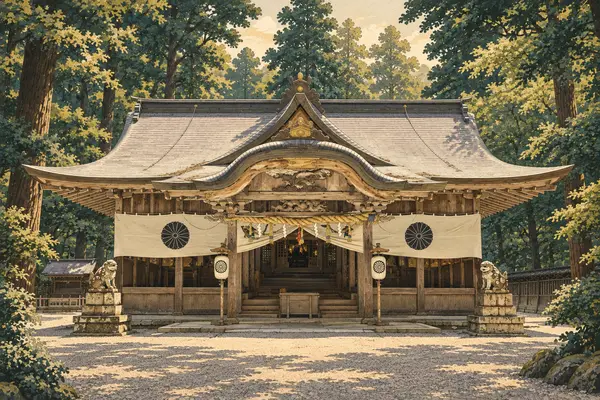
伊和神社
A shrine legend explains the north-facing sanctuary through a crane that rested on the Tsuruishi rock.
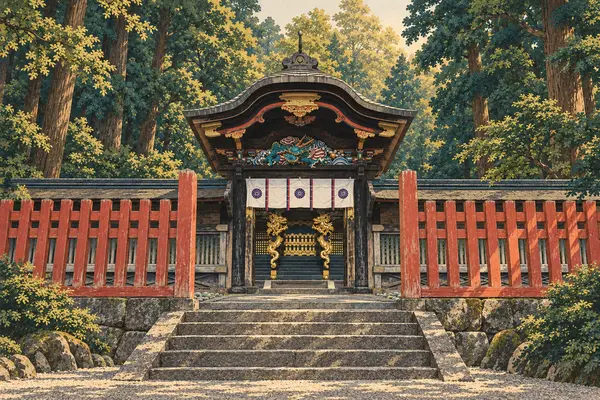
岩木山神社
The shrine traces its origin to a sanctuary built on Mount Iwaki in 780, and its present foothill location to a transfer in 1091.
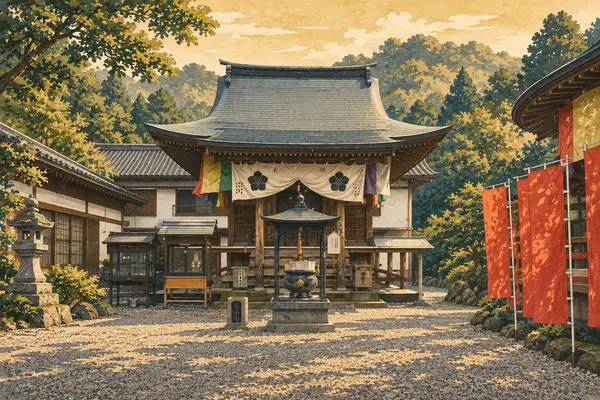
岩本寺
Iwamoto-ji's traditional predecessor was Fukuenman-ji, associated with Gyōki and the Niida shrines. The association describes the later separation of Buddhism and Shinto and the consolidation of five principal images at Iwamoto-ji.
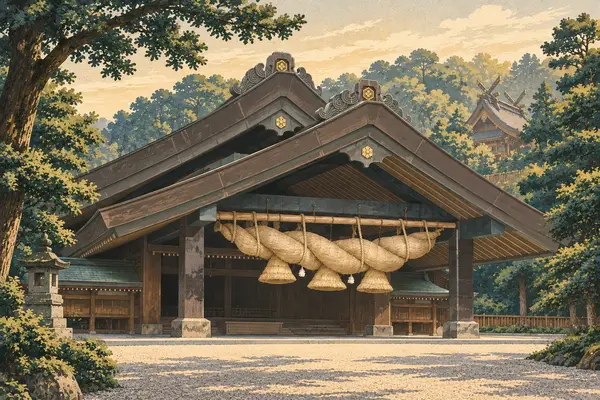
出雲大社
The present main sanctuary follows the 1744 reconstruction. The recent major restoration culminated in the 2013 sanctuary transfer and related projects completed in 2019.
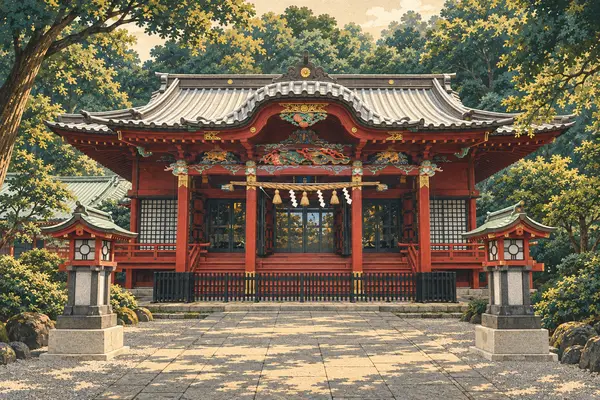
伊豆山神社
Izusan was known as Izu Daigongen in the Edo period; Tokugawa Ieyasu also visited.
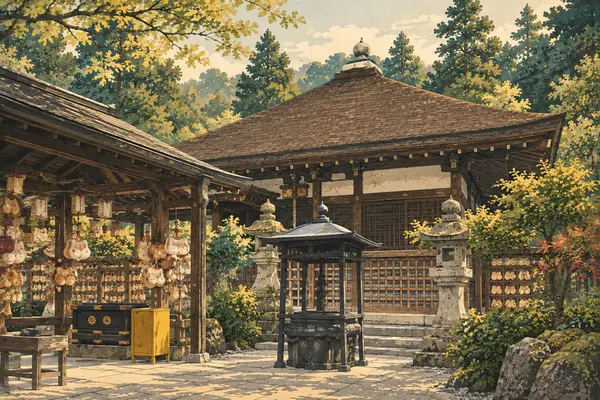
慈尊院
Jison-in traces its origins to Kūkai establishing an administrative temple in 816. Its traditions concerning his mother, Tamayō Gozen, explain its longstanding connections with women visiting Kōyasan.
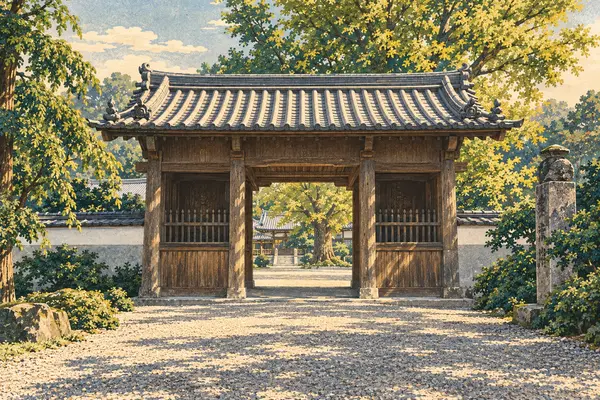
地蔵寺
Jizō-ji's foundation tradition links it to Kūkai in 821 and subsequent imperial support. Its precinct and affiliated temples were damaged in sixteenth-century conflict, after which successive priests and supporters rebuilt the temple.
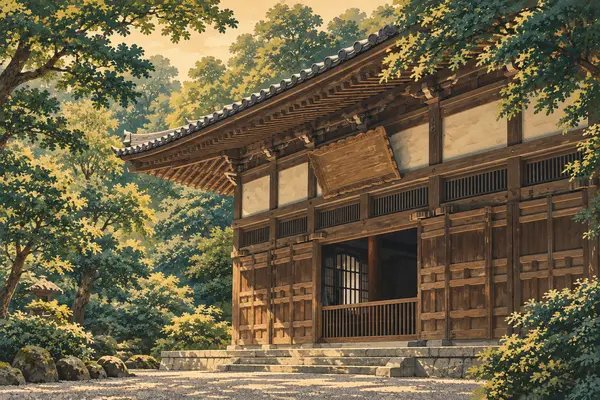
浄智寺
Jōchi-ji was founded around 1281 to memorialize Hōjō Munemasa, son of the fifth regent Hōjō Tokiyori.
浄土寺
Chōgen established Jōdo-ji at the beginning of the Kamakura period.
浄土寺
The temple tradition credits Prince Shōtoku with its foundation in 616. It later belonged to Saidai-ji’s network and became a major temple of the Sen’yū-ji branch in the Edo period.
浄土寺
Jōdo-ji's founding account concerns Emyō, an image attributed to Gyōki and imperial patronage. The association describes later restoration by Kūkai and preserves the temple's connection with the itinerant monk Kūya.
浄妙寺
Initially a Shingon temple called Gokuraku-ji, it became a Rinzai Zen temple under Geppō Ryōnen and adopted the name Jōmyō-ji around 1257–1259.
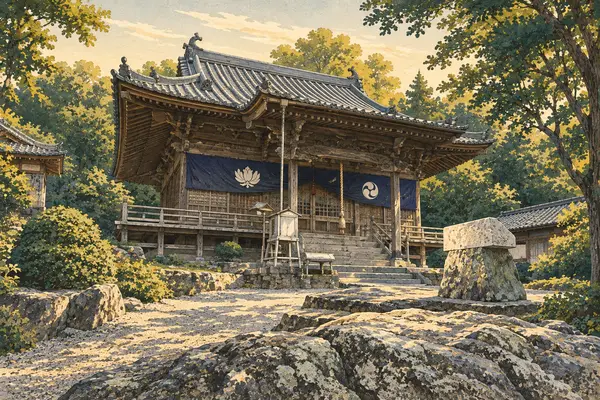
常楽寺
Jōraku-ji's foundation tradition concerns Kūkai's encounter with Miroku. After destruction and rebuilding, the association records its relocation in 1818 to the rocky precinct known for its flowing-rock garden.
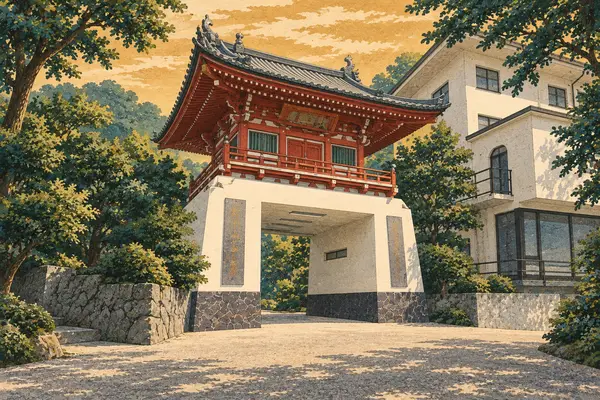
十楽寺
Jūraku-ji's founding tradition concerns Kūkai and an Amida image. The association records its relocation and reconstruction at the present site in 1635. The name expresses the wish for joy amid human suffering.
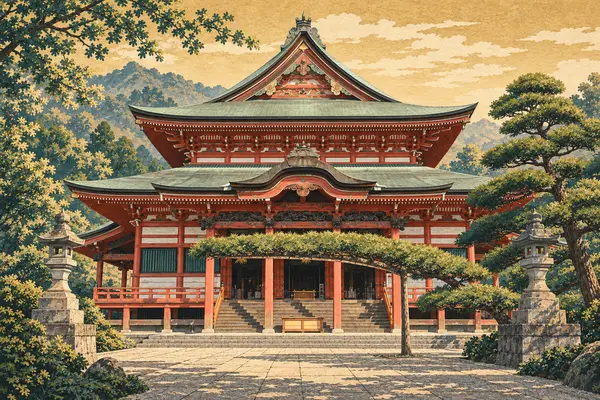
善光寺
Takeda Shingen established Kai Zenkoji after transferring Buddhist images and treasures from Nagano to protect them during the Kawanakajima conflict.
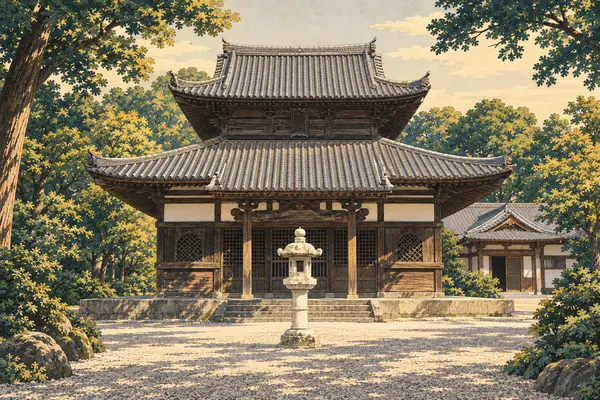
戒壇院
Kaidanin dates its establishment to 761 and identifies Ganjin as its founding master.
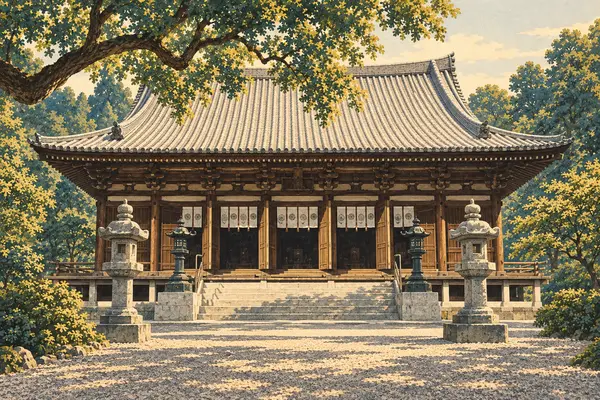
鶴林寺
The temple acknowledges uncertainty about its original foundation; an Edo-period origin account links it with Prince Shōtoku.
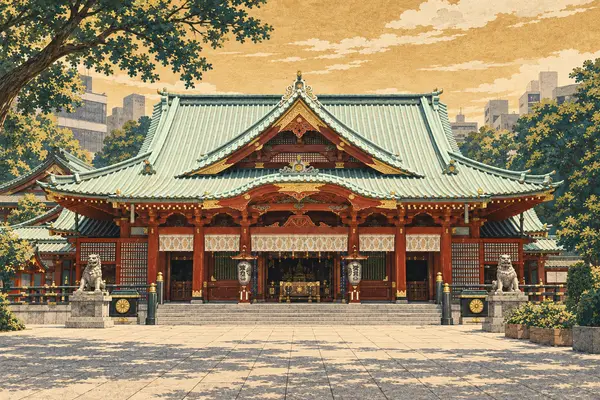
神田明神
The shrine transferred to its present site in 1616 to protect Edo Castle’s northeast direction. The current reinforced-concrete sanctuary was rebuilt in 1934.
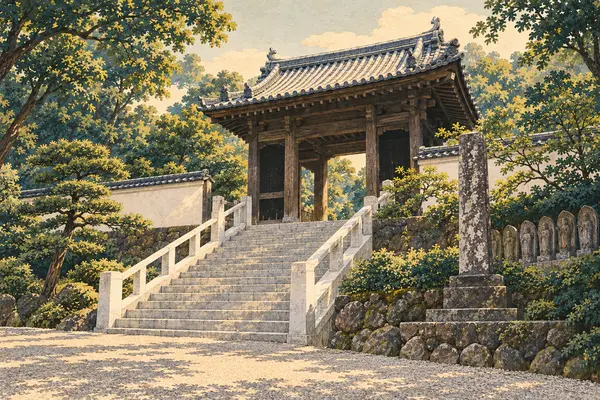
観自在寺
Kanjizai-ji's origin account attributes its establishment to Kūkai and images carved from a sacred tree. The association identifies it as the first pilgrimage temple in Ehime and describes its ties to the local coastal community.
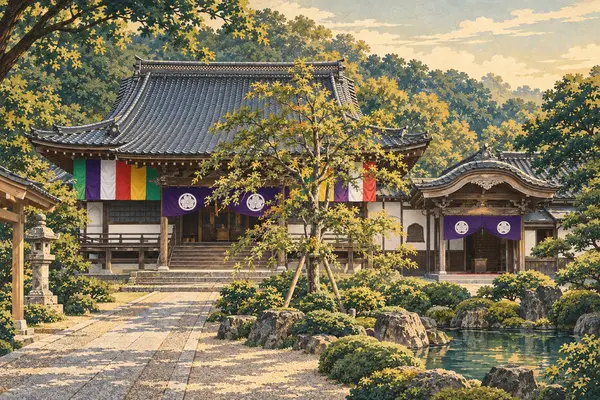
観音院
Kannon-in is a Tendai temple that flourished as a prayer temple of the Tottori Ikeda domain. The operator identifies its early Edo-period garden as a nationally designated scenic site since 1937.
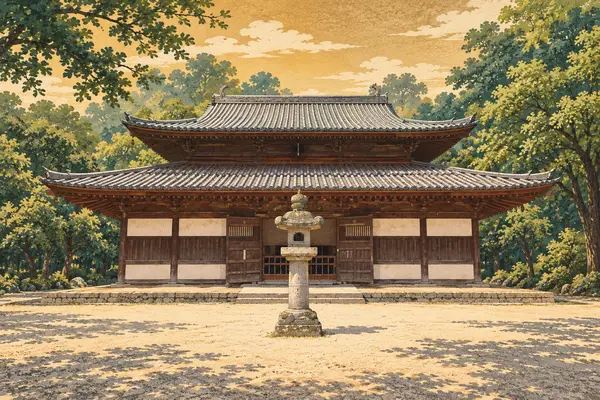
観世音寺
The surviving lecture hall and main hall were rebuilt in the early Edo period.
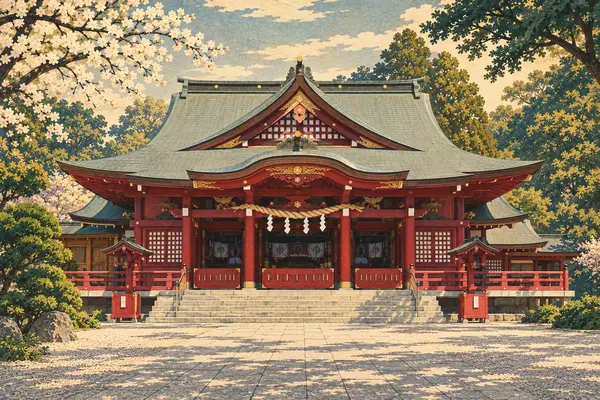
笠間稲荷神社
The present main sanctuary was rebuilt between 1854 and 1860 and designated an Important Cultural Property in 1988.
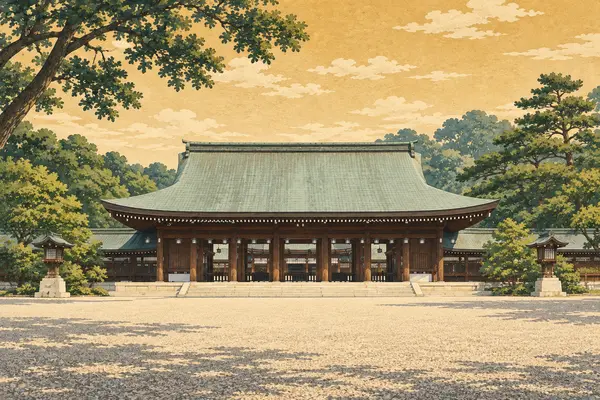
橿原神宮
Kashihara Jingū was established on April 2, 1890. Emperor Meiji provided buildings from the Kyoto Imperial Palace for its sanctuary and worship hall.
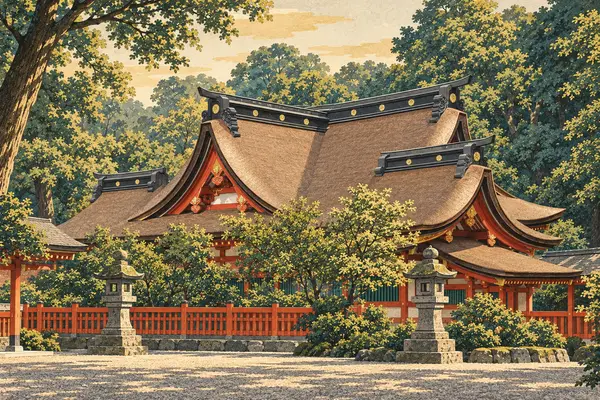
香椎宮
The shrine’s origin tradition says Empress Jingu built a sanctuary for Emperor Chuai in 200; a separate sanctuary for her was completed in 724.
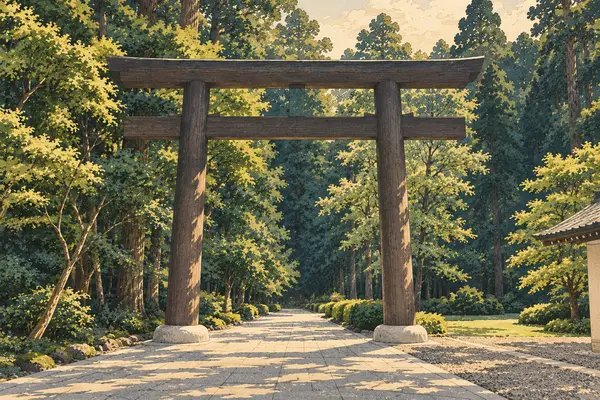
鹿島神宮
The present sanctuary was donated by Tokugawa Hidetada, while Tokugawa Ieyasu donated the inner shrine and Tokugawa Yorifusa the tower gate.
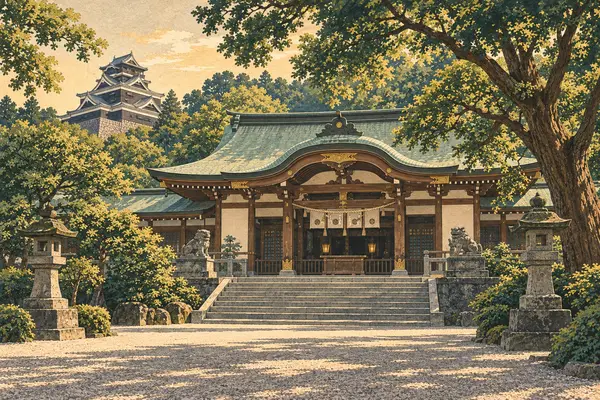
加藤神社
Founded as Nishikiyama Shrine in 1871 following the separation of Buddhism and Shinto, it adopted the name Katō Shrine in 1909 and returned to Kumamoto Castle in 1962.
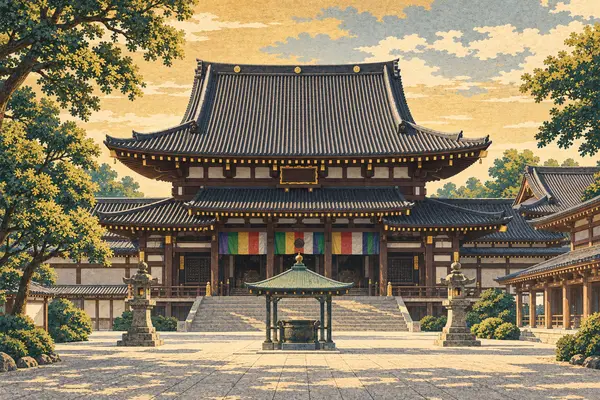
平間寺
The temple’s foundation account says Hirama Kanenori and Sonken built it in 1128 after Kanenori recovered its Kōbō Daishi image from the sea.
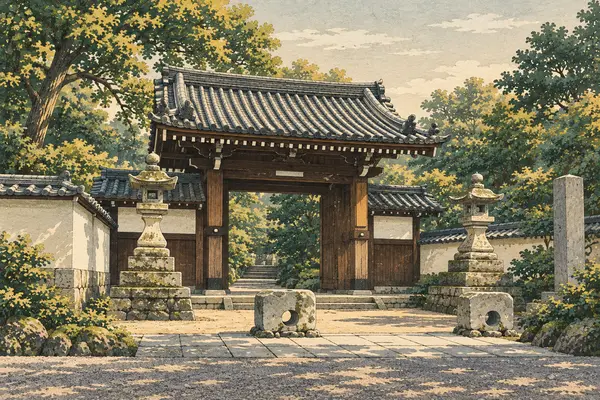
吉祥寺
Kichijō-ji's foundation account links Kūkai to images carved from a sacred cypress. The association notes its distinctive dedication to Bishamonten among the Shikoku pilgrimage temples.
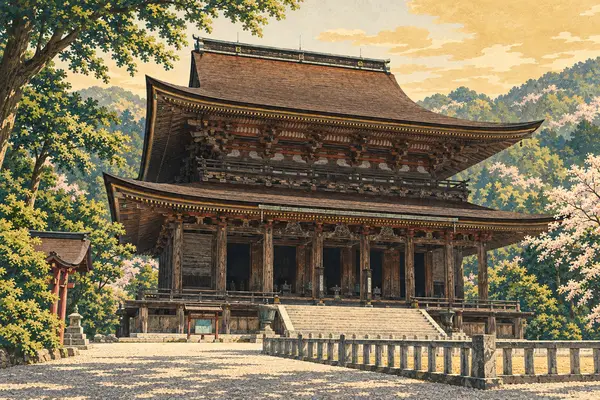
金峯山寺
The temple’s origin legend describes En no Gyōja invoking Zaō Gongen in the late seventh century and carving images from mountain cherry wood for Yoshino and Mount Ōmine.
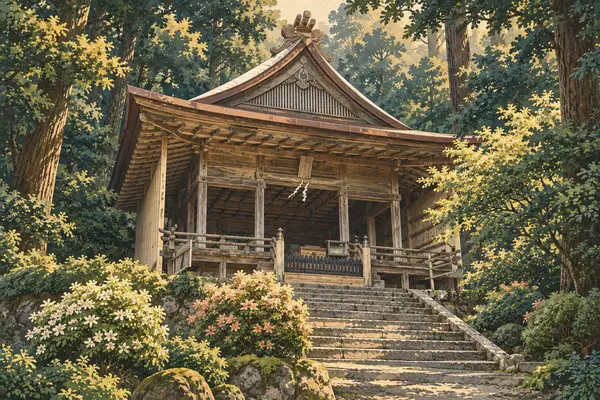
金峯神社
Kimpu Shrine enshrines the mountain land deity Kanayamahiko. The prefectural tourism guide describes its medieval role in Shugendō and notes that the worship hall was transferred from the former Yoshino Jingū.
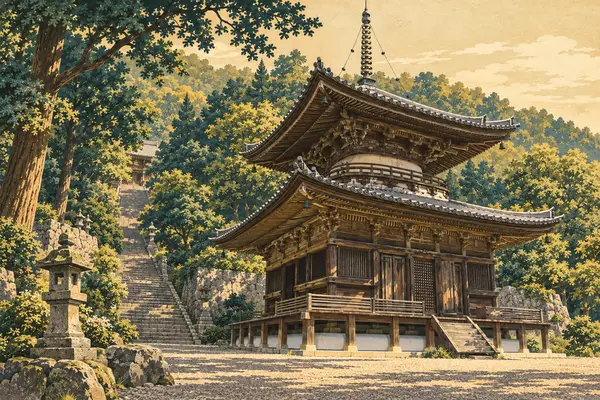
切幡寺
Kirihata-ji's name is explained through a temple legend in which a young weaver cuts cloth for Kūkai and becomes associated with Kannon. This religious narrative is retained as legend rather than established historical fact.
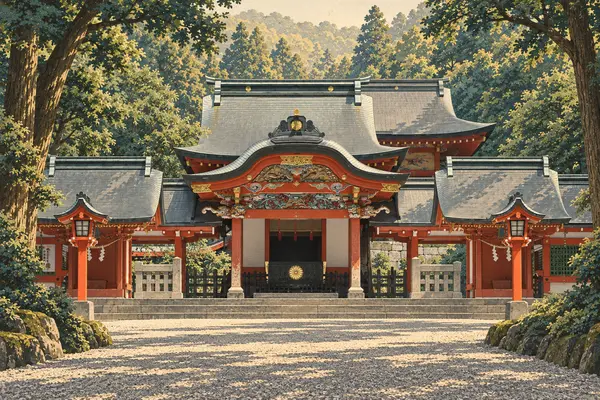
霧島神宮
The present buildings were rebuilt in 1715 following a fire. The main sanctuary, offering hall and worship hall were designated National Treasures on 9 February 2022.
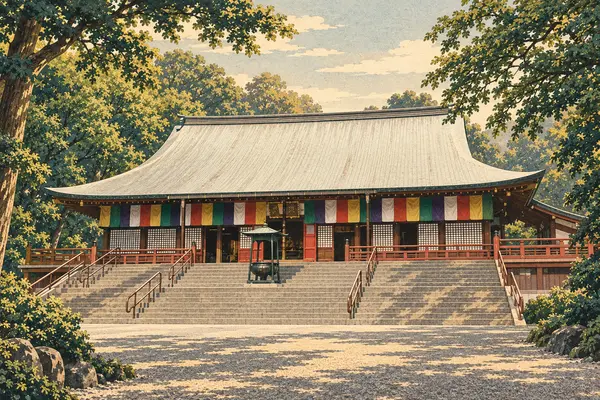
喜多院
After the 1638 Kawagoe fire, Tokugawa Iemitsu rebuilt Kita-in and relocated palace buildings from Edo Castle to form its guest hall, study and kitchen.
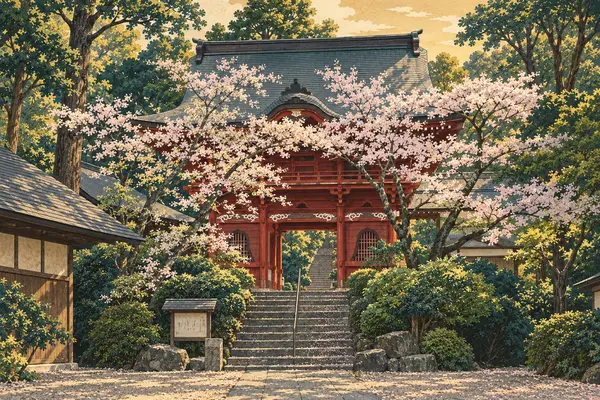
清水寺
The pilgrimage association traces the temple’s foundation to Jikaku Daishi in 807.
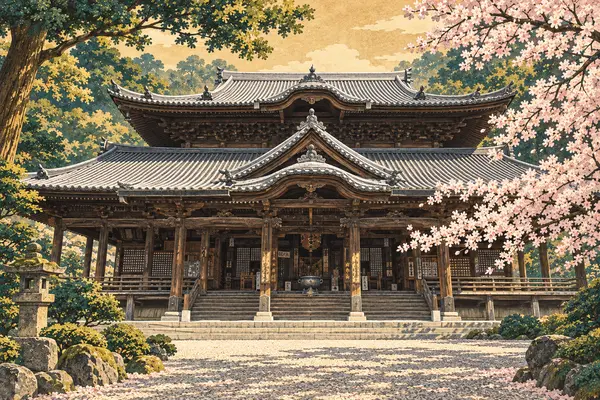
粉河寺
Kokawa-dera’s origin account links a hunter and a miraculous child pilgrim to a Kannon image in 770. The temple records destruction during Hideyoshi’s 1585 campaign and the completion of surviving halls under later Tokugawa patronage.
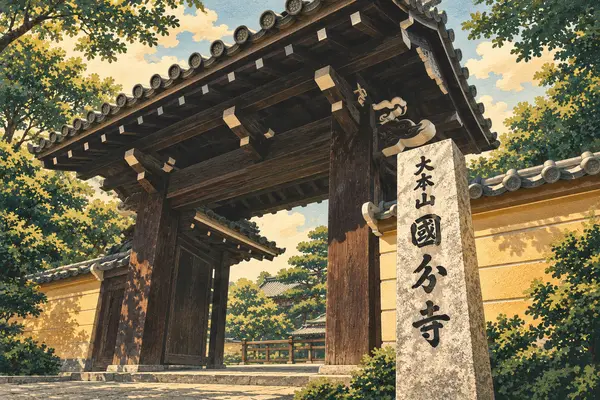
国分寺
The temple became a provincial Kokubun-ji during Emperor Shōmu’s reign.
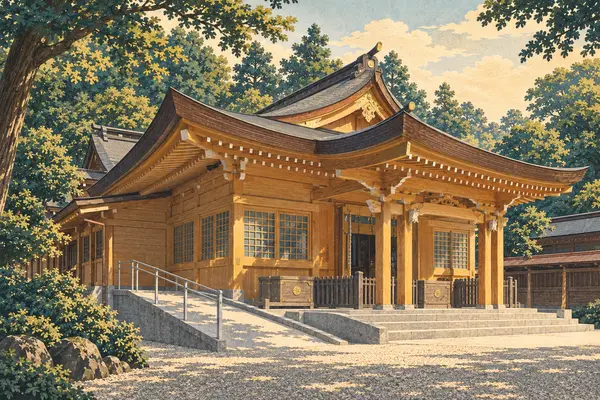
高麗神社
The shrine’s account says residents enshrined Koma no Jakko after his death to honor his leadership of Koma district.
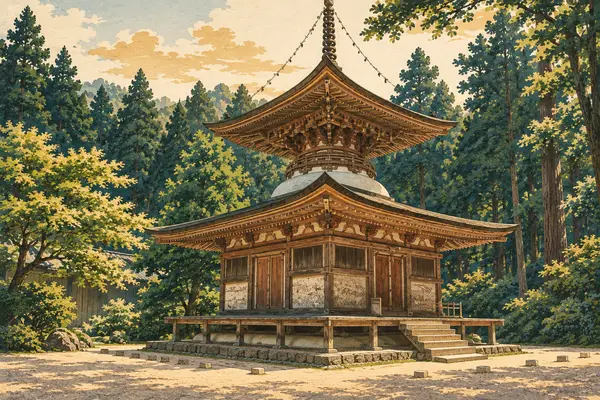
金剛三昧院
Kong ō Sanmai-in was established by Hōj ō Masako to commemorate Minamoto no Yoritomo and Sanetomo. The prefectural guide distinguishes its National Treasure pagoda from other protected buildings, including the sutra repository.
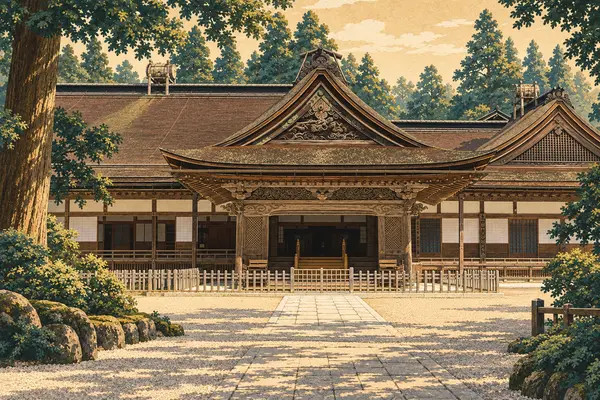
金剛峯寺
The present Kong ōbu-ji developed from the union of Seigan-ji, founded by Toyotomi Hideyoshi for his mother, and neighboring Kōzan-ji after the Meiji Restoration. Its identity should be distinguished from the broader foundation history of Kōyasan.
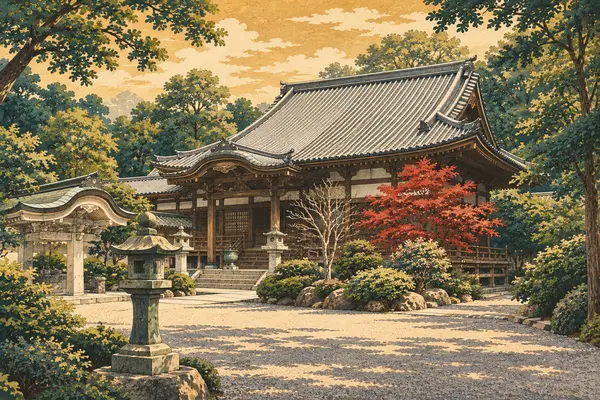
金泉寺
Konsen-ji's origin account attributes its establishment to Gyōki and its name to a well associated with Kūkai. The temple later developed close imperial connections, including a tradition concerning retired Emperor Kameyama.
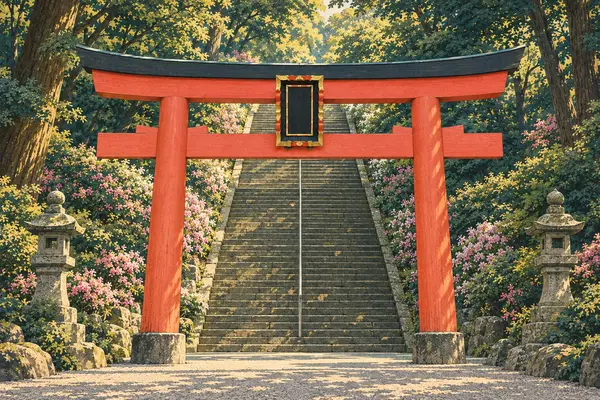
高良大社
The shrine buildings and stone torii received Important Cultural Property designation in 1972.
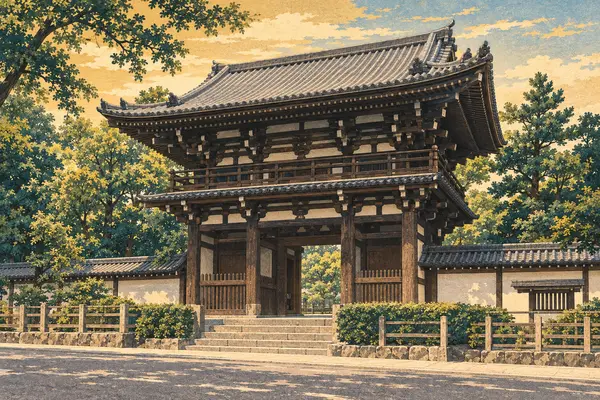
広隆寺
The temple preserves the crowned Maitreya statue recognized as the first designated National Treasure.
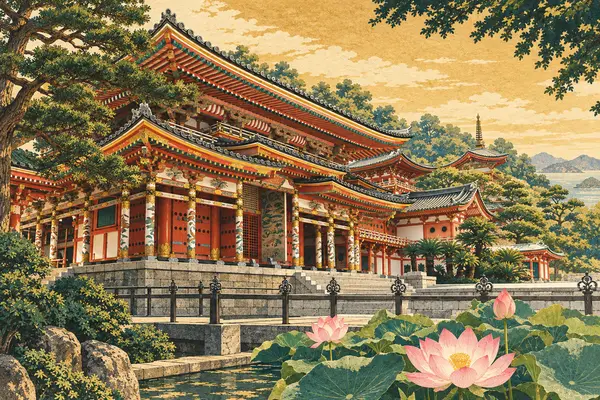
耕三寺
Kōsan-ji Kōsō, a former Osaka businessman, built the temple in gratitude to his mother. Its art museum opened in 1953, and fifteen buildings were registered cultural properties in 2003.
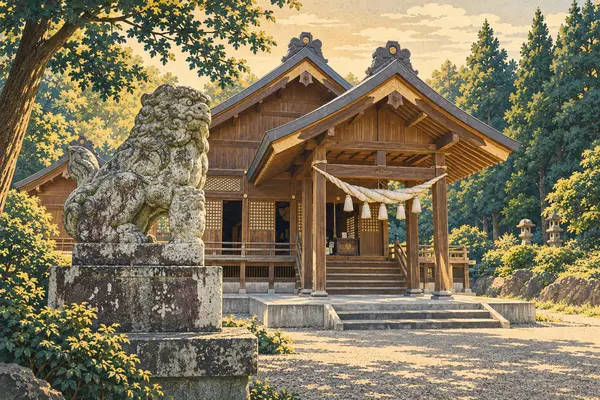
居多神社
The shrine preserves municipally designated wooden guardian dogs estimated to date from the Kamakura period, together with medieval and early modern shrine documents.
琴弾八幡宮
Kotohiki Hachimang ū’s origin tradition describes a deity arriving by boat while playing a koto in 703. The official tourism association explains its former combined Buddhist and Shinto organization and subsequent connections with the Minamoto family.
金刀比羅宮
Kotohira-g ū’s official history distinguishes its ancient religious origin accounts from later organization as Konpira Daigongen. It records incorporation of Emperor Sutoku’s worship in 1165 and subsequent development under Buddhist and Shinto traditions.
功山寺
The temple’s history dates its foundation as Chōfuku-ji to 1327 and records its protection by the Ashikaga and later Ōuchi lords.
熊谷寺
Kumadani-ji's foundation story links Kūkai and a Kannon image to Kumano Gongen. The association separately records the 1687 gate, the destructive 1927 fire and twentieth-century rebuilding of the main hall.
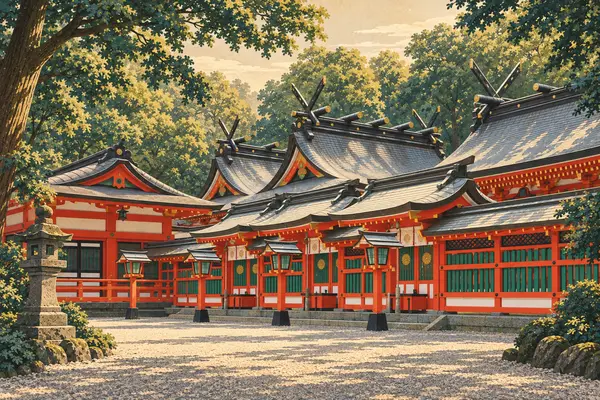
熊野速玉大社
Kumano Hayatama Taisha’s religious origin account links the Kumano deities with nearby Kamikura Mountain and their subsequent worship at the present shrine. Its history describes medieval imperial pilgrimages and the development of Kumano’s syncretic worship.
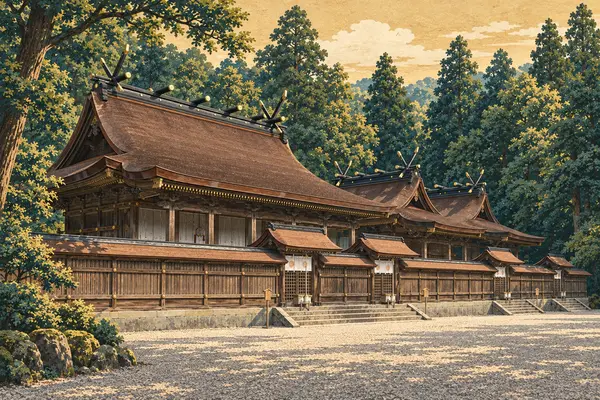
熊野本宮大社
Kumano Hongū Taisha preserves an origin tradition concerning divine presence at Ōyunohara. Its official account describes the adoption of Buddhist practices during the Nara period and the shrine’s subsequent history of combined Buddhist and Shinto worship.
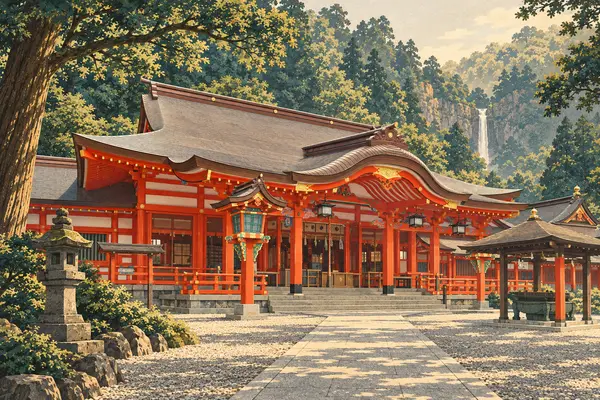
熊野那智大社
Kumano Nachi Taisha developed within the Nachi mountain pilgrimage landscape and venerates Kumano Fusumi. The religious association describes the shrine’s connection with Nachi Falls and the longstanding combined Buddhist and Shinto worship of the mountain.
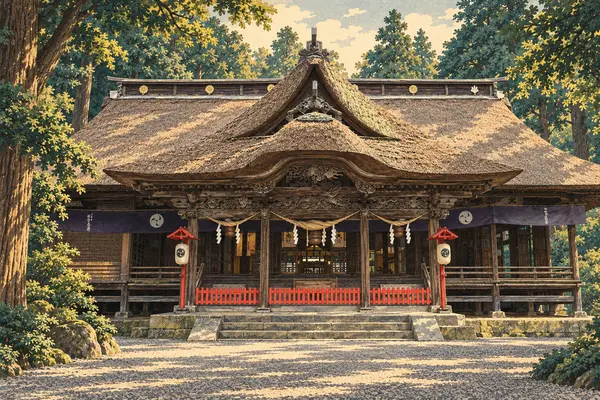
熊野神社
The shrine’s account says it was rebuilt in 806 by an imperial command.
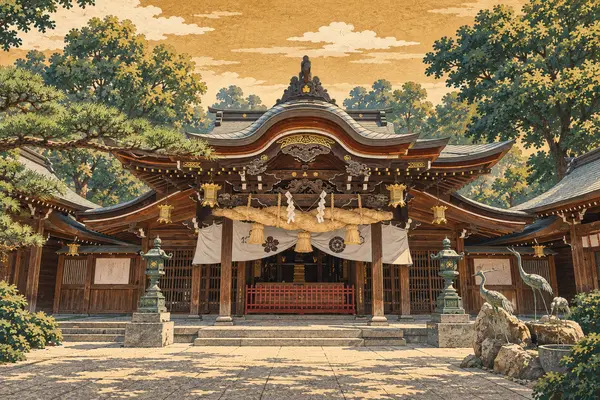
櫛田神社
The present shrine buildings were erected when Toyotomi Hideyoshi restored Hakata.
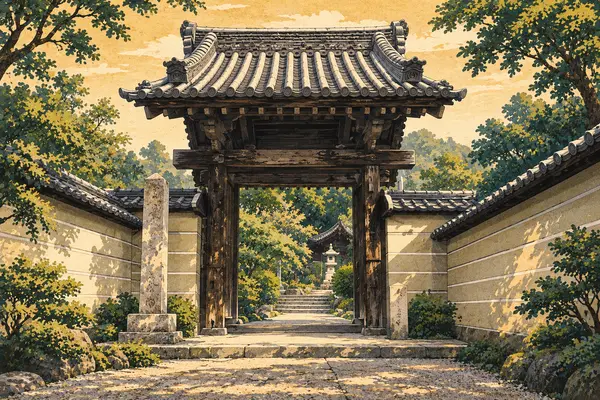
教興寺
Local tradition credits Hata no Kawakatsu with founding Kyōkō-ji at Prince Shōtoku’s request.
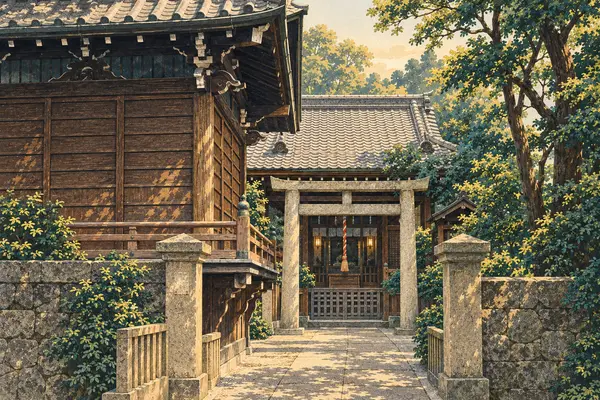
丸山神社
The city district newsletter describes a large sword donated to Maruyama Shrine and formerly displayed during Takanawa Shrine’s festival.
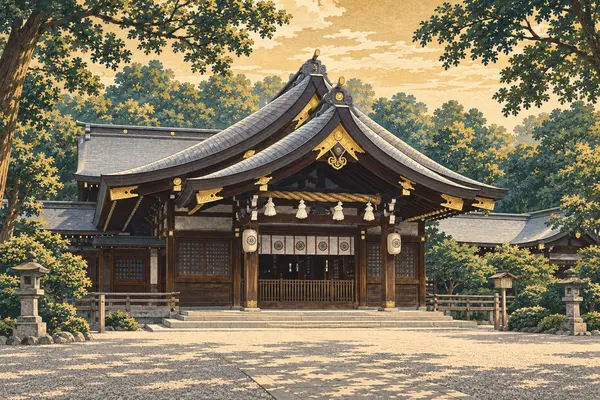
真清田神社
Masumida was recognized as Owari Province’s leading shrine during the Heian period.

明月院
The temple originated as Meigetsu-an in 1159 to memorialize Shudō Toshimichi. It took the name Meigetsu-in when Uesugi Norikata expanded Zenkō-ji in 1380.
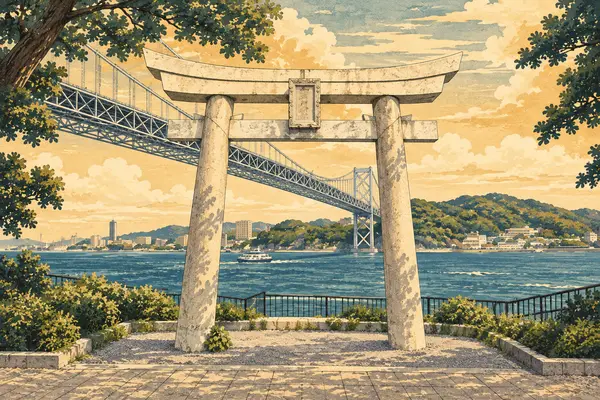
和布刈神社
The shrine’s founding tradition attributes its establishment to Empress Jingu after she visited this coast.
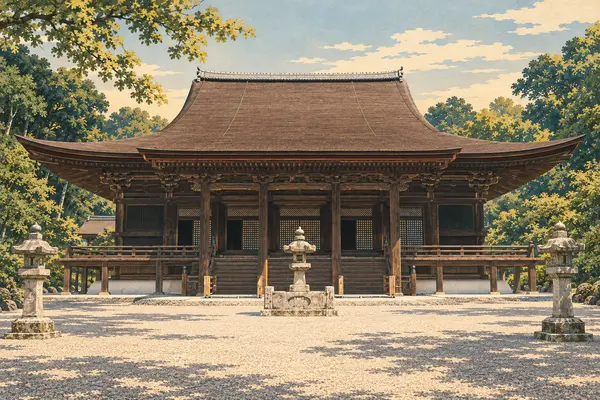
園城寺
The temple’s origin account credits Prince Yota with donating land to commemorate his father, Emperor Kobun.
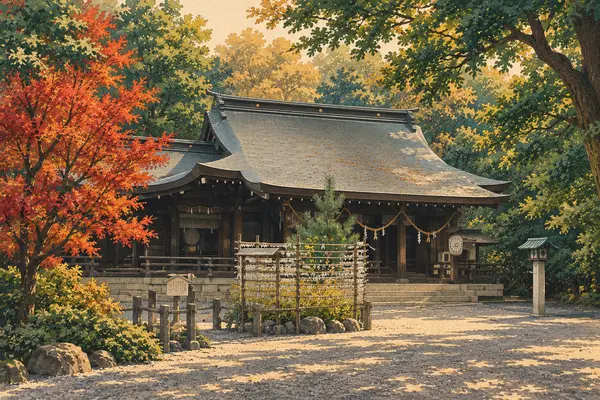
水無瀬神宮
The shrine occupies the site of retired Emperor Go-Toba’s Minase villa and grew from worship of his memorial image.
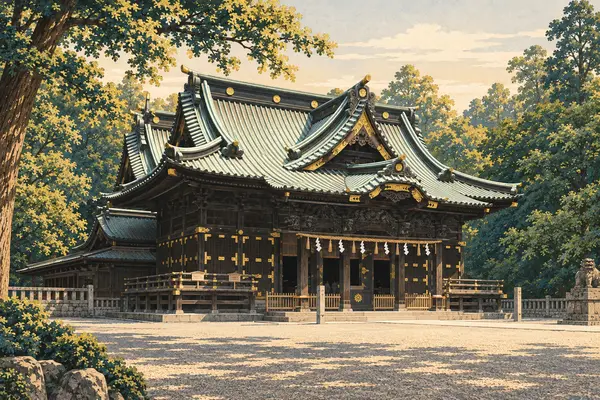
三嶋大社
The shrine traces its rice-planting ritual to the Heian period and describes its later development into a kyogen-style performance.
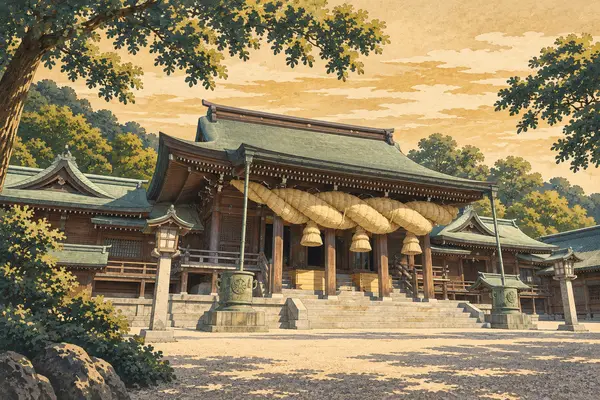
宮地嶽神社
The shrine’s tradition links its origin to Empress Jingu’s prayers before sailing, and to the subsequent enshrinement of her and two accompanying deities.
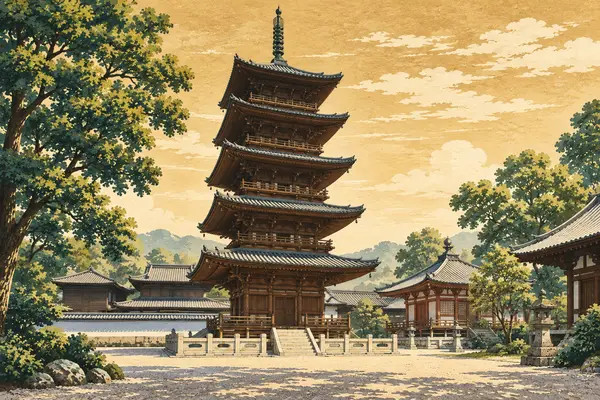
本山寺
Motoyama-ji's origin account attributes its establishment to Kūkai in 807. The association describes its dedication to Batō Kannon and records that its five-story pagoda was rebuilt in 1910 after deterioration.
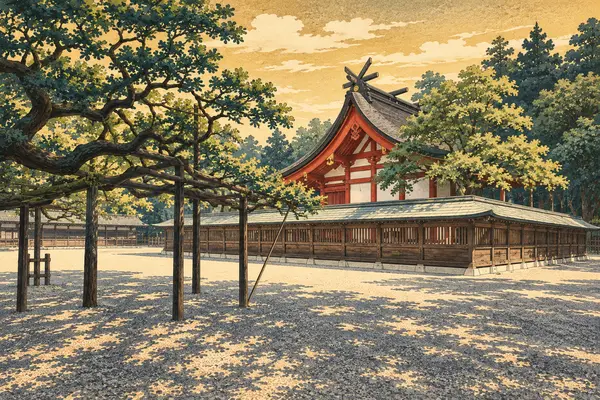
宗像大社
The Hetsumiya main sanctuary dates to 1578 and its worship hall to 1590.
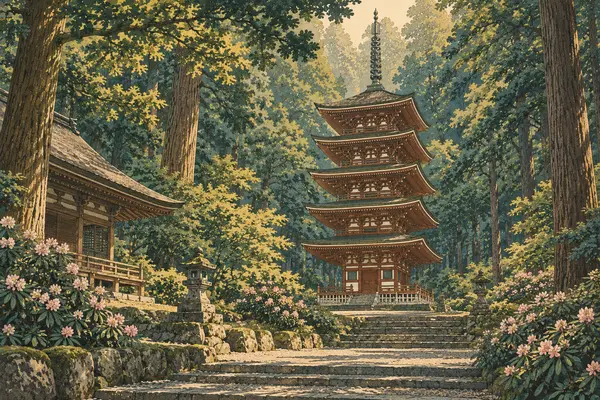
室生寺
Murō-ji’s development was overseen by Shūen of Kōfuku-ji around the transition from the Nara to Heian period.
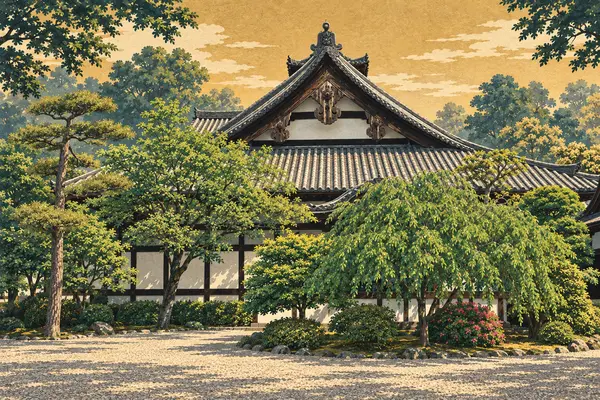
妙法院
The temple kitchen is attributed to construction around 1595 under Toyotomi Hideyoshi.
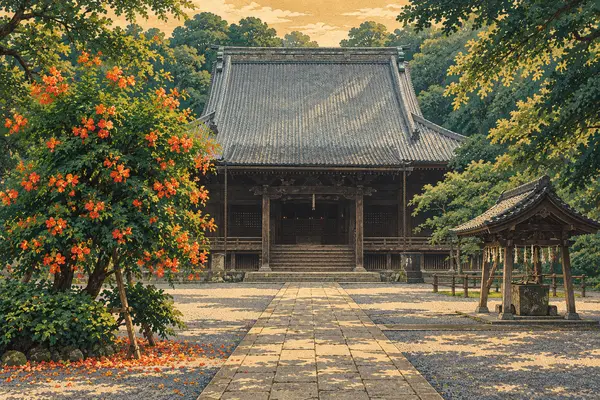
妙本寺
Tradition attributes Myōhon-ji’s foundation in 1260 to Hiki Yoshimoto, who built a memorial hall for his family and donated it to Nichiren.
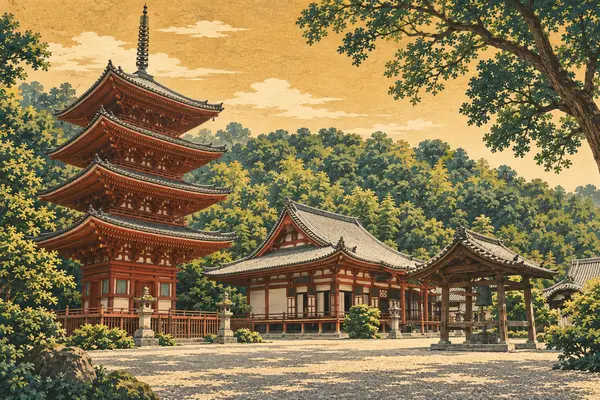
明王院
Under the protection of the Fukuyama Mizuno lords, the former Jōfuku-ji was combined with their Myōō-in prayer temple and adopted the Myōō-in name.
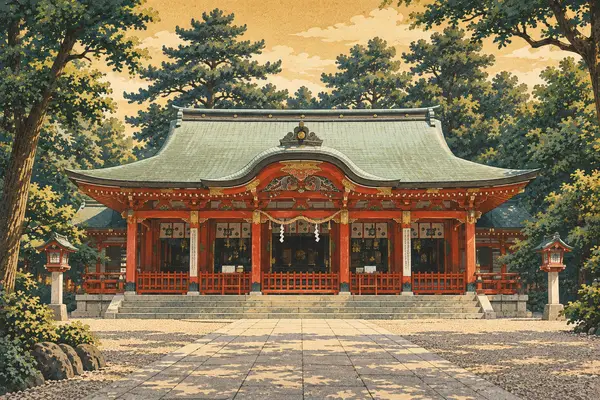
長田神社
During the Heian period, Nagata was one of eighty-five shrines designated for prayers for rain.
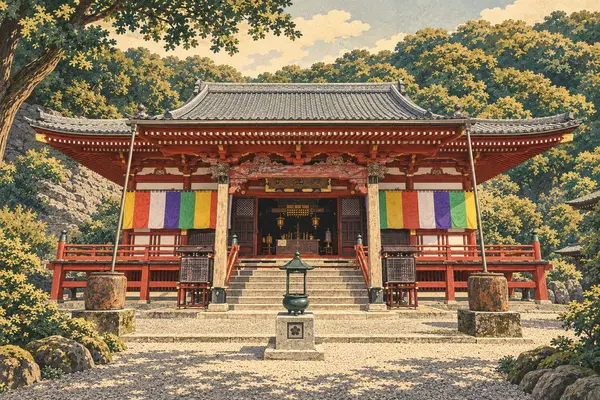
那古寺
The Tahōtō pagoda was built in the middle Edo period and preserves a separate Shaka image made in 1609.
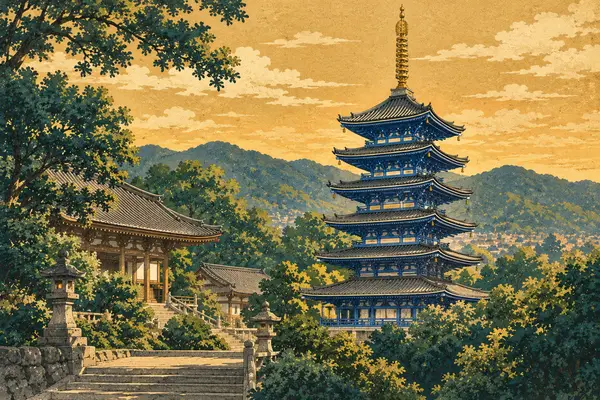
中山寺
Temple tradition attributes Nakayama-dera’s foundation to Prince Shōtoku.
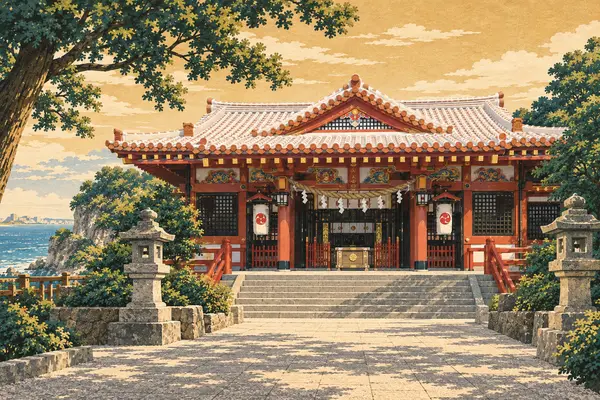
波上宮
After wartime damage, the main sanctuary and office were rebuilt in 1953 and the worship hall in 1961. A further rebuilding was completed in 1993, followed by precinct works in 1994.
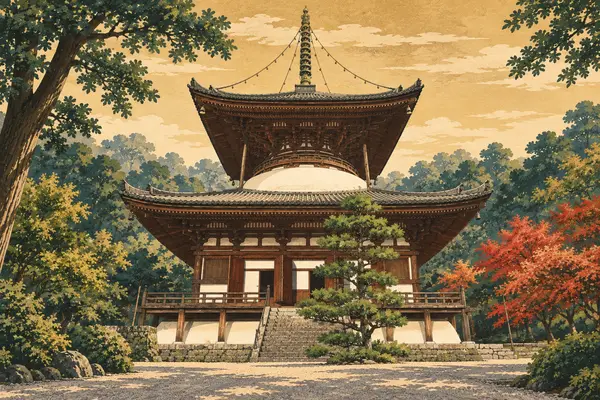
根来寺
Negoro-ji developed from Kakuban’s religious and teaching work and later became a major center of Shingon learning. Much of the complex burned during Hideyoshi’s 1585 campaign; major halls were subsequently rebuilt with Tokugawa support.
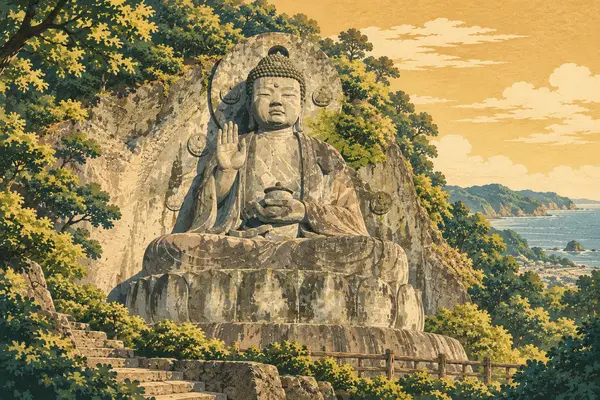
日本寺
The temple’s account says Minamoto no Yoritomo rebuilt its Yakushi hall in 1181.
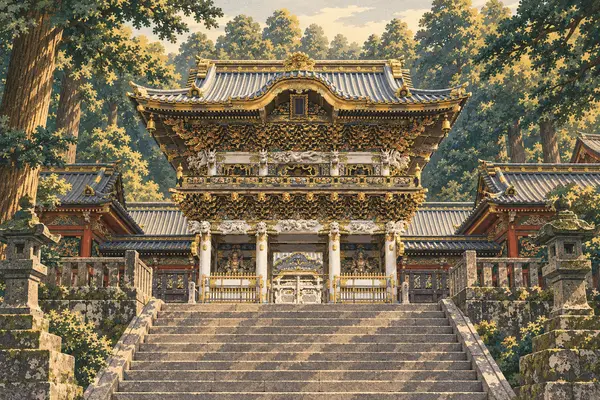
日光東照宮
Tokugawa Ieyasu was enshrined here in 1617; Tokugawa Iemitsu rebuilt the complex into its present ornate form in 1636.
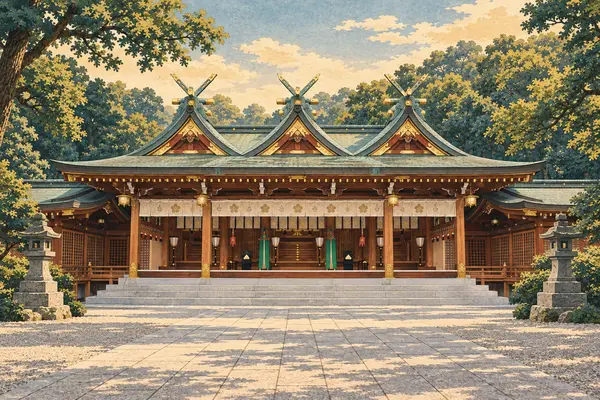
西宮神社
During Tokugawa Ietsuna’s rule, the shrine received rights to print deity images, helping spread Ebisu worship.
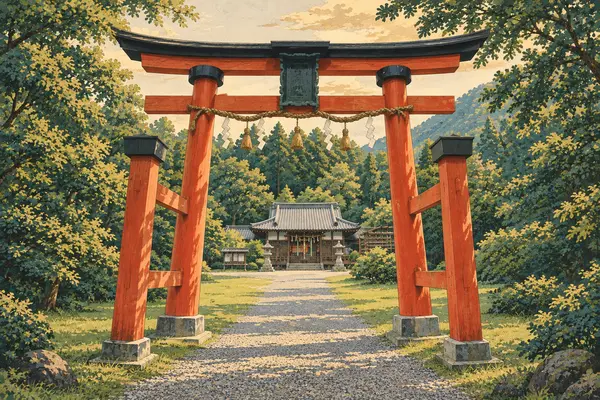
丹生官省符神社
The shrine attributes its establishment to Kūkai and stands at the entrance to the Kōyasan Chōishi-michi pilgrimage route. This foundation account is retained as shrine tradition.
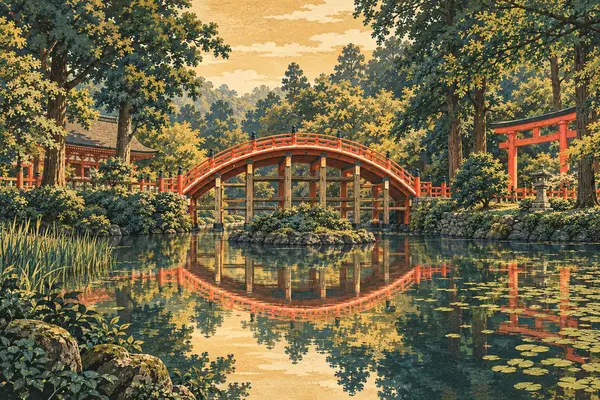
丹生都比売神社
Niutsuhime Shrine’s origin account connects its goddess with the land of Kii and the later establishment of Kōyasan. The shrine presents these early episodes as its religious tradition.
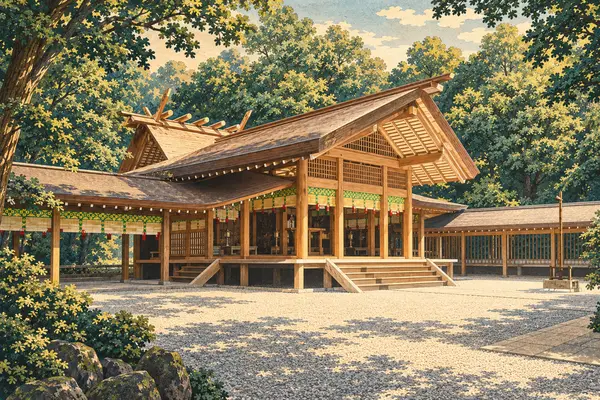
乃木神社
Nogi Shrine’s enshrinement ceremony took place on November 1, 1923; its sanctuary was rebuilt in 1962 after wartime destruction.
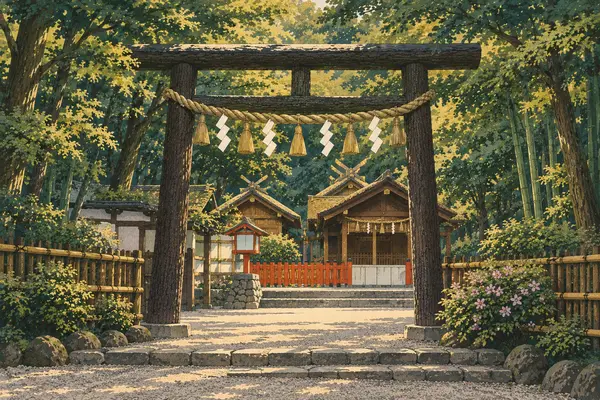
野宮神社
Nonomiya served as a purification residence for imperial priestesses preparing to travel to Ise.
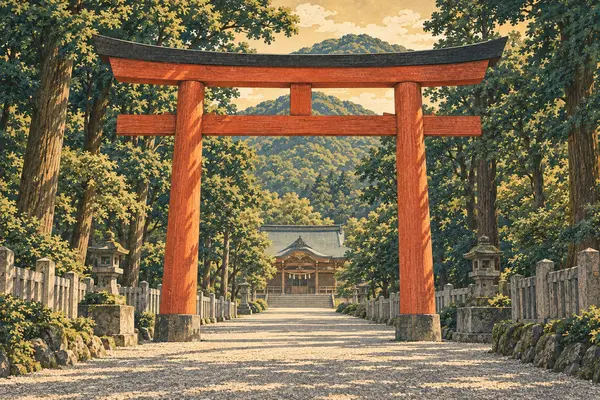
大麻比古神社
Ōasahiko Shrine’s origin tradition concerns the introduction of hemp cultivation to Awa and worship of its guardian deity. Its official history separately records the Meiji rebuilding and completion of roof restoration in 2022.
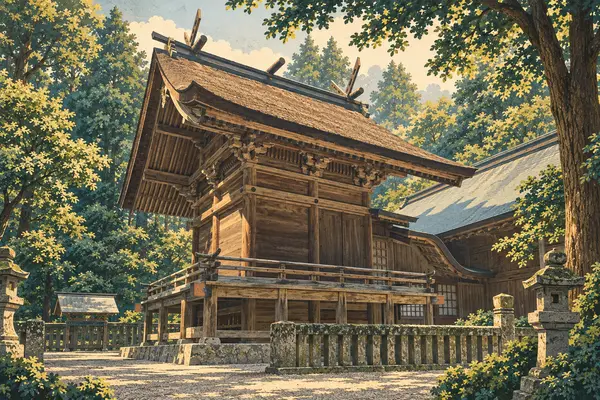
大神山神社
Ōgamiyama Shrine developed separate winter and summer worship locations. Its official history records relocation of the winter shrine to present-day Odaka in 1653 and later Meiji-period reorganization linking the main shrine and mountain inner shrine.
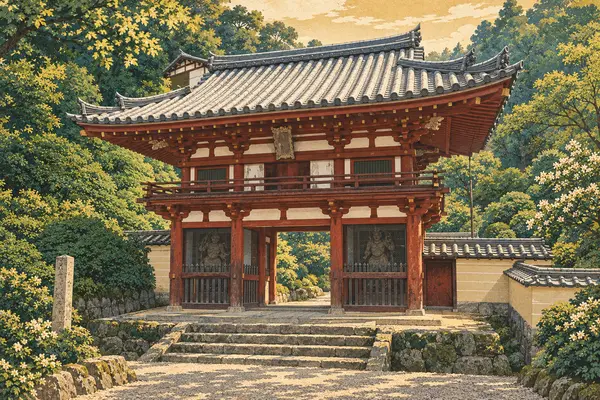
岡寺
Temple tradition credits Gien with founding Oka-dera at Emperor Tenji’s request.
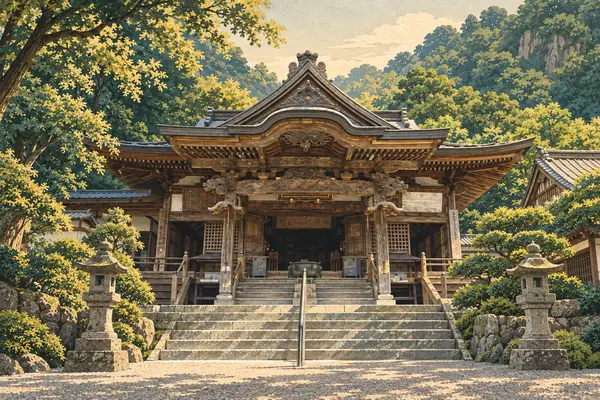
大窪寺
Ōkubo-ji's origin account connects Gyōki and Kūkai with its sacred spring and Yakushi worship. The association describes its role as the concluding temple of the pilgrimage and later recovery after warfare and fire.
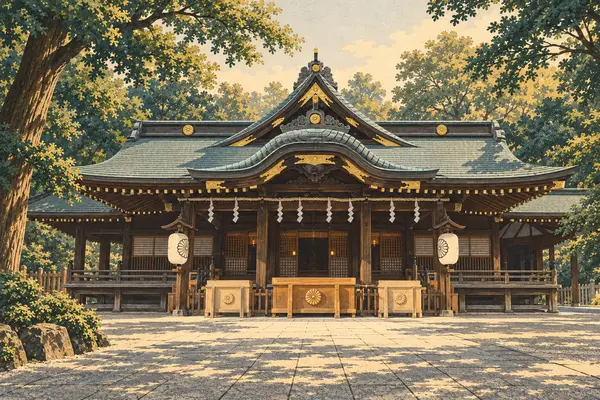
大國魂神社
The shrine’s origin account says it was established in 111 following an oracle of Ōkunitama no Ōkami.
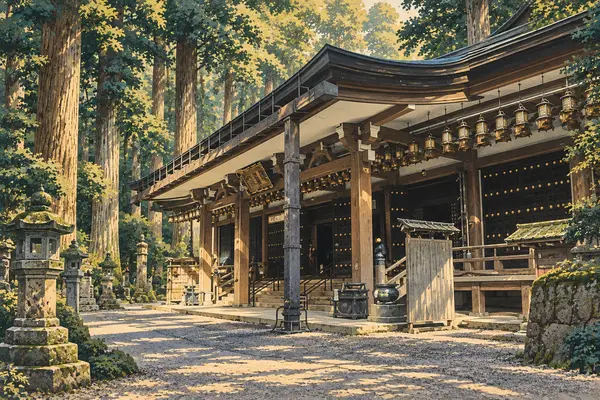
奥之院
Okunoin is Kōyasan’s Buddhist mausoleum precinct associated with Kūkai. The belief that he remains in eternal meditation here is a religious tradition. Centuries of memorial towers and graves line the approach to his mausoleum.
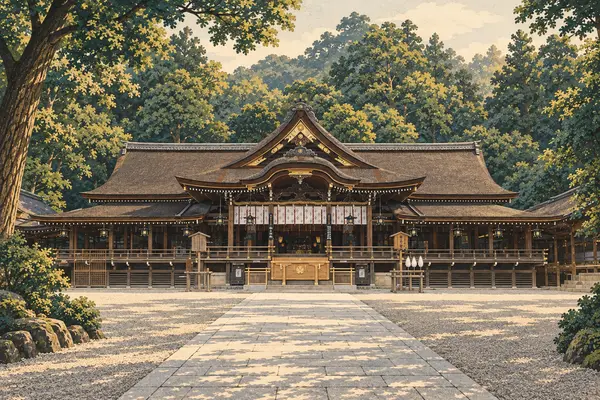
大神神社
The shrine’s origin myth in the Kojiki and Nihon Shoki describes Ōmononushi’s spirit being enshrined on Mount Miwa. Worship faces the mountain through the triple torii.
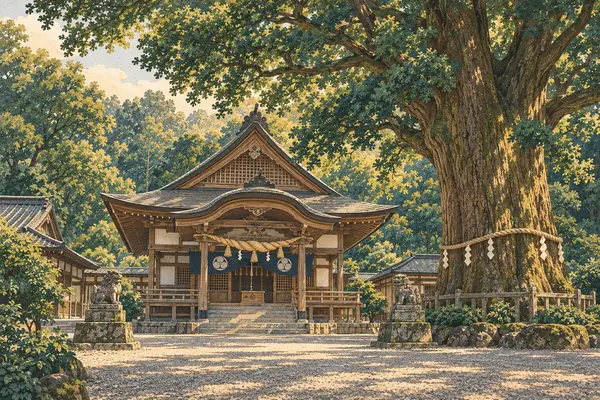
小村神社
Omura Shrine preserves an ancient decorated sword as its sacred object. The prefectural tourism authority records the sword’s 1958 National Treasure designation; this material history is distinguished from shrine origin traditions.
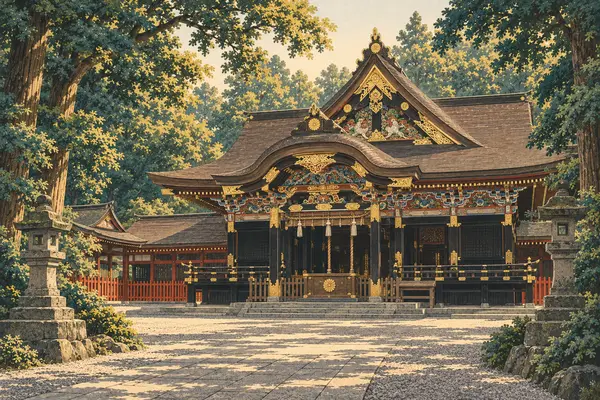
大崎八幡宮
Date Masamune commissioned the present sanctuary complex, constructed from 1604 to 1607.
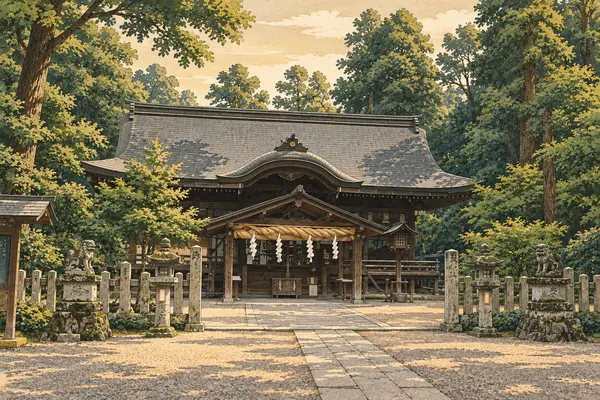
大和神社
The foundation tradition in the Nihon Shoki attributes separate worship of Yamato Ōkunitama to Emperor Sujin’s sixth year; later tradition describes moves before settlement at the present site.
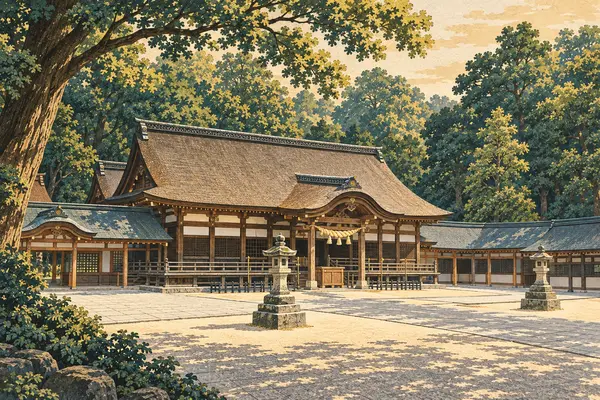
大山祇神社
Ōyamazumi Shrine’s religious tradition connects the deity Ōyamatsumi with mountains, seas and travel. Its official history describes relocation to the present Miyaura site and distinguishes surviving buildings from that early origin account.
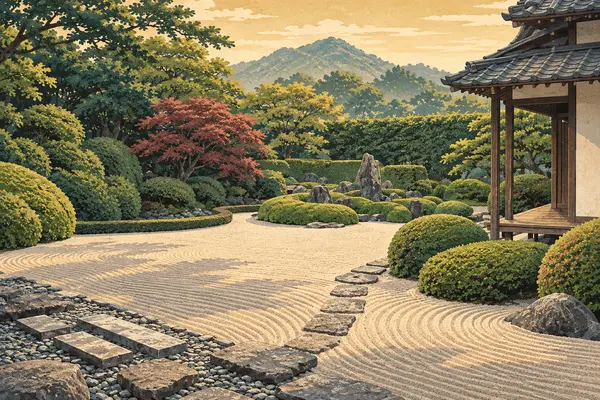
頼久寺
The temple’s earliest foundation is unknown. Ashikaga Takauji revived it in 1339 as Bitchū Ankoku-ji; it later took the name Raikyū-ji in memory of Ueno Yorihisa.
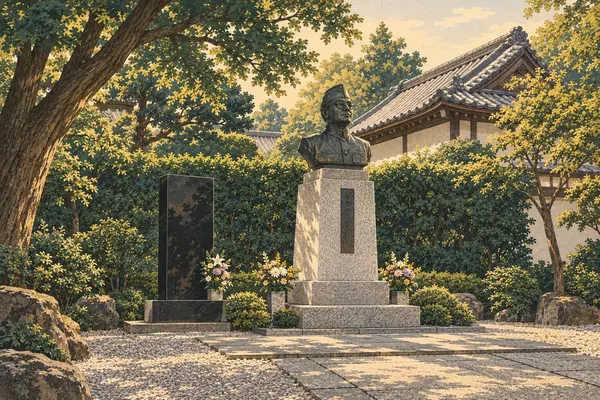
蓮光寺
Renkō-ji is associated with Japan–India remembrance of Subhas Chandra Bose. Suginami’s municipal walking guide describes his memorial in the grounds and the temple’s custodial role regarding the remains attributed to him.
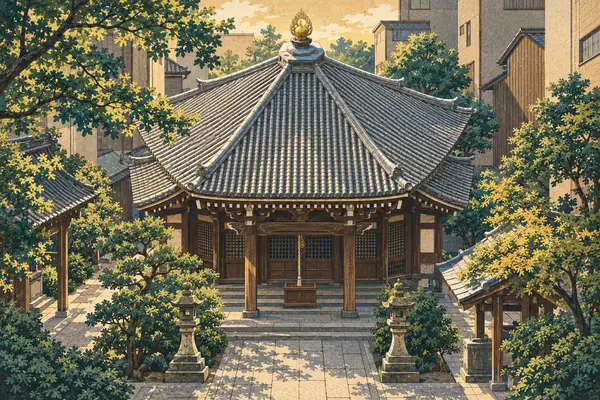
頂法寺
Ikebana developed during the Muromachi period from practices including flowers offered before Buddhist images.
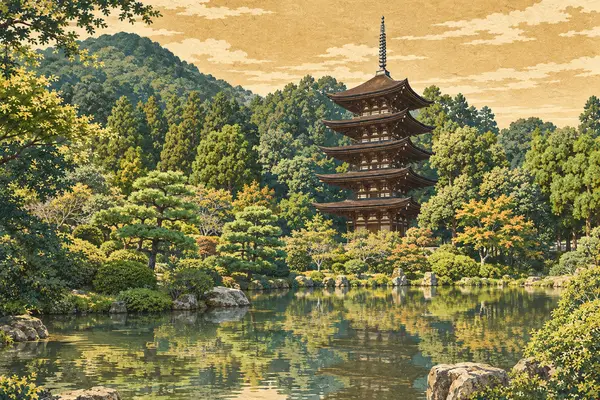
瑠璃光寺
Rurikō-ji moved from Niho to the current site in 1690. The surviving five-story pagoda was completed in 1442 for the earlier Kōshaku-ji temple.
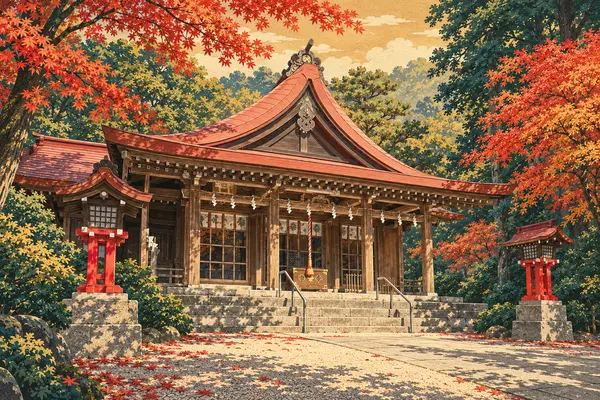
霊山神社
The shrine commemorates four members of the Kitabatake family associated with the Southern Court.
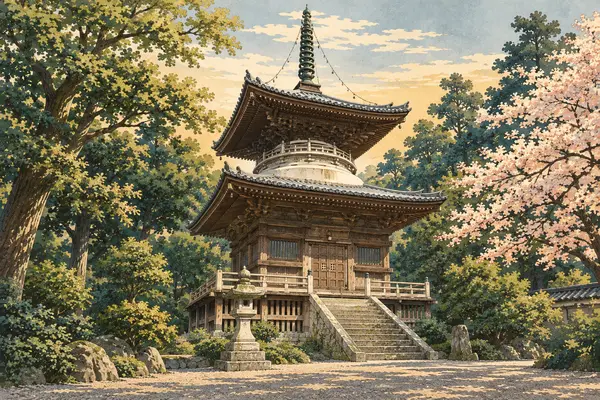
霊山寺
The association traces Ryōzen-ji's origins to Gyōki in the Tenpyō era and links its first-stop status to Kūkai. Its history records later destruction and reconstruction, including fires in 1582 and 1891.
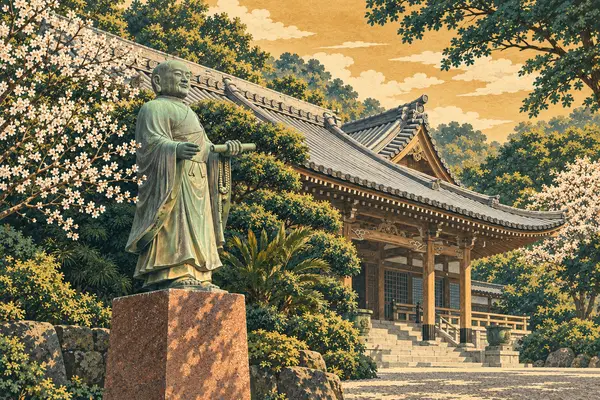
龍口寺
Fujisawa designated the temple’s main hall, gate and five-story pagoda as municipal important cultural properties on 1 October 2021.
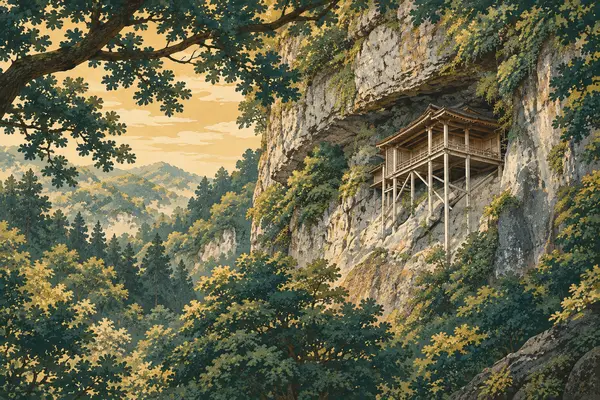
三仏寺
Sanbutsu-ji explicitly distinguishes the traditional foundation attributed to En no Gy ōja from building evidence. Its account cites dendrochronological dating of Nageire-d ō to the late Heian period rather than treating its miraculous construction legend as fact.
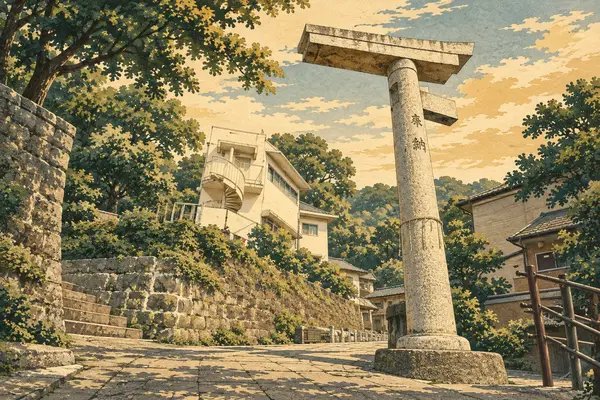
山王神社
Sanno Shrine was damaged by the Nagasaki atomic bombing on 9 August 1945.
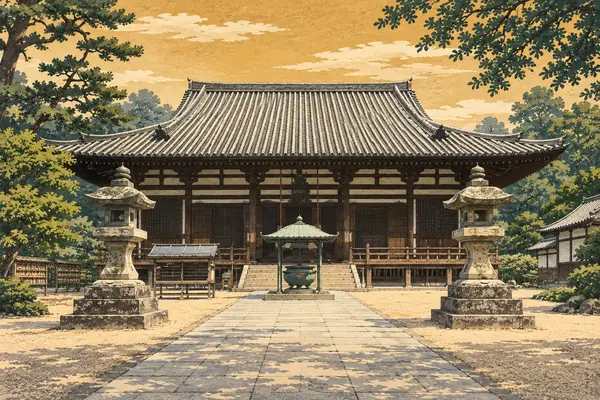
国分寺
Sanuki Kokubun-ji belongs to the provincial-temple tradition associated with Emperor Shōmu and Gyōki. The association describes preserved ancient foundations and the medieval main hall, distinguishing them from the original eighth-century structures.
西寒多神社
Ōtomo Chikayo moved the shrine from Mount Hongū to its present foothill location in 1408. It was ranked as a national middle shrine in 1871.
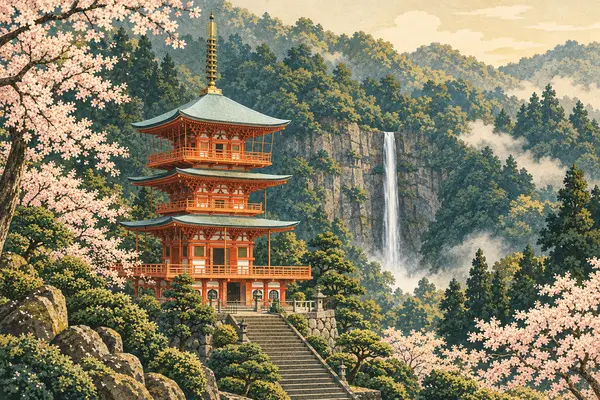
青岸渡寺
Seiganto-ji’s origin tradition concerns the monk Ragyō practicing beside Nachi Falls and finding a Kannon image. The pilgrimage association identifies it as a Tendai temple and the first stop of the Saikoku 33 pilgrimage.
青蓮寺
Seiren-ji formed from the merger of two former Hōan-ji subtemples during the early Meiji anti-Buddhist movement.
泉岳寺
Tokugawa Ieyasu founded Sengaku-ji in Soto Sakurada in 1612; it moved to Takanawa after the 1641 fire.
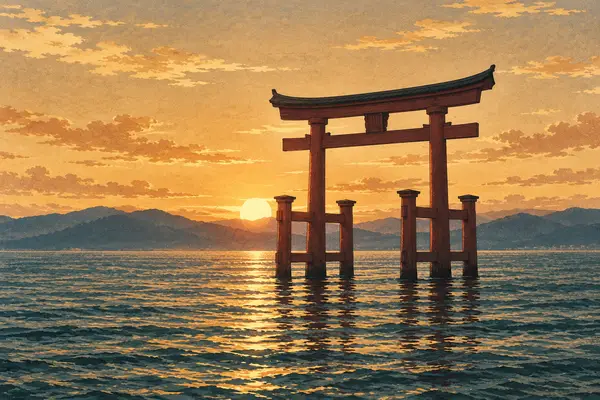
白鬚神社
The shrine’s own account attributes its creation or restoration to Princess Yamatohime during Emperor Suinin’s reign.
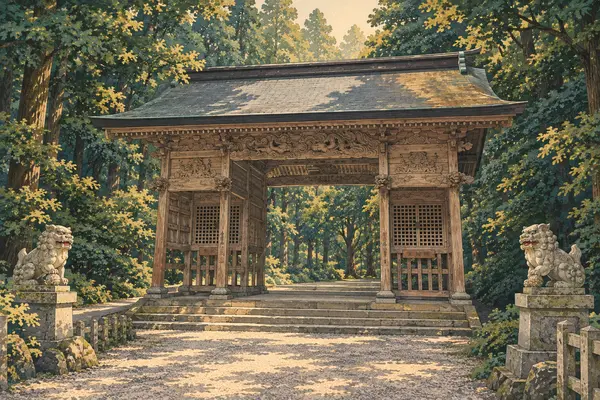
倭文神社
Shitori Shrine states that its founding date is unknown. Its religious tradition concerns Shitateruhime arriving from Izumo, while the shrine’s name is connected with local weaving and the deity Takehazuchi.
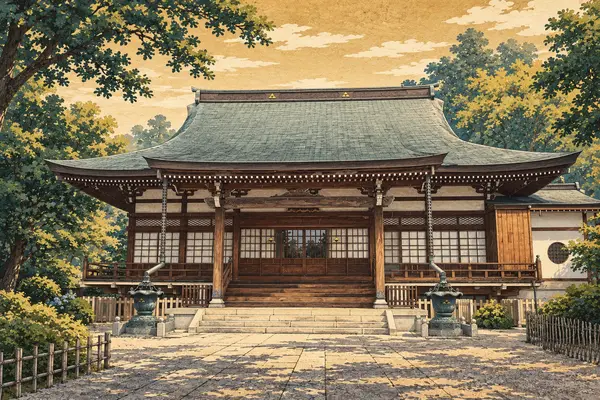
正福寺
The temple’s foundation tradition links Hōjō Tokimune’s recovery from illness to an encounter with Jizō in a dream.
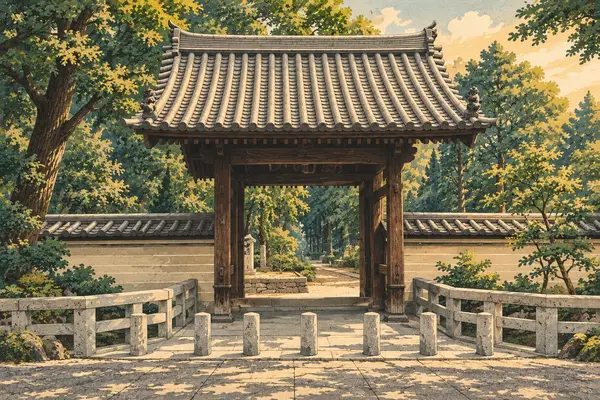
聖福寺
Eisai founded Shofukuji in 1195 on land provided by Minamoto no Yoritomo.
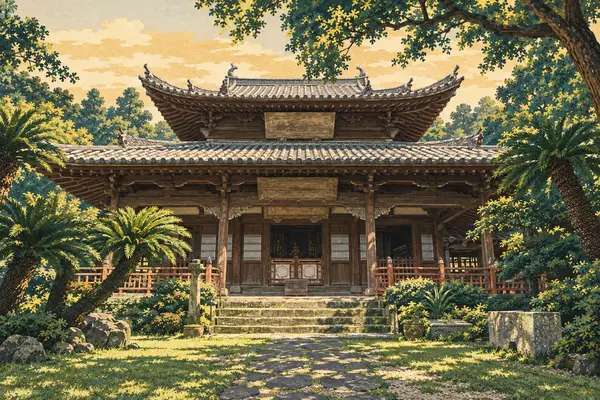
聖福寺
Tesshin Dohan, a second-generation disciple of Ingen, founded this Obaku temple in Nagasaki.
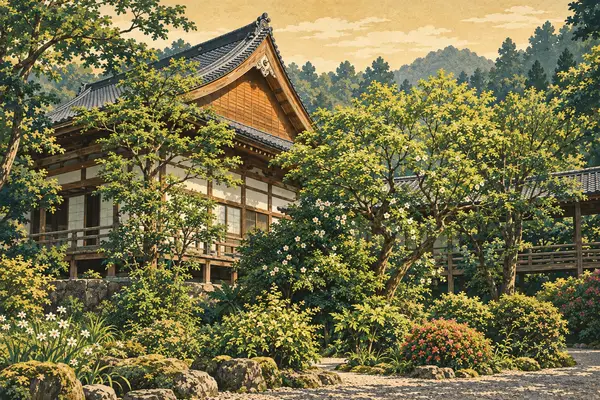
正念寺
The temple’s head priest reports succeeding as its seventeenth priest in 2000; he describes building a new temple lodge to introduce visitors to local culture and Buddhism.
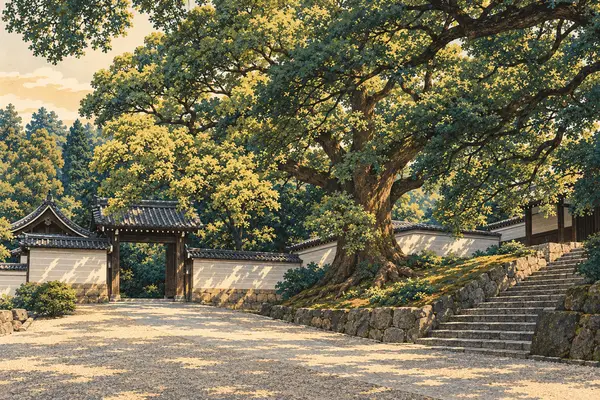
青蓮院
Shōren-in developed from Shōrenbō, an early Heian monastic residence on Mount Hiei, into a Tendai monzeki temple.
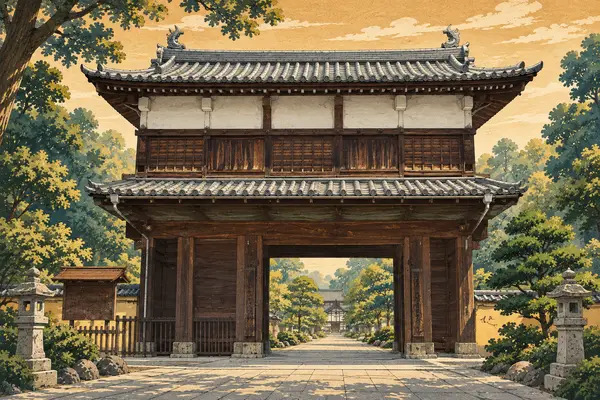
崇福寺
Sofukuji was founded in 1240. Its gate was transferred from Fukuoka Castle in 1918.
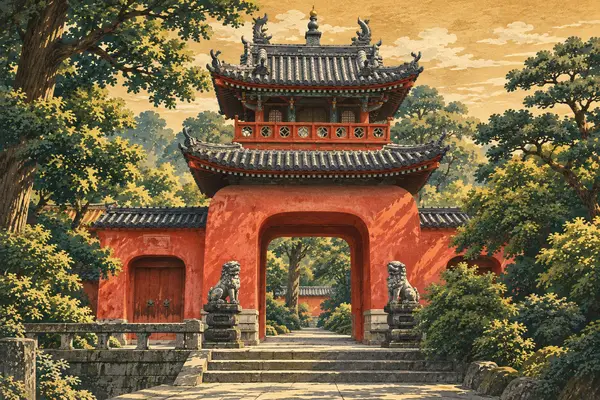
崇福寺
Chozen, a monk arriving from China, founded Sofukuji in 1629 at the request of Chinese residents from Fuzhou.
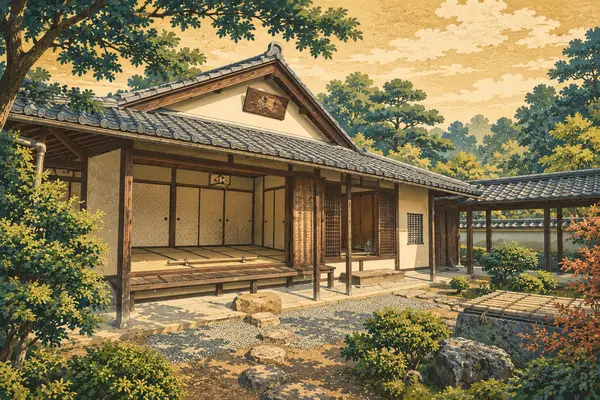
総見院
Toyotomi Hideyoshi built Sokenin to commemorate Oda Nobunaga after his death at Honnoji.
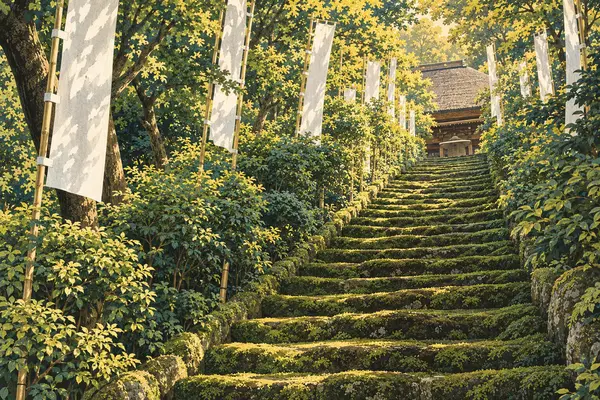
杉本寺
The temple tradition says its three Kannon images escaped a fire beneath a cedar, inspiring the name Sugimoto, meaning below the cedar.
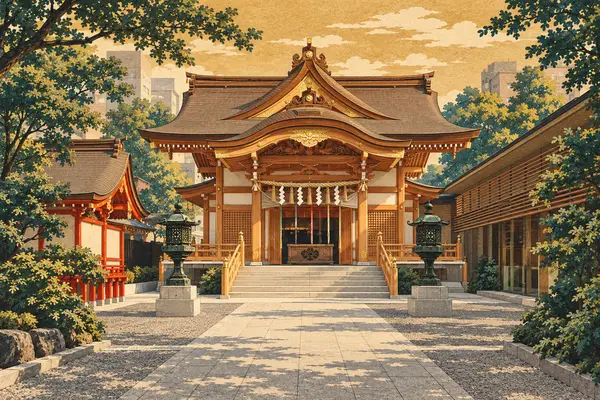
水天宮
Arima Yorinori brought Suitengū worship to his Edo residence in 1818. The shrine moved to Nihonbashi Kakigarachō in 1872 and completed new buildings in 2016.
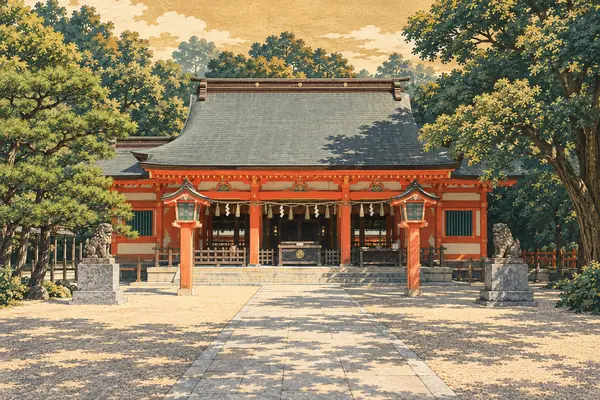
住吉神社
The shrine recounts a history exceeding 1,800 years and describes its traditional position as the earliest Sumiyoshi shrine.
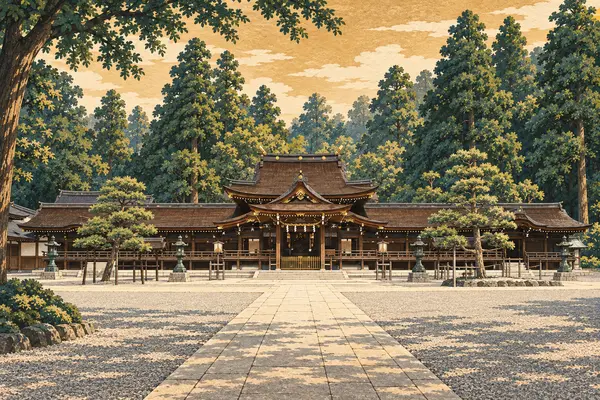
多賀大社
Shrine tradition links Chogen’s longevity prayer at Taga with his later reconstruction of Todaiji.
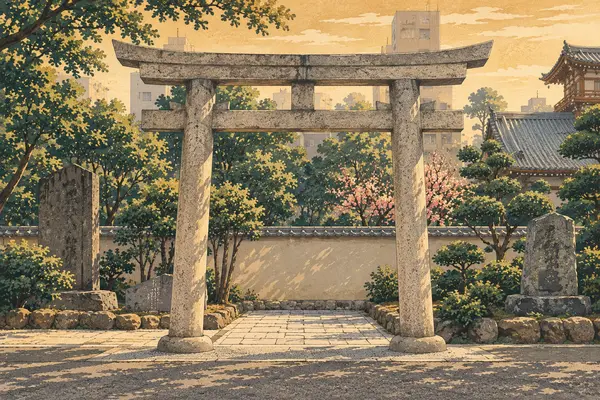
太平寺
The temple estimates that its foundation was nearly four centuries ago.
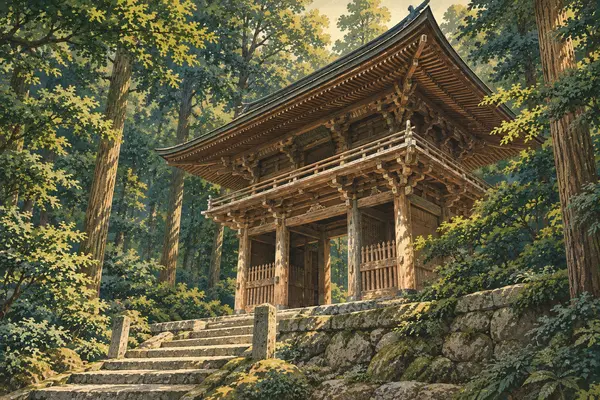
大宝寺
Daihō-ji's foundation account concerns two hunters and a Kannon image, followed by imperial establishment in 701. The association links a later visit by Kūkai with its adoption of Shingon practice and midpoint pilgrimage role.
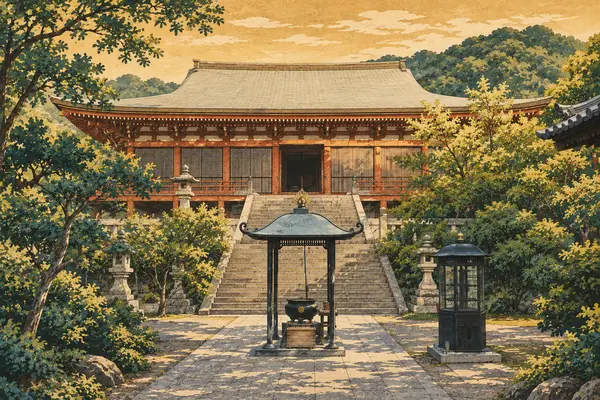
太山寺
The main hall was reconstructed during 1293–1299 after a fire in 1285.
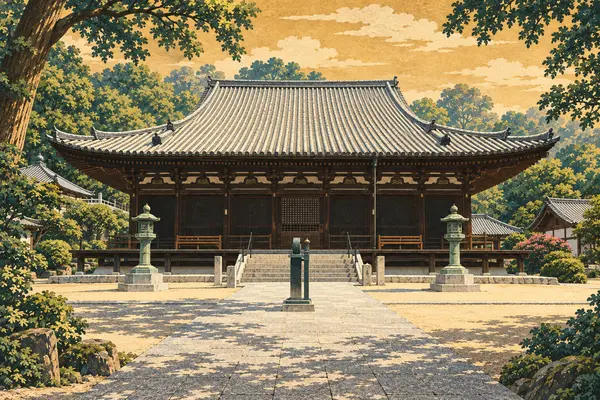
太山寺
Taisan-ji's foundation legend concerns the merchant Mano Chōja surviving a storm and constructing a hall in gratitude to Kannon. The association presents the overnight-building account as temple tradition.
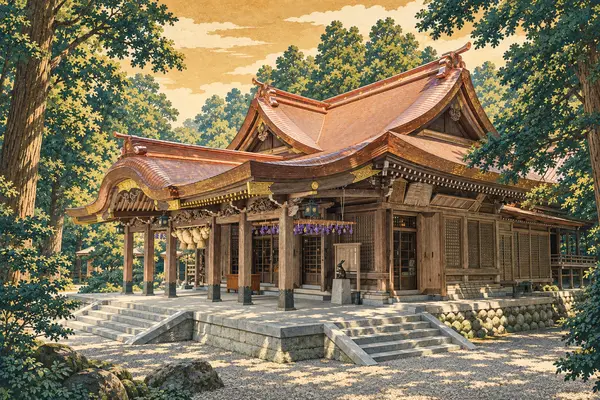
高瀬神社
The shrine was ranked as a prefectural shrine in 1873 and advanced to the national small-shrine rank in 1923.
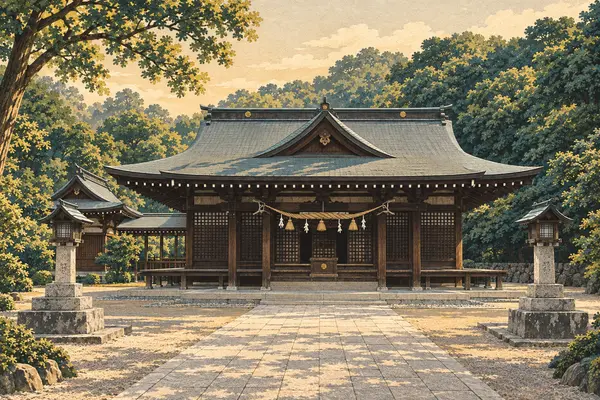
多家神社
The shrine was built at its present site in 1874 after merging Sōsha and Matsuzaki Hachiman. Fire destroyed the sanctuary in 1915, sparing the treasure storehouse; reconstruction followed in 1922.
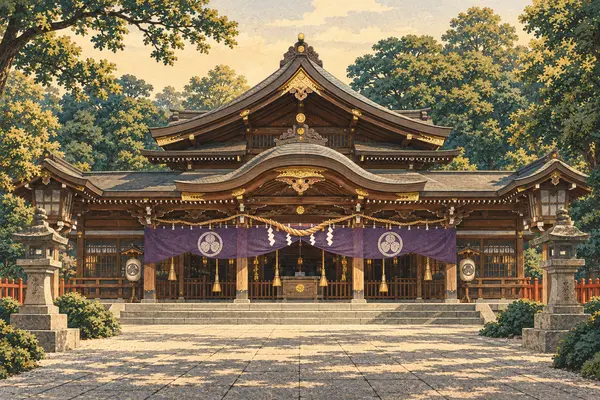
竹駒神社
The shrine’s account attributes its foundation in 842 to Ono no Takamura when he arrived as governor of Mutsu.
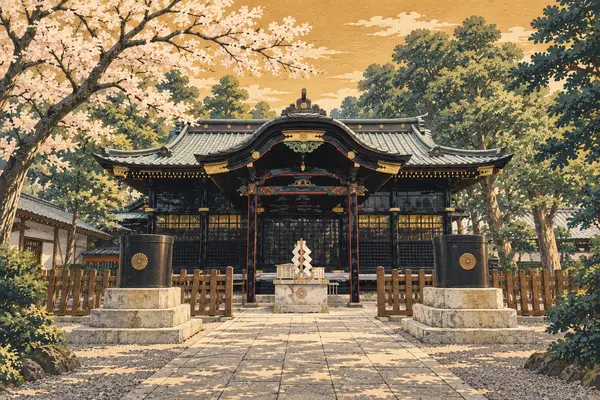
玉前神社
The shrine appears as a Myōjin Taisha in the Heian-period Engishiki shrine register. Fires during the Eiroku era destroyed many buildings and records, leaving its precise origin uncertain.
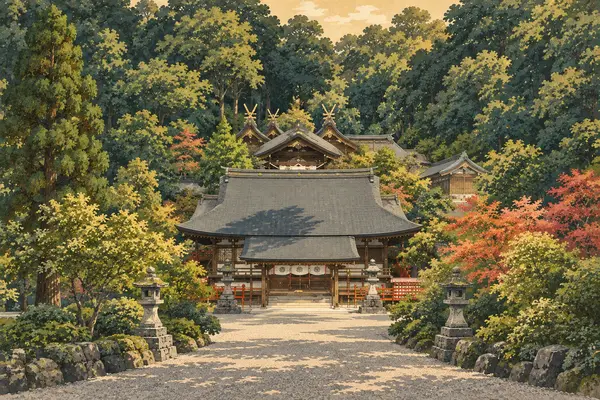
龍田大社
The shrine attributes its origins to an oracle received by Emperor Sujin during crop failure and epidemic. This is explicitly shrine tradition. Its wind deities are Ame no Mihashira and Kuni no Mihashira.
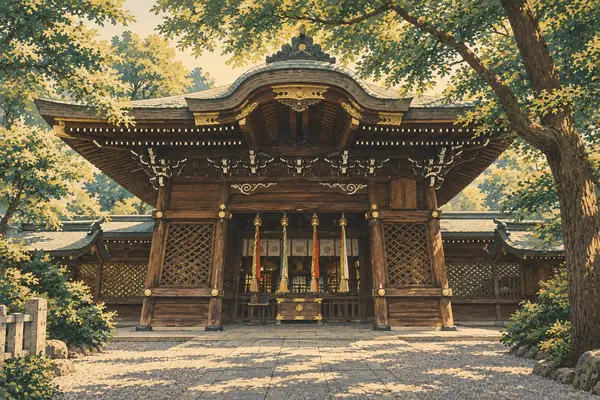
天孫神社
The shrine took its current name, Tenson Jinja, in the early Meiji period.
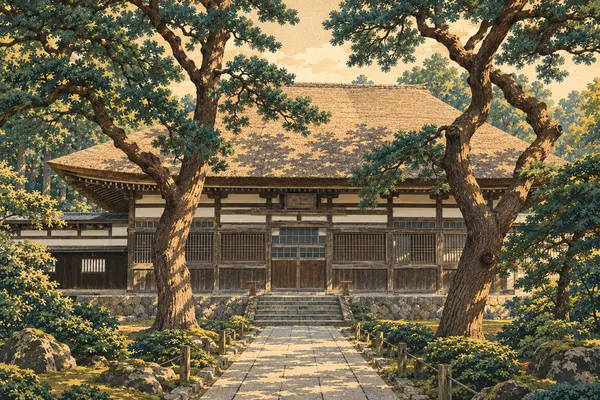
天徳寺
Tentoku-ji moved from Hitachi to Akita with the Satake clan and preserves its successive lords’ mausoleum.
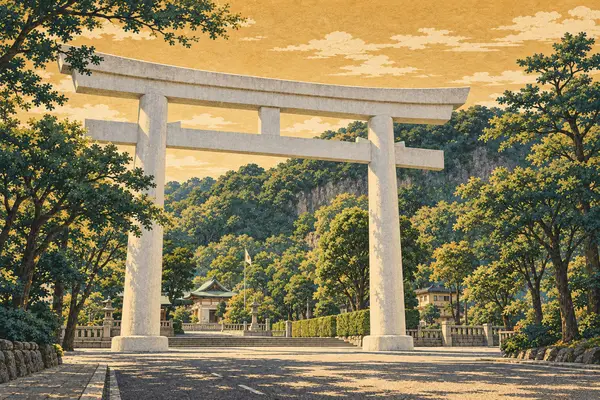
照国神社
The shrine received its deity name in 1863 and completed its buildings in 1864. After wartime destruction in 1945, the main sanctuary was rebuilt in 1958 and the worship hall in 1963.
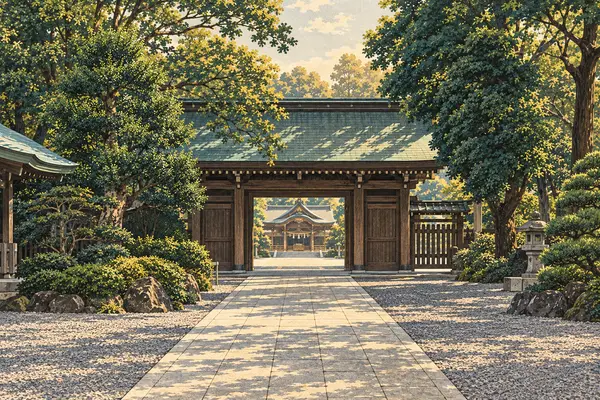
砥鹿神社
Shrine tradition places the creation of the lower Satomiya in the Taiho era,701–704, as a counterpart to the summit shrine.
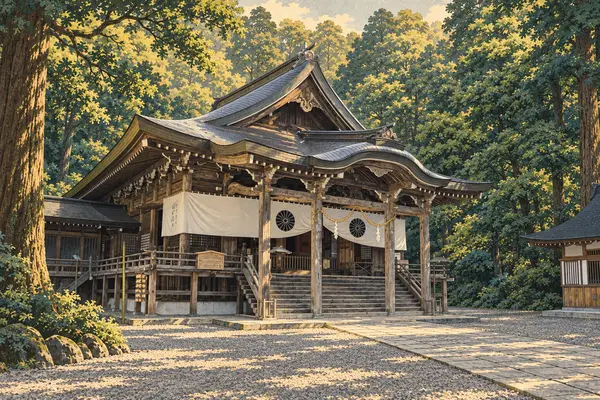
戸隠神社
Togakushi’s formerly combined Buddhist and Shinto worship was reorganized as shrine worship during the early Meiji separation of the religions.
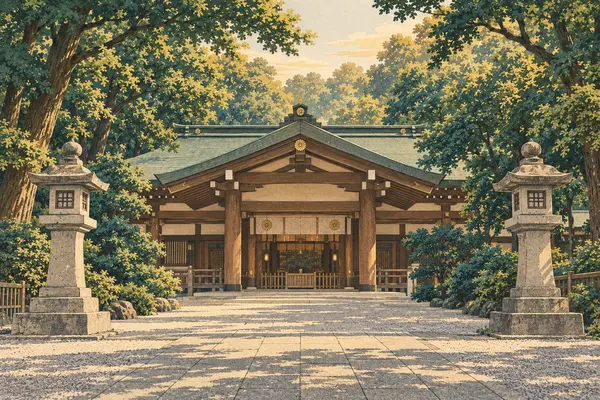
東郷神社
The shrine was created to commemorate Tōgō Heihachirō following public requests and donations after his death in 1934.
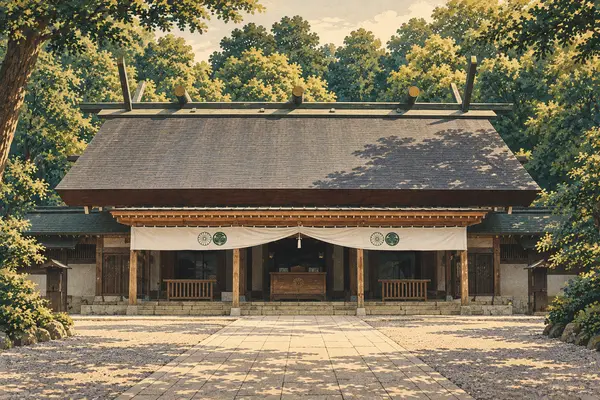
常磐神社
The shrine received the name Tokiwa Jinja in 1873 and moved into new buildings at its present site in 1874.
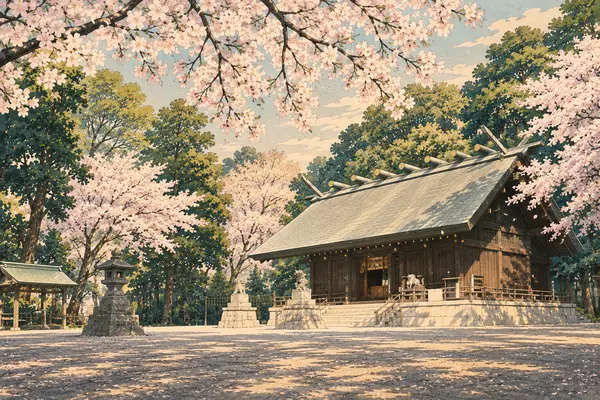
所澤神明社
The present sanctuary was built in 1902; a large cypress worship hall was completed in 1934.
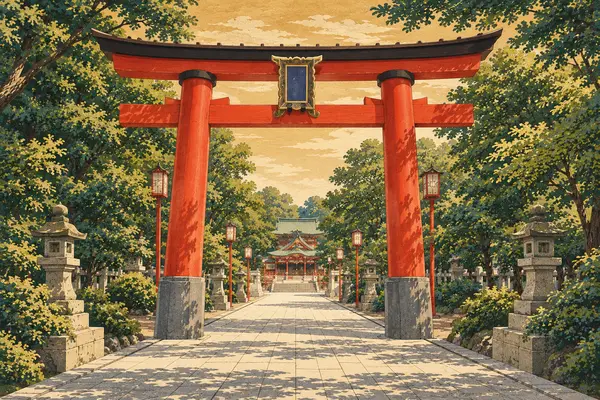
富岡八幡宮
The shrine’s account traces its foundation on Eitai Island to 1627. Surrounding sandbars were reclaimed for the shrine and community.
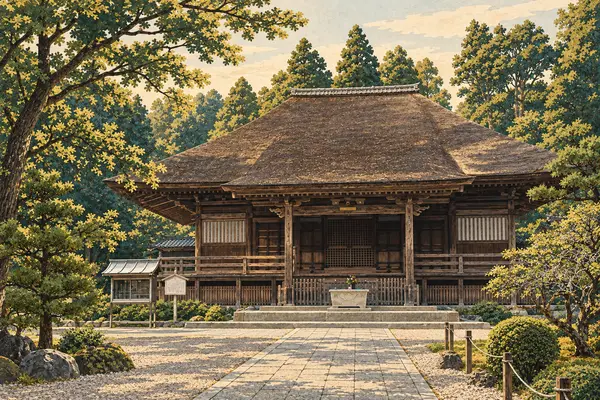
国分寺
Tosa Kokubun-ji belongs to the provincial-temple tradition associated with Emperor Shōmu. The association attributes its opening to Gyōki in 741 and describes its place in Tosa's early religious and administrative landscape.
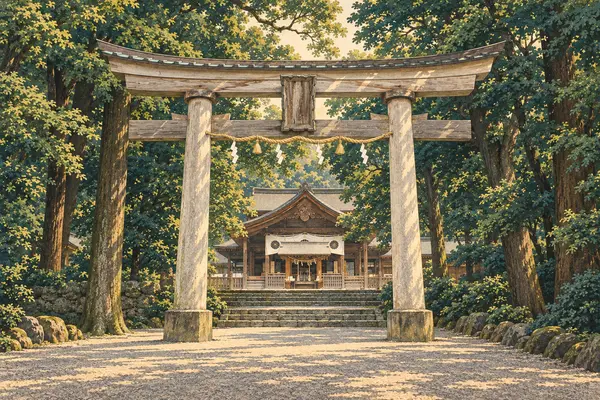
土佐神社
Tosa Shrine has long served as Tosa’s principal shrine. The prefectural tourism guide attributes the surviving shrine buildings to Ch ōsokabe Motochika’s reconstruction and identifies their distinctive dragonfly-shaped architectural arrangement.
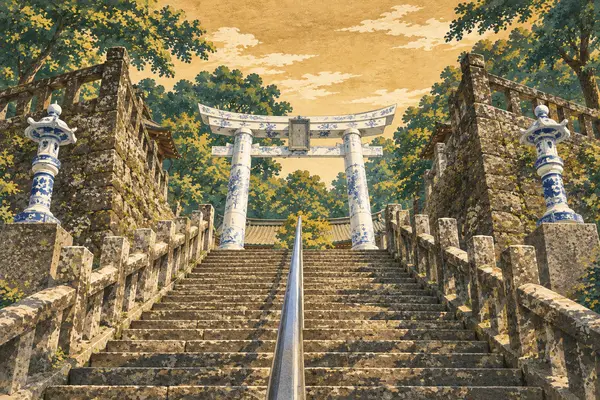
陶山神社
The shrine was established as Arita Sarayama’s communal Hachiman shrine in the first year of Manji,1658. It took the name Tozan Shrine in 1871.
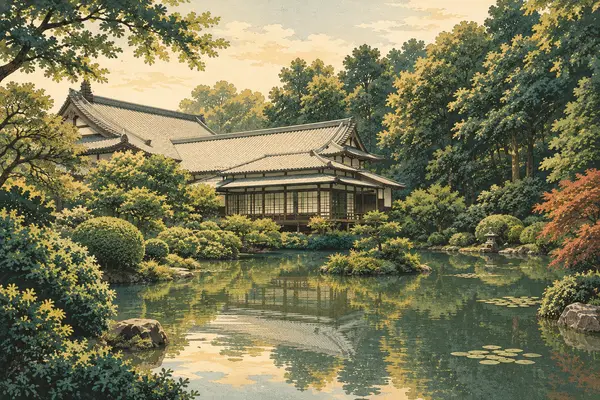
東禅寺
Founded in 1610 at Soto Sakurada, Tōzen-ji moved to its present Takanawa site in 1636.
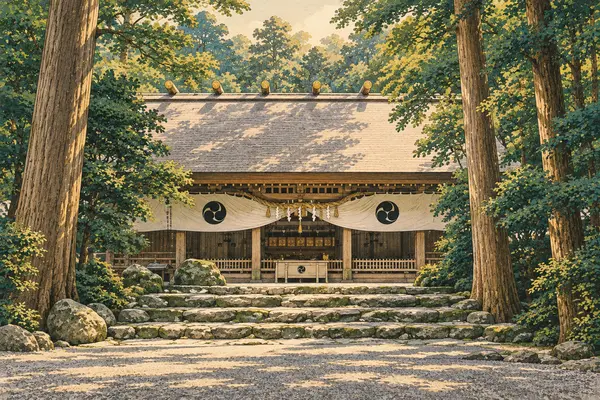
椿大神社
Shrine tradition attributes its establishment to an oracle received by Yamatohime during Emperor Suinin’s reign.
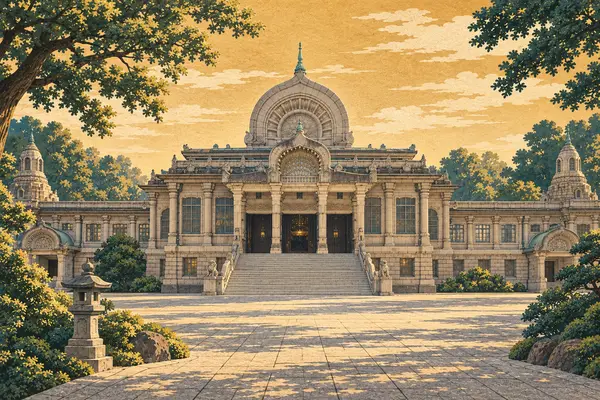
築地本願寺
Founded near Asakusa in 1617, the temple rebuilt on reclaimed land after the 1657 fire. Its present main hall was completed in 1934.
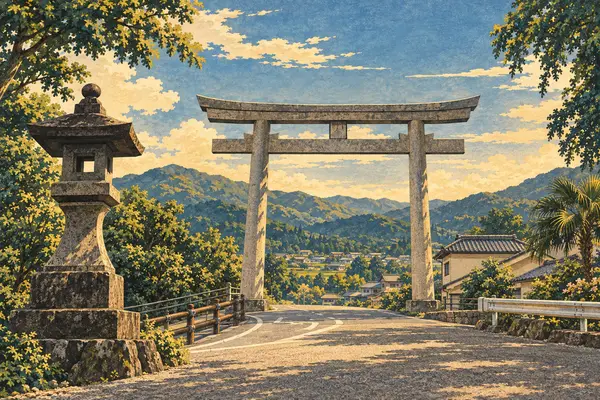
都農神社
Following deterioration of the earlier shrine, a rebuilding association was formed in 2002, and the present buildings were completed on 7 July 2007.
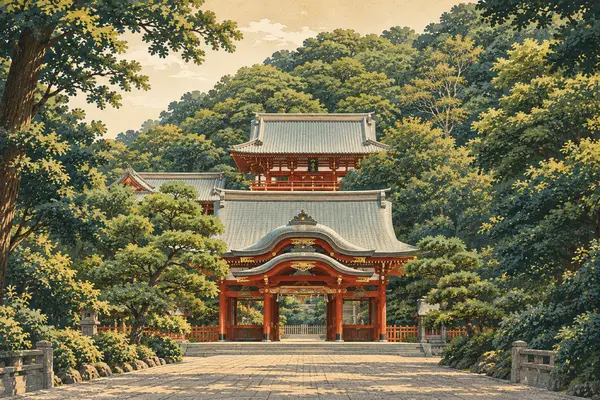
鶴岡八幡宮
Minamoto no Yoritomo moved the shrine to the present vicinity in 1180. Following a 1191 fire, he reconstructed it in the upper and lower shrine arrangement.
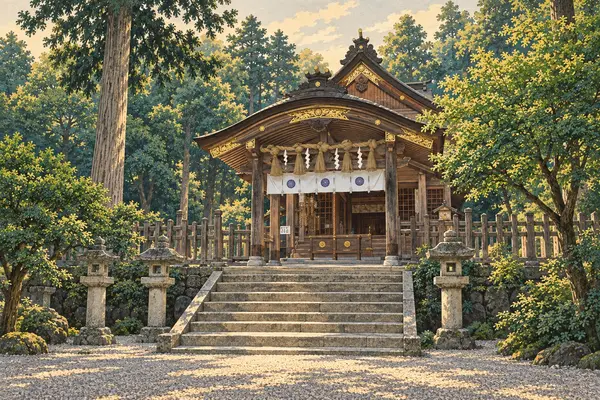
宇倍神社
Ube Shrine attributes its foundation in 648 to its traditional history. It enshrines Takenouchi no Sukune; the official account separately dates the present buildings to 1898 and describes their depiction on Japanese banknotes.
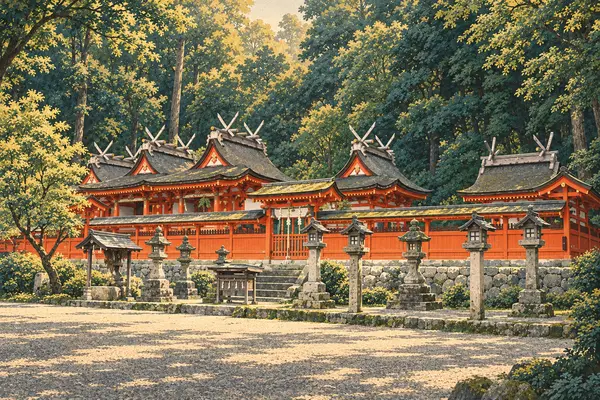
宇太水分神社
The three Kamakura-period main sanctuaries were designated National Treasures on March 20, 1954; two subsidiary shrine buildings received Important Cultural Property designations.
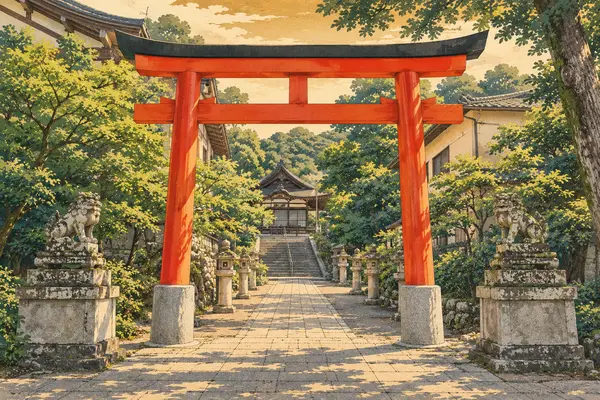
宇治神社
Uji Shrine’s present main sanctuary dates to the early Kamakura period.
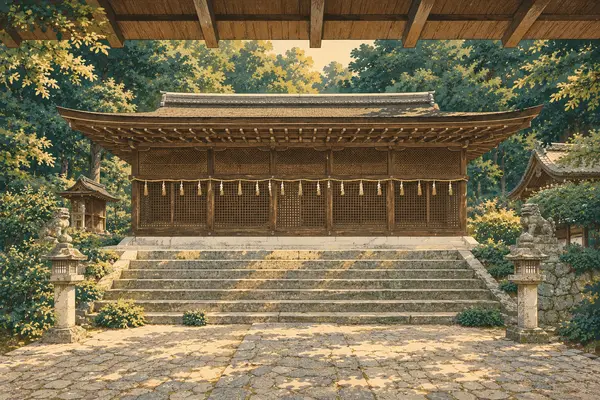
宇治上神社
The shrine’s origin story connects its foundation with the burial of Prince Uji no Wakiiratsuko.
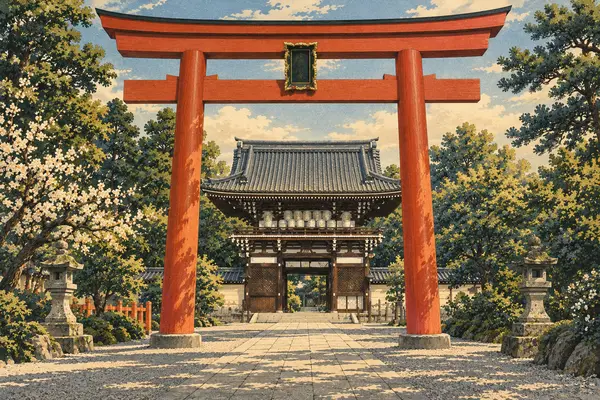
梅宮大社
Shrine tradition attributes its origins to Tachibana no Michiyo and its move here to Empress Danrin.
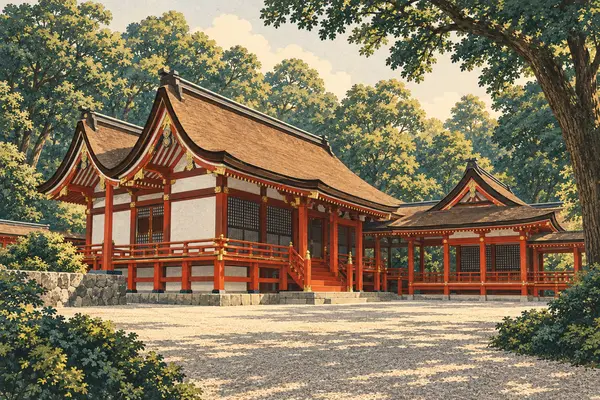
宇佐神宮
The shrine tradition dates Hachiman’s manifestation at Usa to 571 and construction of his first shrine hall to 725.
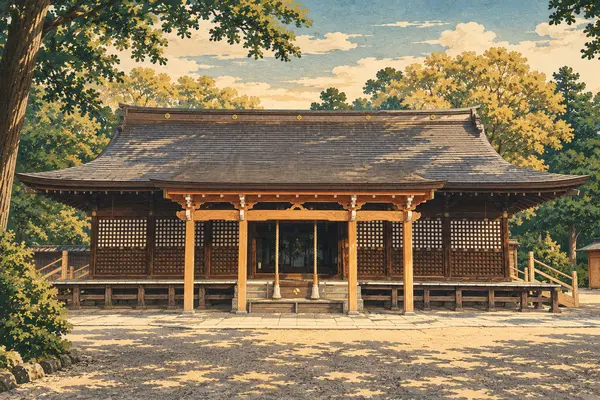
鷲宮神社
The shrine’s origin story attributes its beginnings to Ame-no-Hohi and his son Takehinatori leading an Izumo group to establish a sanctuary.
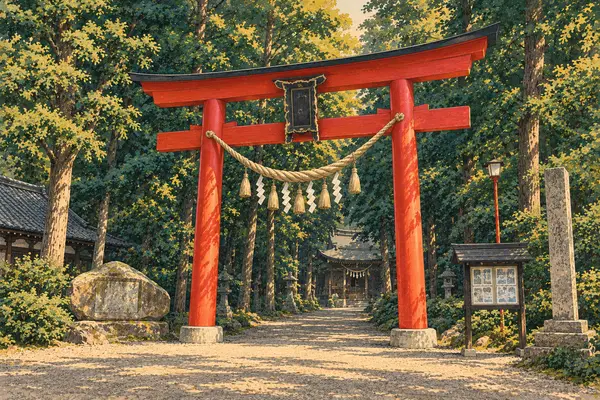
度津神社
The shrine is one of Sado’s nine shrines listed in the 927 Engishiki register. The tourism account attributes its relocation to a 1470 flood, while noting that its earlier origins remain unclear.
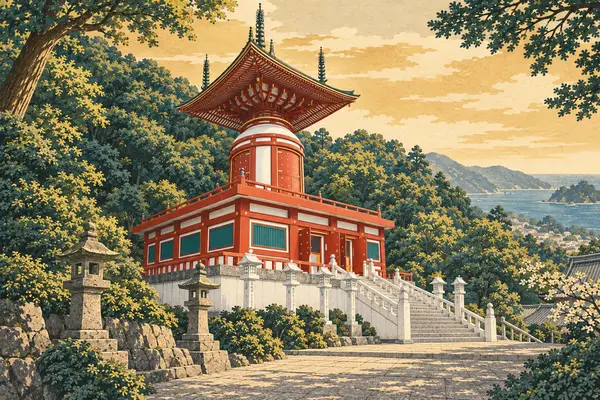
薬王寺
Yakuō-ji's origin account attributes its foundation to Gyōki and links its protection prayers to Kūkai. Its steps and halls are associated with traditional ages of misfortune; later fire and rebuilding form part of its history.
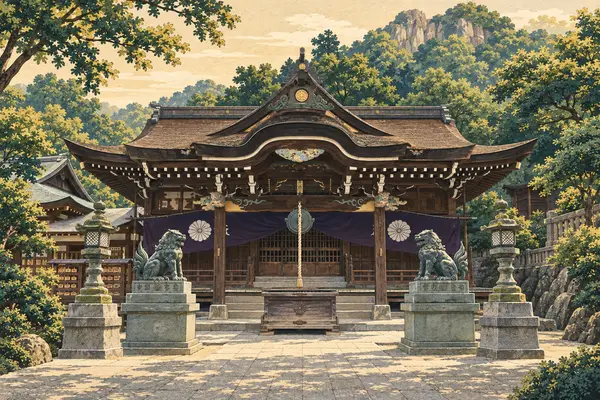
八栗寺
Yakuriji's founding and name traditions connect Kūkai with five swords and eight chestnuts that sprouted. The association records later destruction and Edo-period rebuilding; the miraculous elements remain explicitly attributed religious narratives.
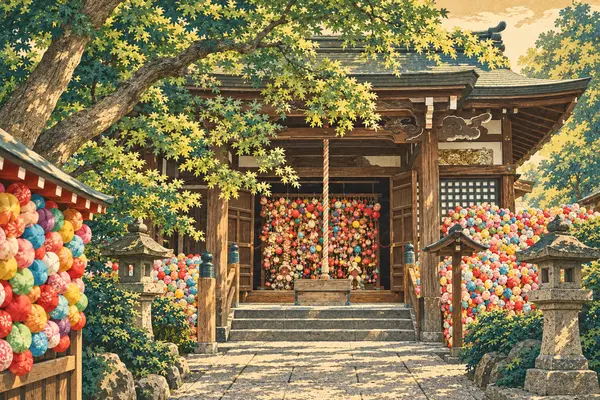
金剛寺
Kongō-ji, also called Yasaka Kōshin-dō, has an uncertain foundation date and a long Kōshin worship tradition.
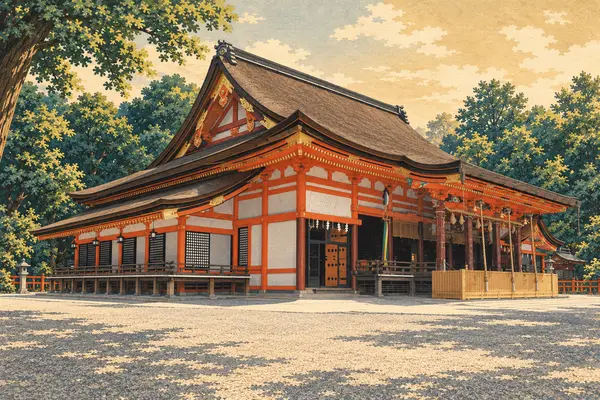
八坂神社
Competing foundation traditions describe origins in 656 or 876.
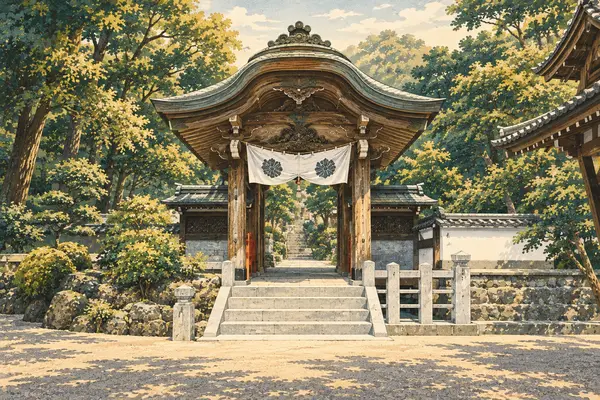
八坂寺
Yasaka-ji's origin tradition connects it with En no Gyōja and construction under Emperor Monmu in 701. The association explains its name through the opening of eight hillside approaches and the wish for continued prosperity.
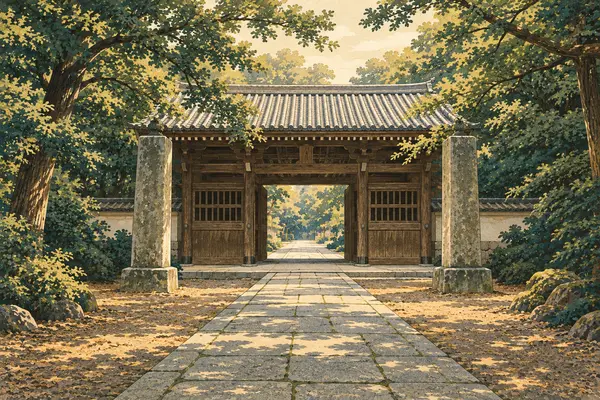
屋島寺
Yashima-ji's origin account concerns Ganjin and a temple on Yashima's northern ridge. It links a later relocation to Kūkai and describes the present medieval hall and principal image separately from that early tradition.
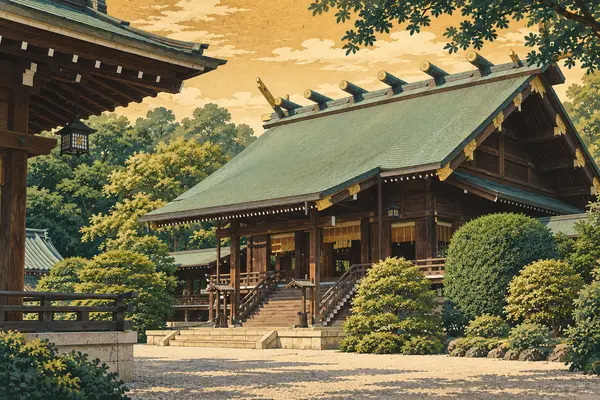
靖国神社
The shrine began as Tokyo Shōkonsha in 1869 and was renamed Yasukuni Jinja in 1879.
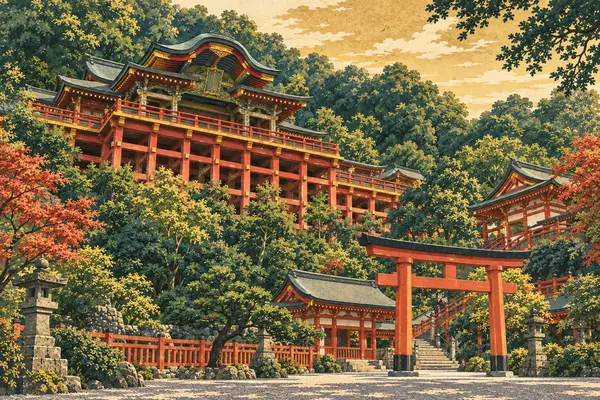
祐徳稲荷神社
Kazanin Manko established Yutoku Inari in 1687 by enshrining a divided spirit of Inari.
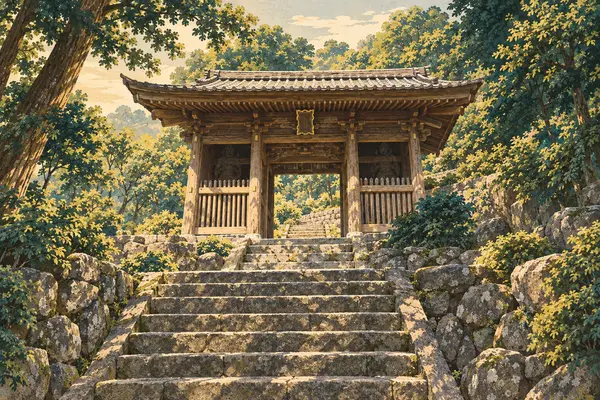
禅師峰寺
Zenjibu-ji's origin account concerns Gyōki's prayers for safe sea travel and later practice by Kūkai. Its hilltop location above Tosa Bay remains connected with worship for protection at sea.
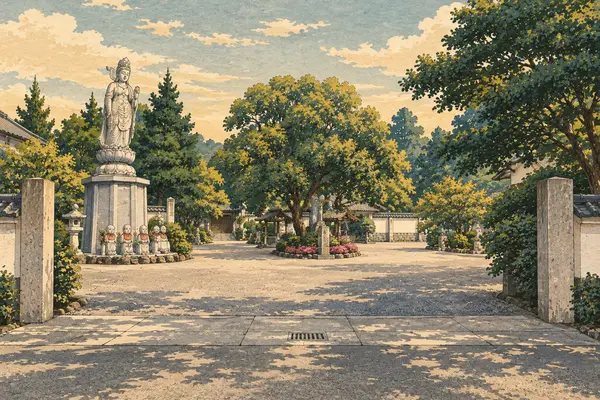
善楽寺
Zenraku-ji's founding account links it to Kūkai and the neighboring Tosa shrine. The association records its restoration in 1929 after the separation of Buddhism and Shinto and the resolution of pilgrimage status in 1994.
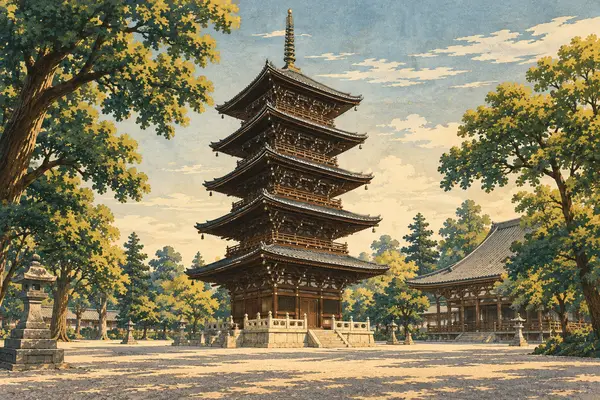
善通寺
Zentsū-ji's origin account links Kūkai, his father's donated land and a temple modeled on Chang'an's Qinglong Temple. Zentsū-ji and Tanjō-in operated separately until their Meiji-period union; it is now a Shingon head temple.
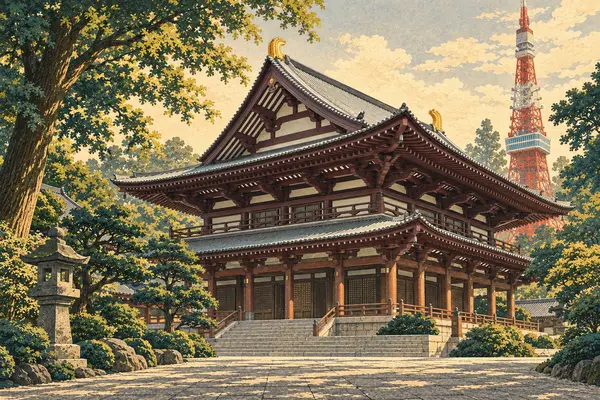
増上寺
Zōjō-ji moved to its present Shiba location in 1598 after becoming the Tokugawa family temple in 1590.
No places match these filters. Try a different name, prefecture, or era.