
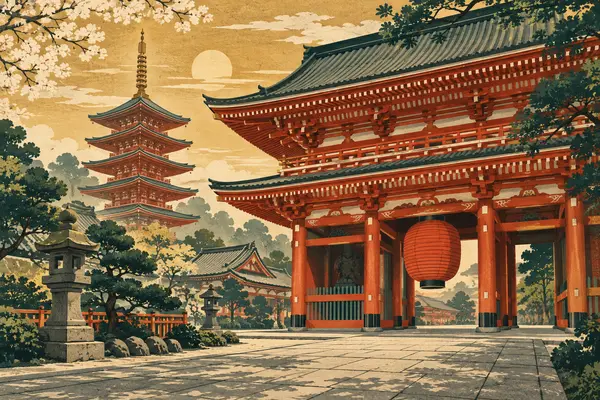
浅草寺
Sensō-ji
The temple’s origin tradition says the Hinokuma brothers found a Kannon image in the river in 628, leading to worship on this site.
Discover the places in this prefecture, with original illustrations and links to visitor sources.
36 places
18 Temples · 18 ShrinesBrowse places by founding, rebuilding, and other events in each historical era.
浅草寺
The temple’s origin tradition says the Hinokuma brothers found a Kannon image in the river in 628, leading to worship on this site.
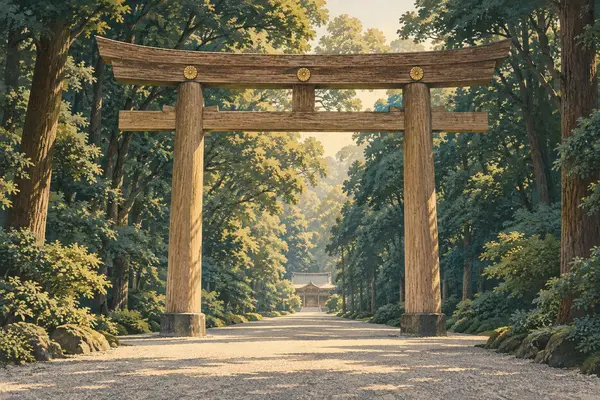
明治神宮
Meiji Jingū was founded in 1920 to enshrine Emperor Meiji and Empress Shōken. Its planted forest was created with trees donated from across Japan.
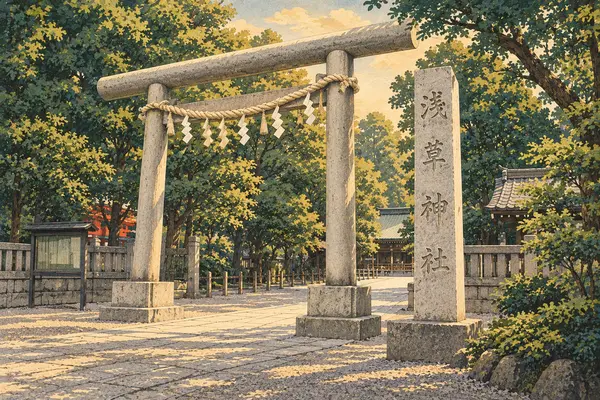
浅草神社
Tokugawa Iemitsu donated the present shrine buildings in 1649; they survived later fires, the Great Kantō Earthquake and war.
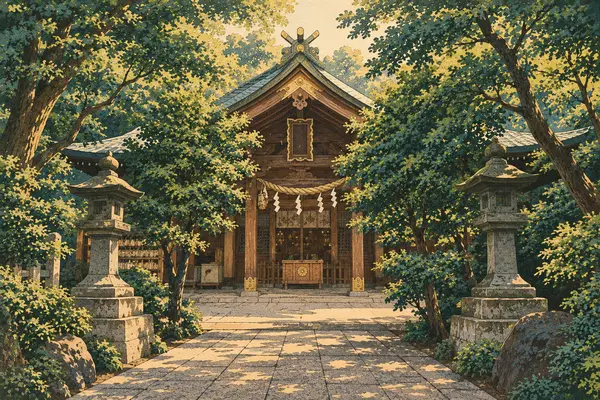
愛宕神社
Tokugawa Ieyasu ordered this fire-protection shrine established in 1603; the present sanctuary buildings were rebuilt in September 1958.
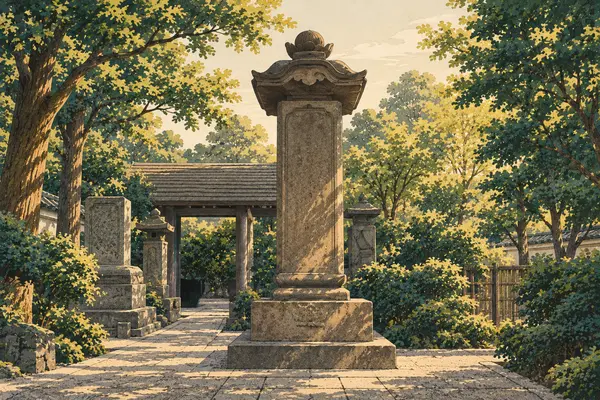
回向院
Ekō-in began in 1657 when Tokugawa Ietsuna provided this site to bury and memorialize unidentified victims of the Great Meireki Fire.
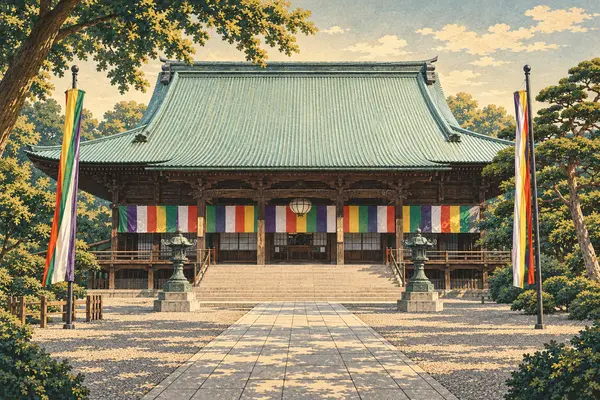
護国寺
Tokugawa Tsunayoshi founded Gokoku-ji in 1681 at the request of his mother Keishō-in.
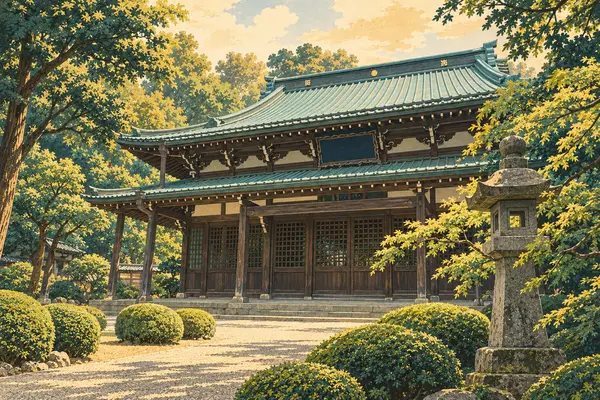
豪徳寺
The temple’s Buddha hall was built in 1677 and its bell cast by Fujiwara Masatsugu in 1679.
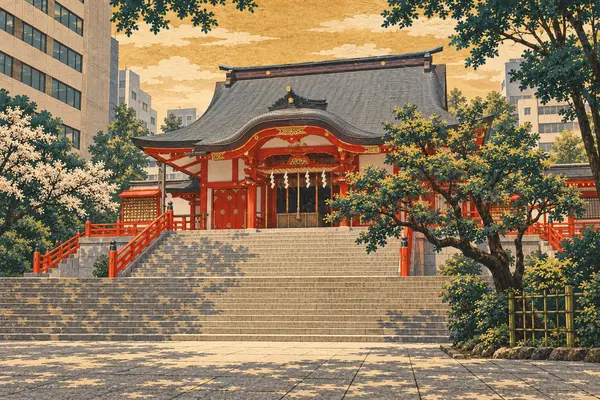
花園神社
The present reinforced-concrete sanctuary and office were completed in June 1965 after postwar rebuilding and deterioration.
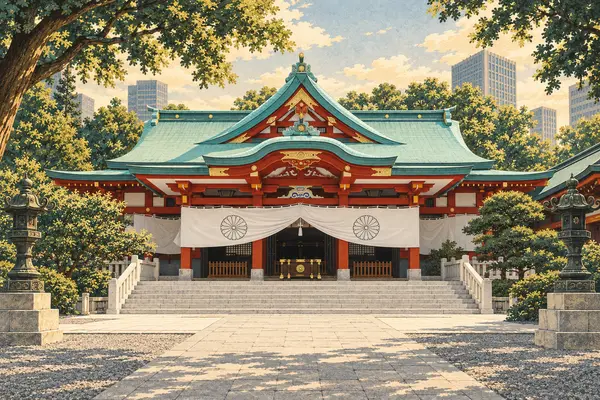
日枝神社
After destruction in 1945, the shrine carried out a major reconstruction, holding the new main-sanctuary enshrinement ceremony in June 1958.
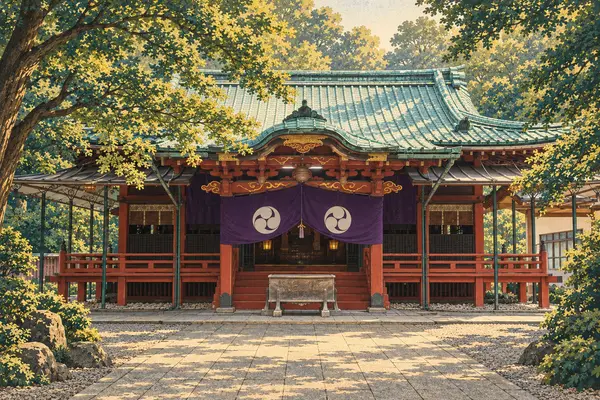
氷川神社 (赤坂)
Tokugawa Yoshimune commissioned the present buildings in 1729; the shrine transferred here from Hitotsugi in April 1730.
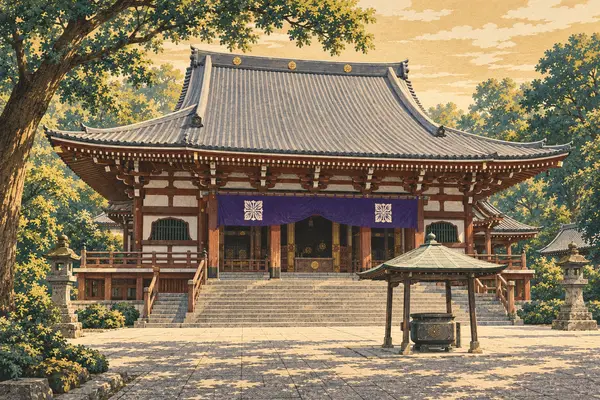
池上本門寺
Nichiren died at Ikegami in 1282; the temple preserves the site’s commemorative tradition.
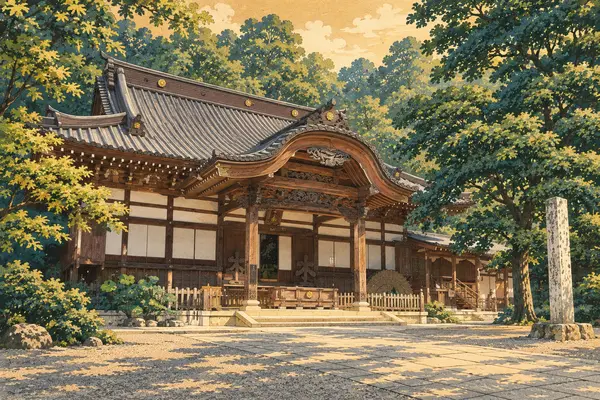
深大寺
The temple preserves a bronze ritual chime cast in 1267, formerly used at its Jinja Daiō hall and later returned from Zenshō-ji.
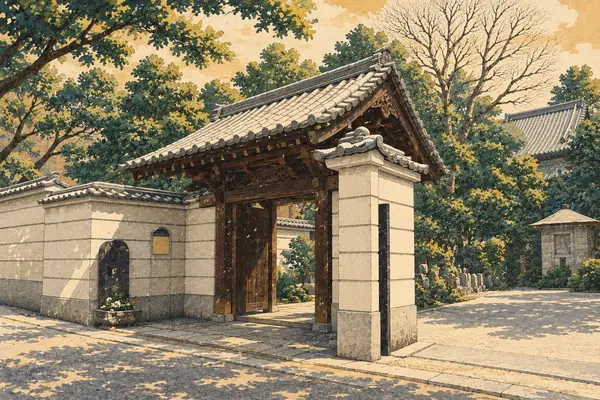
浄閑寺
Jōkan-ji was founded in 1655 by Seiyo Junpa.
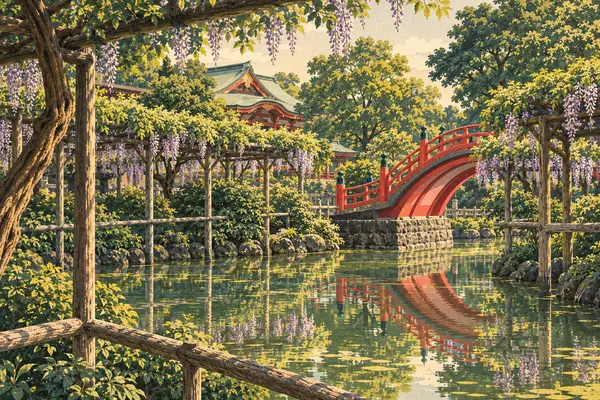
亀戸天神社
In 1662 the shrine complex was built in imitation of Dazaifu Tenmangū, including its halls, pond and arched bridges.
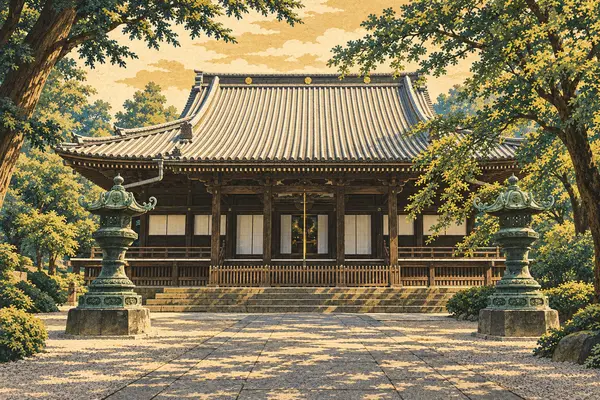
寛永寺
Tenkai established Kan’ei-ji in 1625 to pray for the Tokugawa government and the peace of the people.
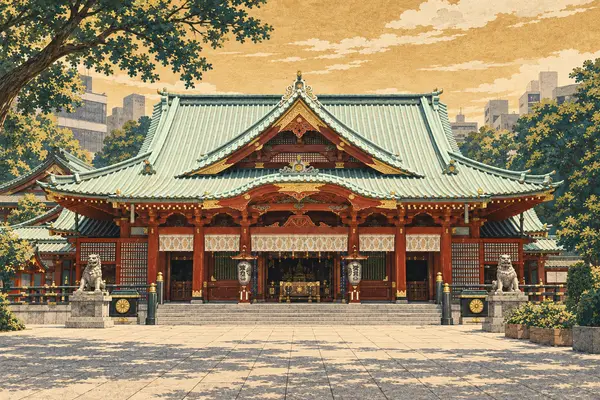
神田明神
The shrine transferred to its present site in 1616 to protect Edo Castle’s northeast direction. The current reinforced-concrete sanctuary was rebuilt in 1934.
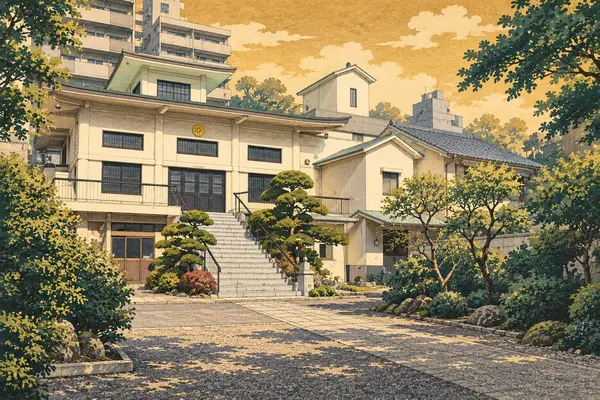
曹源寺
The temple was founded near Wadakura Gate in May 1588.
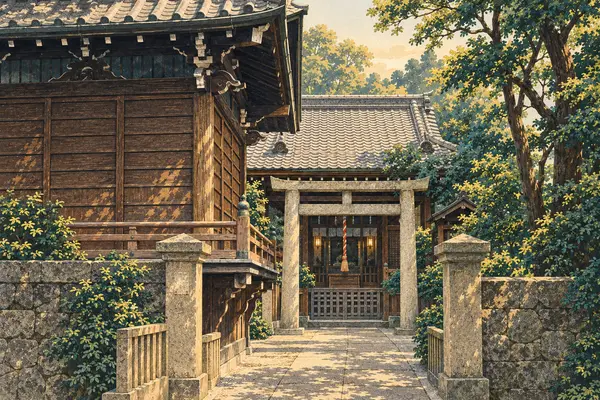
丸山神社
The city district newsletter describes a large sword donated to Maruyama Shrine and formerly displayed during Takanawa Shrine’s festival.
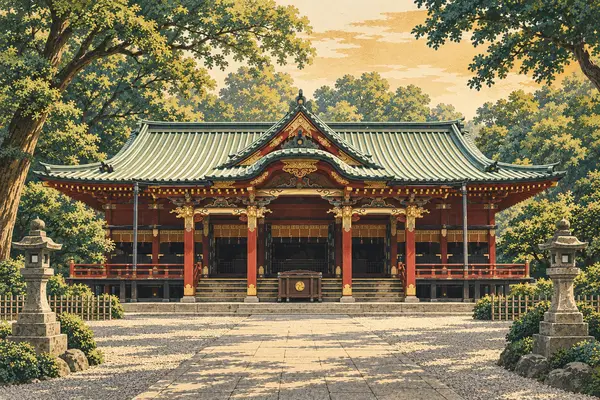
根津神社
Tokugawa Tsunayoshi donated the present site and commissioned new buildings, completed for the 1706 transfer from Sendagi.
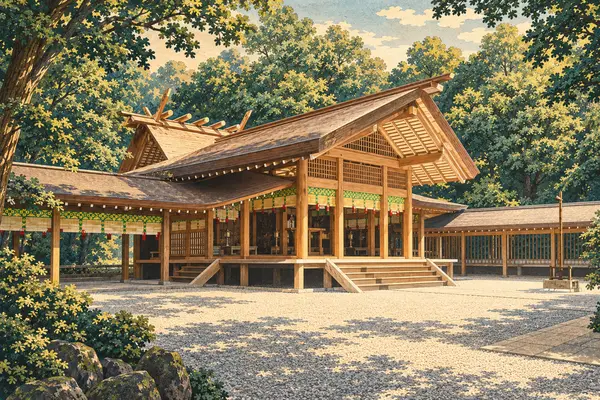
乃木神社
Nogi Shrine’s enshrinement ceremony took place on November 1, 1923; its sanctuary was rebuilt in 1962 after wartime destruction.
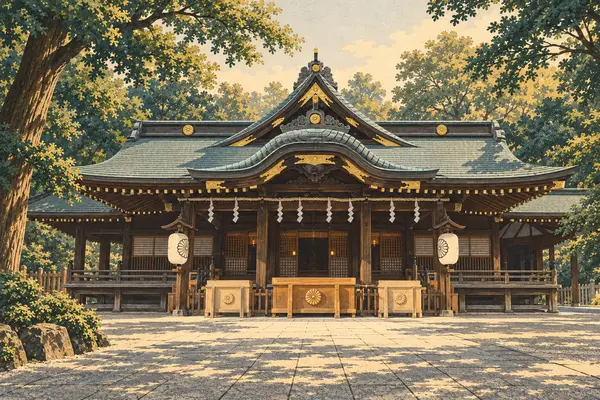
大國魂神社
The shrine’s origin account says it was established in 111 following an oracle of Ōkunitama no Ōkami.
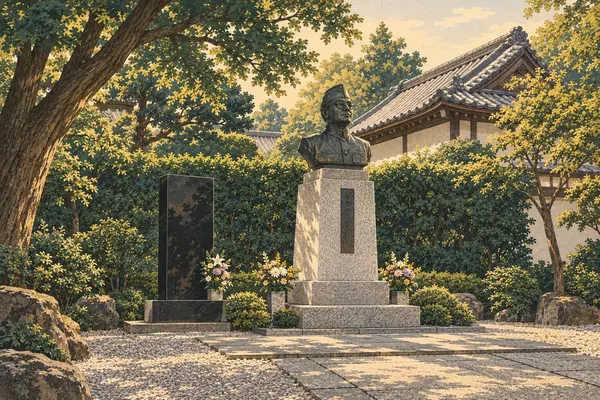
蓮光寺
Renkō-ji is associated with Japan–India remembrance of Subhas Chandra Bose. Suginami’s municipal walking guide describes his memorial in the grounds and the temple’s custodial role regarding the remains attributed to him.
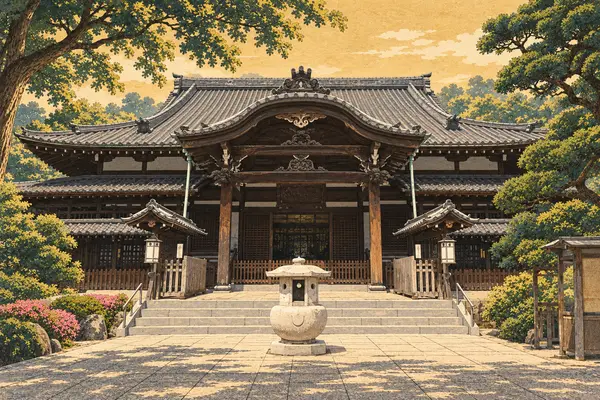
泉岳寺
Tokugawa Ieyasu founded Sengaku-ji in Soto Sakurada in 1612; it moved to Takanawa after the 1641 fire.
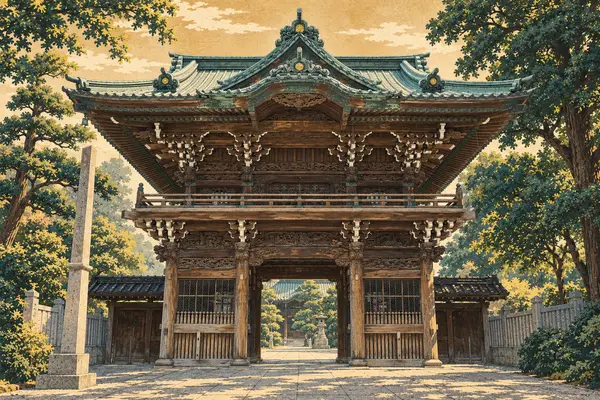
柴又帝釈天
Daikyō-ji was established in 1629 with Nitchū of Nakayama Hokekyō-ji honored as its founding teacher.
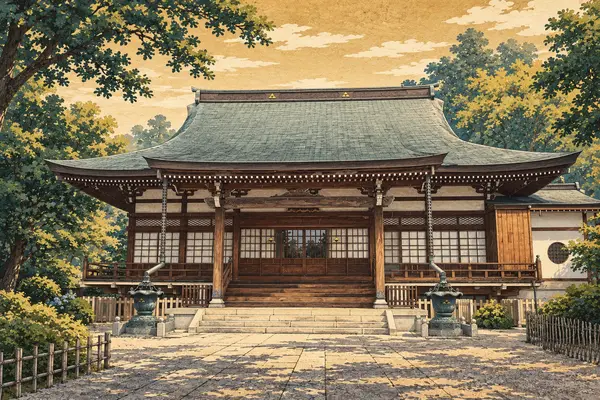
正福寺
The temple’s foundation tradition links Hōjō Tokimune’s recovery from illness to an encounter with Jizō in a dream.
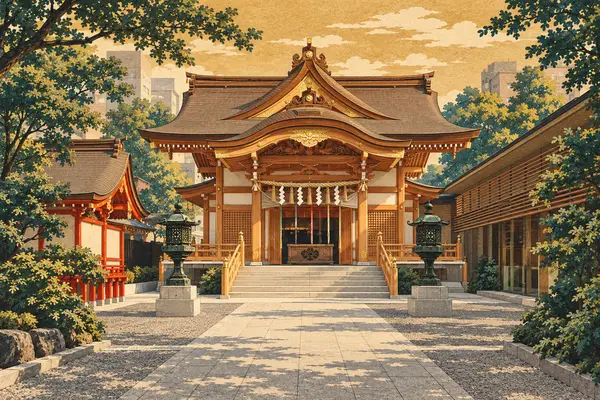
水天宮
Arima Yorinori brought Suitengū worship to his Edo residence in 1818. The shrine moved to Nihonbashi Kakigarachō in 1872 and completed new buildings in 2016.
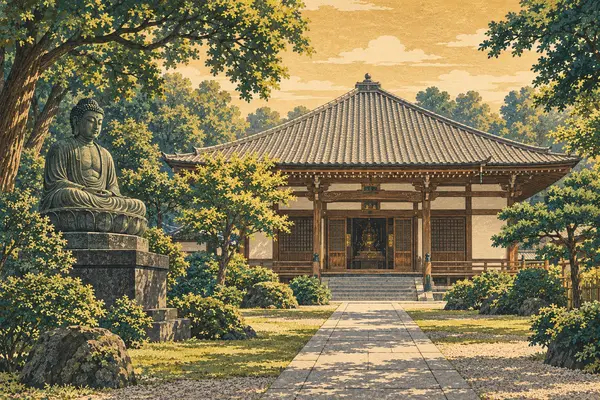
天王寺
The temple took its present name, Gokokuzan Tennō-ji, in 1833 after earlier being known as Chōyōzan Kannō-ji.
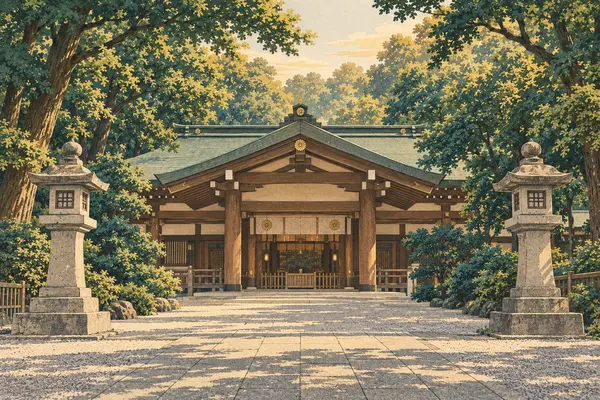
東郷神社
The shrine was created to commemorate Tōgō Heihachirō following public requests and donations after his death in 1934.
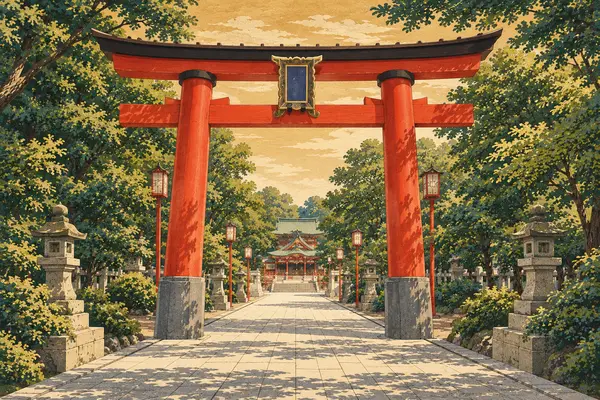
富岡八幡宮
The shrine’s account traces its foundation on Eitai Island to 1627. Surrounding sandbars were reclaimed for the shrine and community.
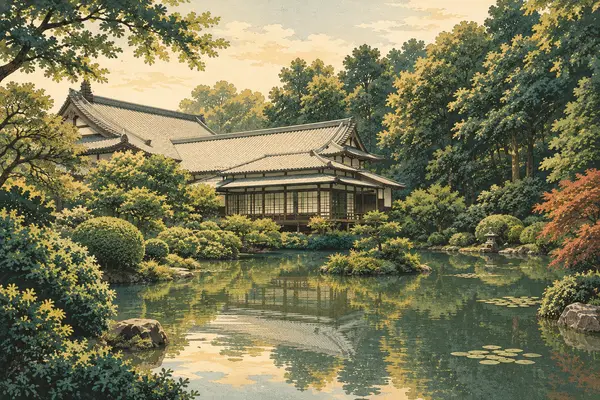
東禅寺
Founded in 1610 at Soto Sakurada, Tōzen-ji moved to its present Takanawa site in 1636.
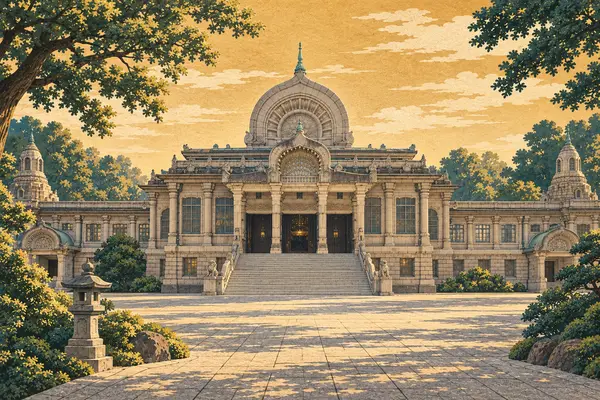
築地本願寺
Founded near Asakusa in 1617, the temple rebuilt on reclaimed land after the 1657 fire. Its present main hall was completed in 1934.
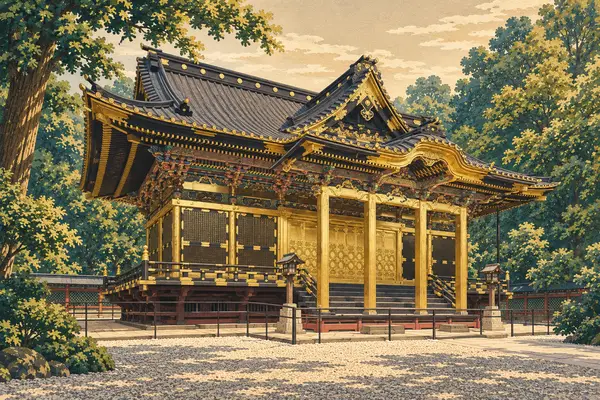
上野東照宮
Ueno Tōshōgū was founded in 1627 to enshrine Tokugawa Ieyasu.
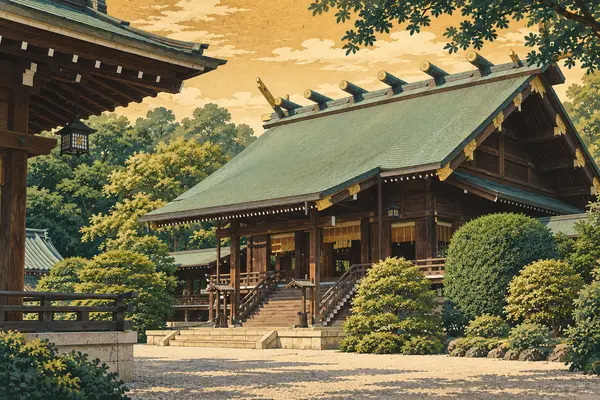
靖国神社
The shrine began as Tokyo Shōkonsha in 1869 and was renamed Yasukuni Jinja in 1879.
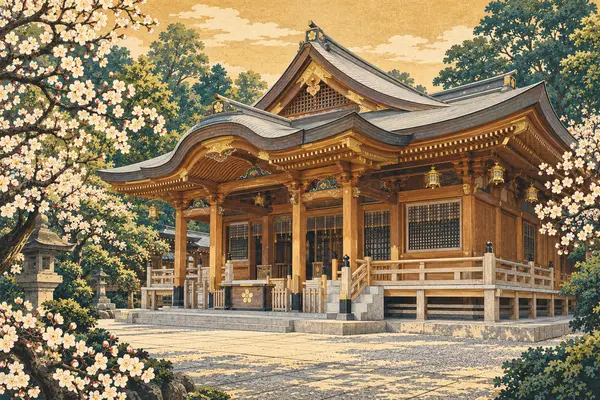
湯島天満宮
The present cypress-built sanctuary was completed in 1995.
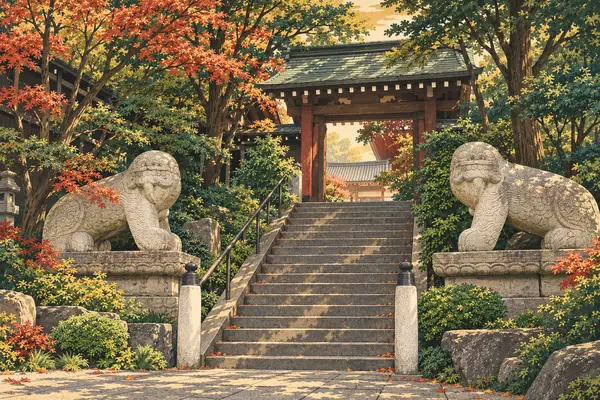
善養寺
The temple’s large kaya tree was designated a Tokyo natural monument in 1964.
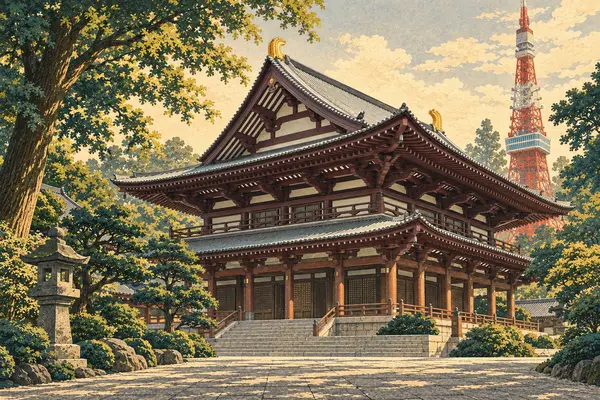
増上寺
Zōjō-ji moved to its present Shiba location in 1598 after becoming the Tokugawa family temple in 1590.
No places match these filters. Try a different name, prefecture, or era.