
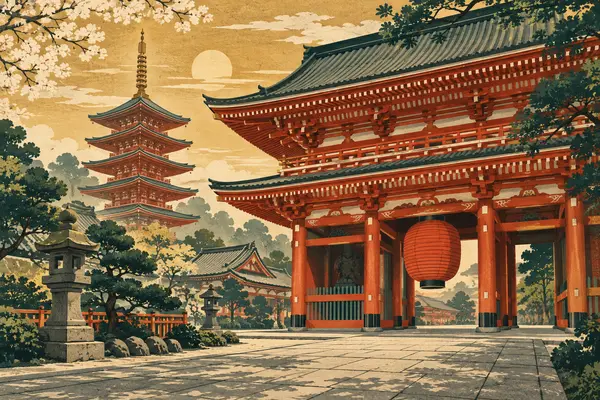
浅草寺
Sensō-ji
The temple’s origin tradition says the Hinokuma brothers found a Kannon image in the river in 628, leading to worship on this site.
Buddhist temples and Shinto shrines, from Hokkaido to Okinawa.
36 places
20 Temples · 16 ShrinesBrowse places by founding, rebuilding, and other events in each historical era.
浅草寺
The temple’s origin tradition says the Hinokuma brothers found a Kannon image in the river in 628, leading to worship on this site.
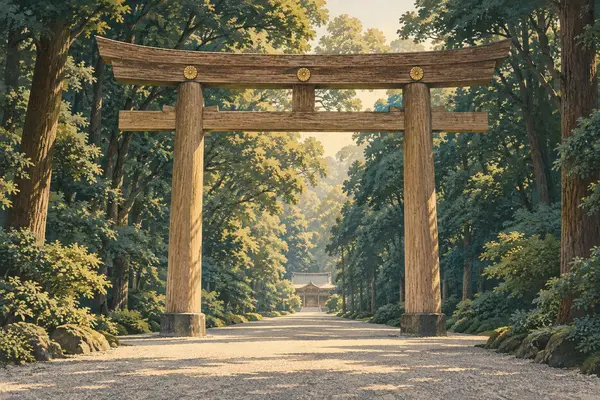
明治神宮
Meiji Jingū was founded in 1920 to enshrine Emperor Meiji and Empress Shōken. Its planted forest was created with trees donated from across Japan.
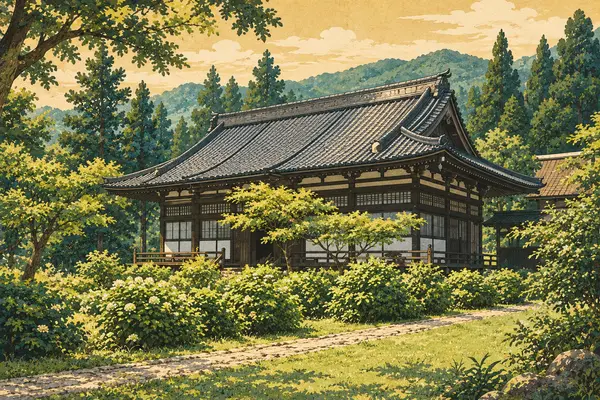
安泰寺
Antai-ji relocated from Kyoto to rural Tajima in 1976 to continue its self-sufficient Zen training.
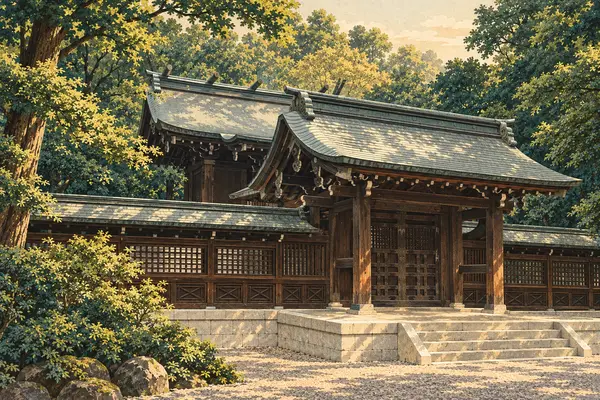
青葉神社
Its first halls were completed in November 1874; the present worship hall was built in 1927.
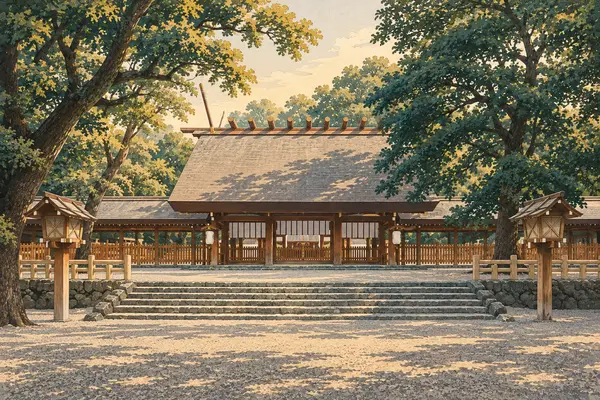
熱田神宮
The shrine was rebuilt in 1955 after damage in the 1945 air raids.
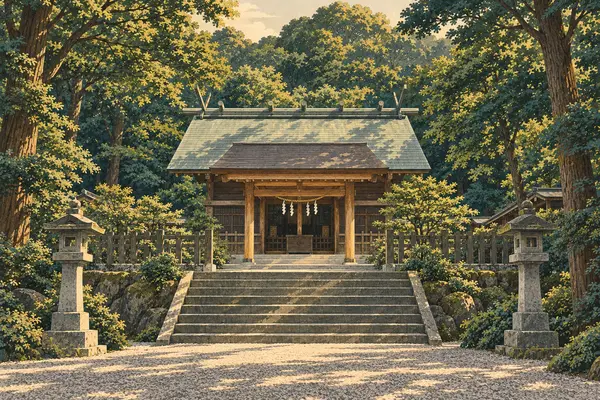
安房神社
The shrine became a Beppyō Jinja under the postwar Association of Shinto Shrines in 1946.
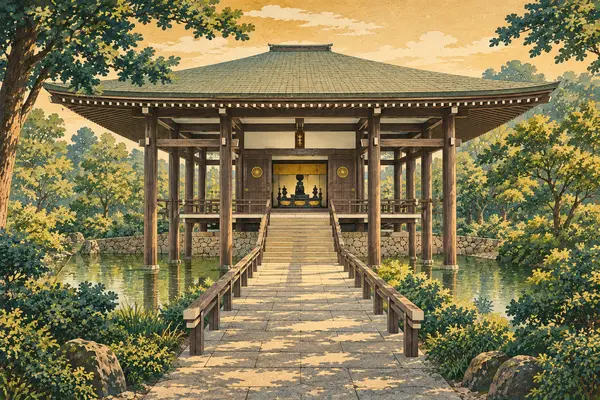
中宮寺
Excavations in 1963 confirmed the original temple’s south-pagoda, north-main-hall arrangement east of the present site.
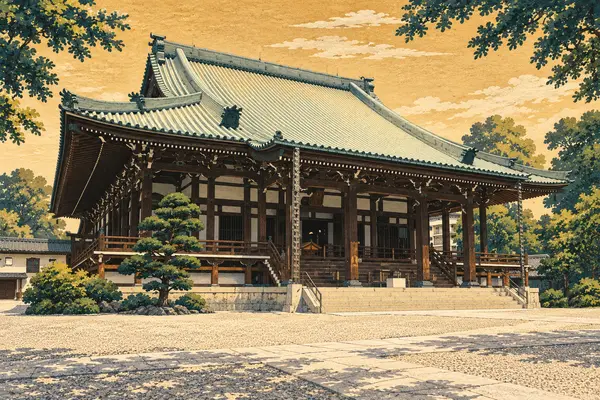
大念仏寺
The present main hall was completed in 1938.
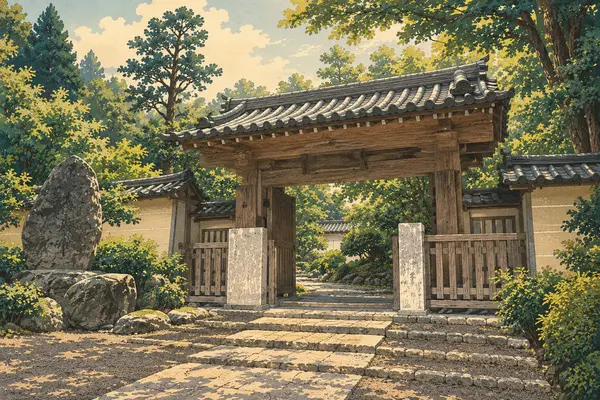
檀林寺
The present Danrinji was reestablished in 1964. The older temple associated with Empress Tachibana had ceased to exist.
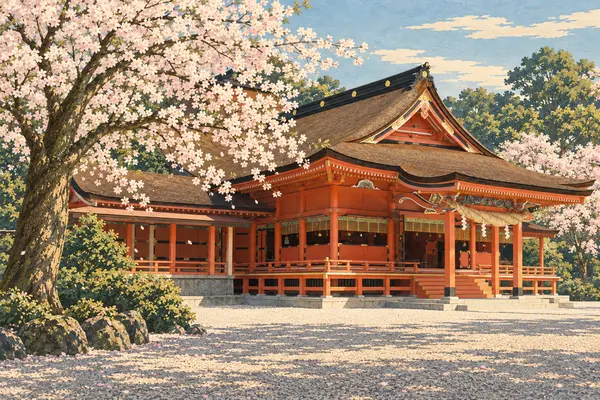
富士山本宮浅間大社
The shrine adopted its present official name, Fujisan Hongu Sengen Taisha, in 1982.
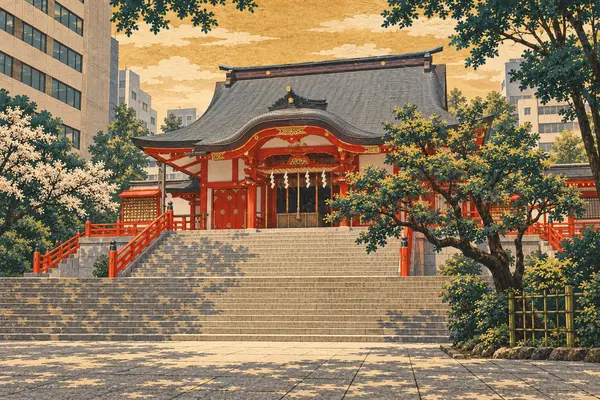
花園神社
The present reinforced-concrete sanctuary and office were completed in June 1965 after postwar rebuilding and deterioration.
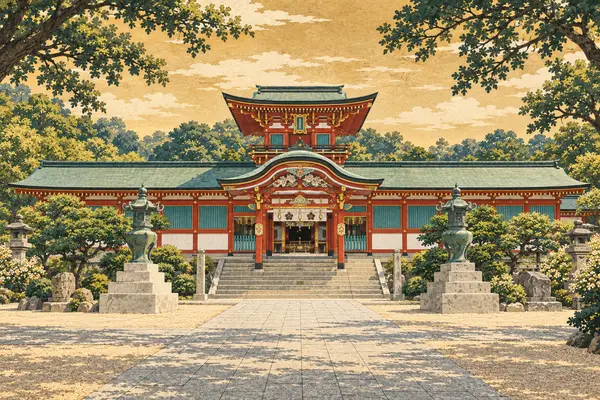
防府天満宮
Fire destroyed the shrine buildings in 1952. Reconstruction financed by donations was completed with the tower gate in 1963.
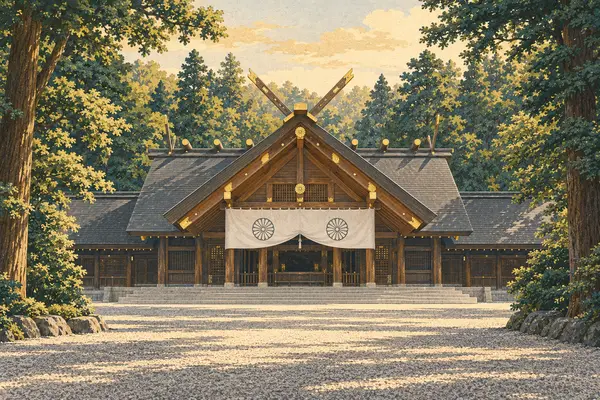
北海道神宮
In 1964, Emperor Meiji was added to the enshrined deities and Sapporo Jinja was renamed Hokkaidō Jingū.
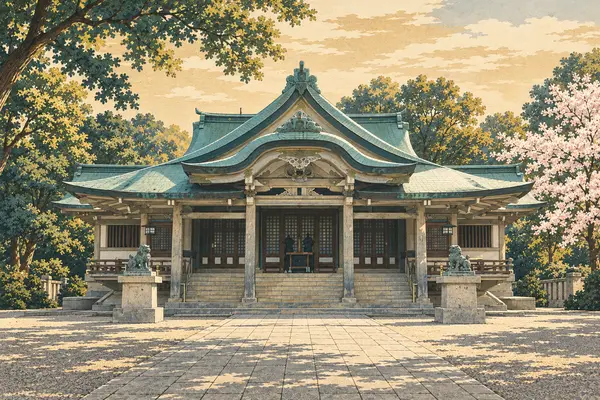
豊國神社
Hōkoku Shrine moved from Nakanoshima to its present Osaka Castle Park site in 1961.
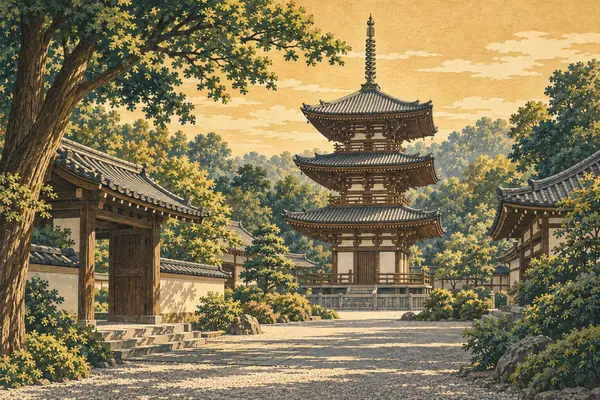
法輪寺
Lightning destroyed Hōrin-ji’s three-storey pagoda in 1944. It was reconstructed in 1975 using traditional building methods.
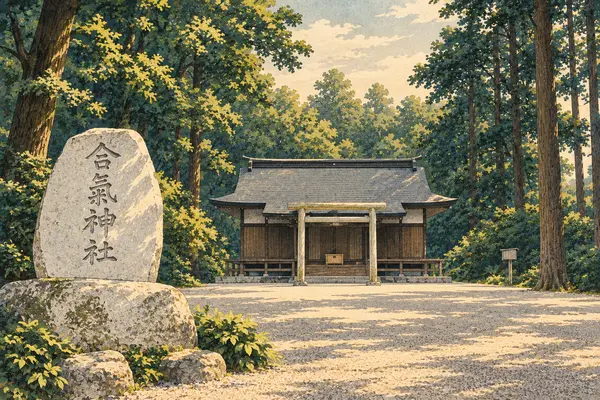
合氣神社
The city chronology dates completion of the Aiki Shrine main sanctuary to autumn 1944, followed by its attached training hall in summer 1945.
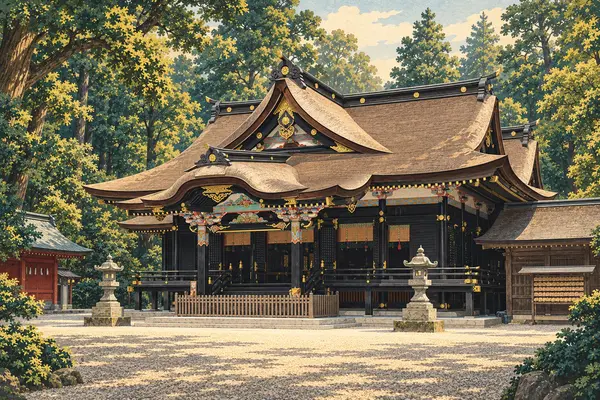
香取神宮
Katori Jingū was designated an imperial-festival shrine in 1942.
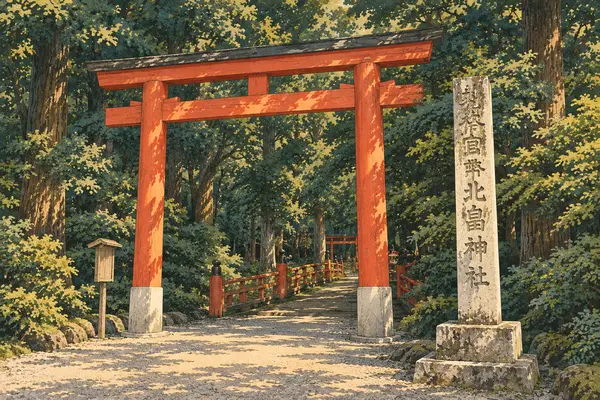
北畠神社
The Kitabatake residence garden at the shrine was designated a national scenic place in 1936.
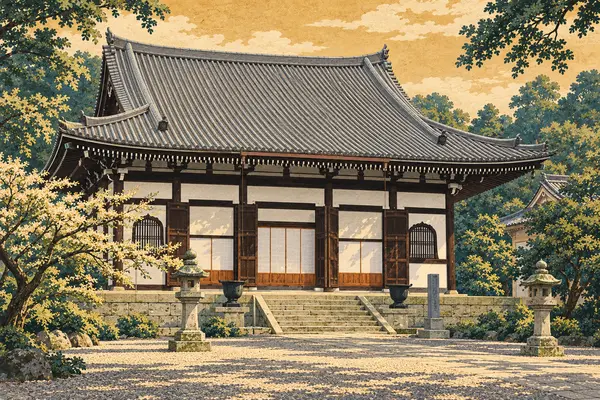
金戒光明寺
The main hall was rebuilt in 1944 after a fire.
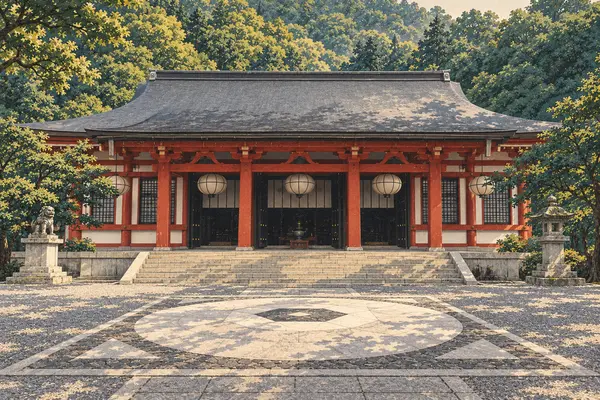
鞍馬寺
Kurama-dera became the head temple of Kurama-kōkyō, established in 1947.
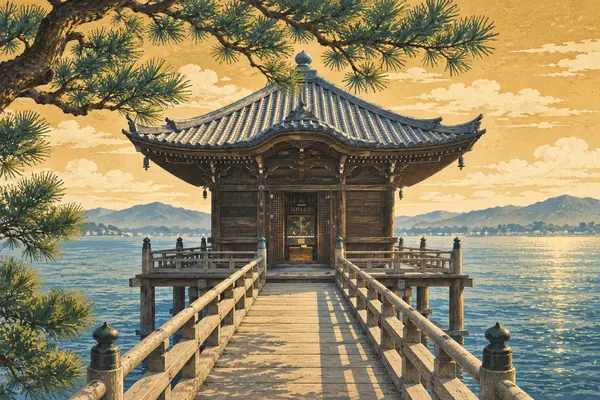
満月寺
The present Ukimido hall was rebuilt in 1937 and repaired again in 1982.
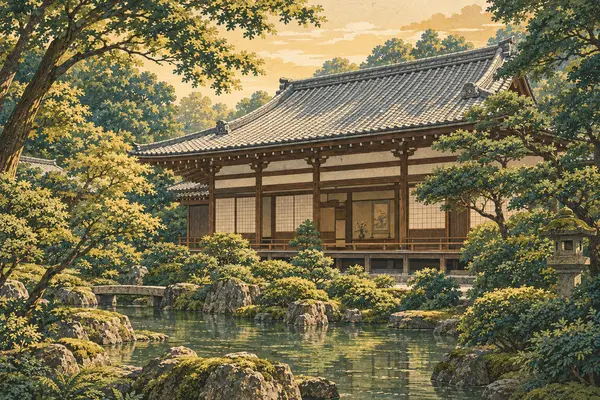
万寿寺
Kyoto City’s historical account dates the temple’s origin to the conversion of an imperial residence into Rokujō Midō in 1097. It moved into the Tōfuku-ji area during 1573–1586. Tofukuji’s Aizendo was moved from Manjuji in 1937.
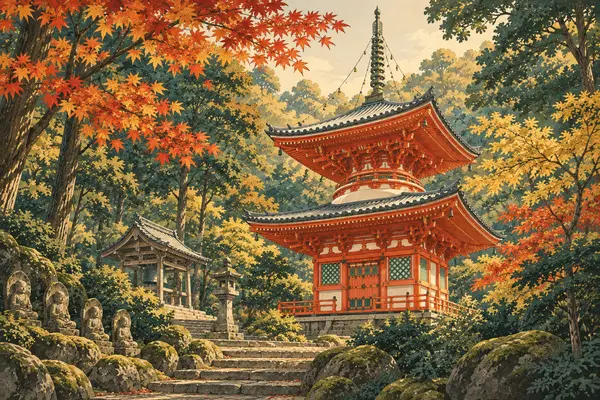
三瀧寺
The 1945 atomic bombing damaged the temple buildings; after temporary repairs, the main hall was rebuilt in 1968.
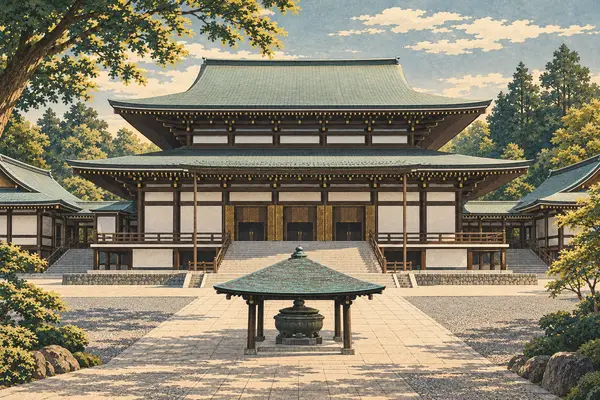
成田山新勝寺
The current temple bell was cast by Katori Masahiko to commemorate the new Great Main Hall in 1968.
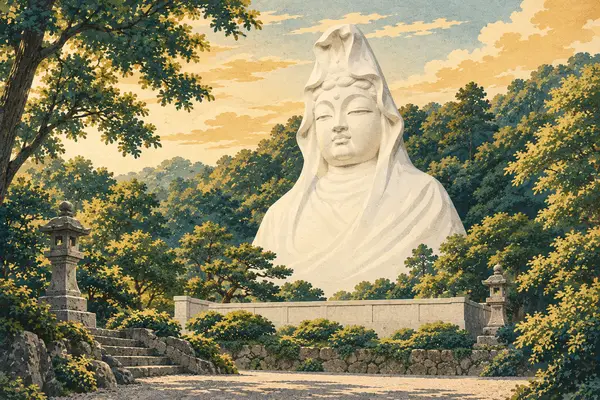
大船観音寺
Construction of the large Kannon image resumed in 1957 after a long suspension, and its completion ceremony took place in 1960.
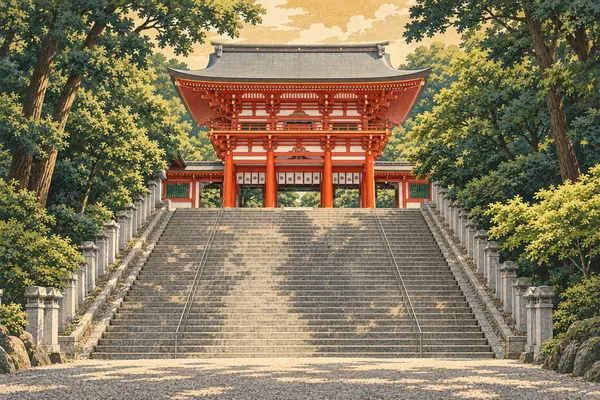
近江神宮
Omi Jingu was consecrated in 1940 following the campaign to build a shrine for Emperor Tenji.
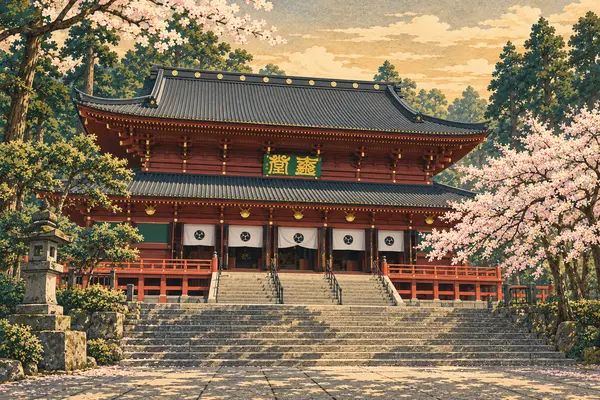
輪王寺
The temple’s treasure museum opened in 1983.
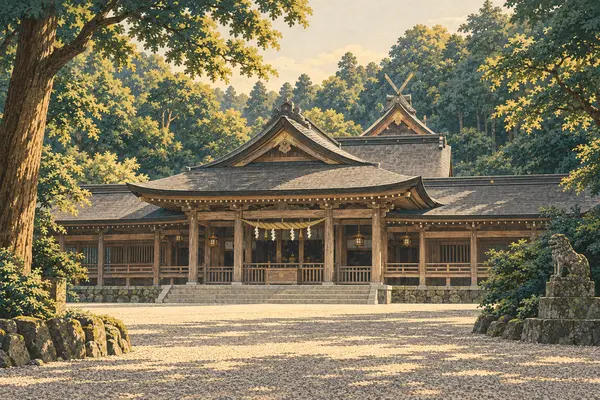
佐太神社
The shrine was ranked as a national small shrine in 1928 following a restoration movement supported by local worshippers.
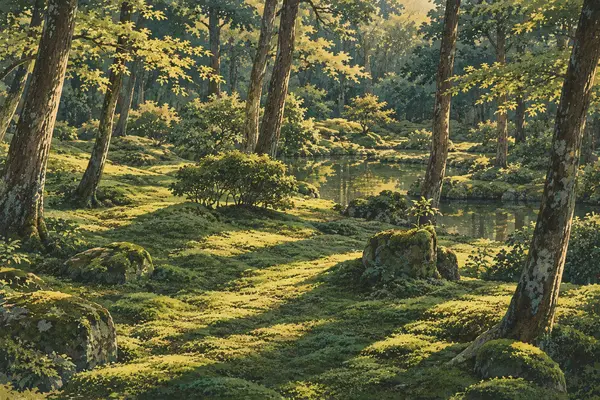
西芳寺
Saihō-ji introduced visits by advance application in 1977.
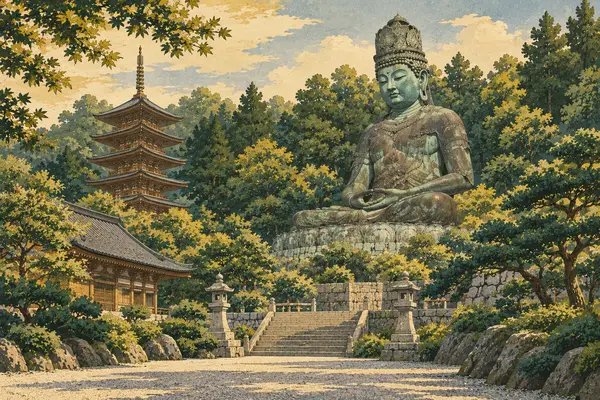
青龍寺
The Shōwa Daibutsu bronze seated Buddha was completed in 1984; the five-story wooden pagoda followed in 1996.
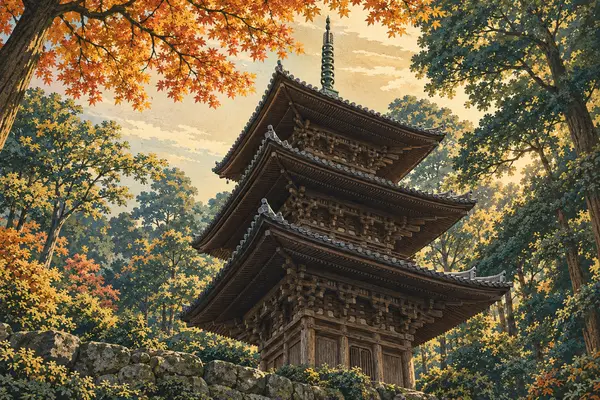
摠見寺
The current provisional main hall was built in 1932 on the former Tokugawa Ieyasu residence site.
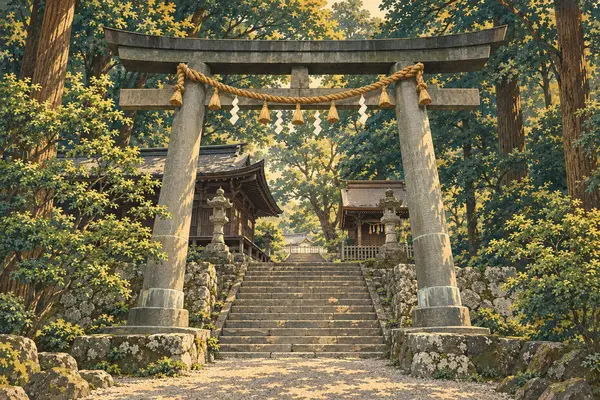
諏訪大社上社前宮
Maemiya’s present main hall was built in 1932 using materials from Ise.
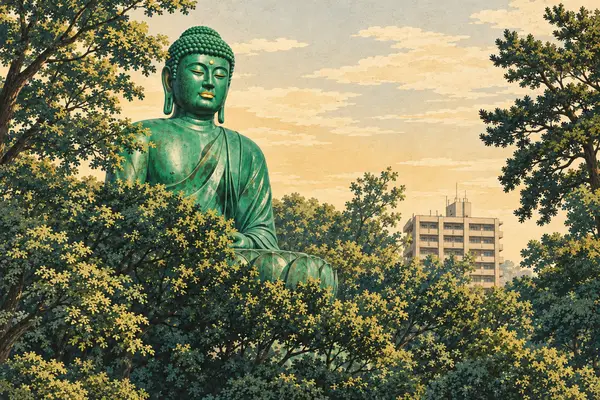
桃巌寺
The large bronze Nagoya Buddha was erected in 1987.
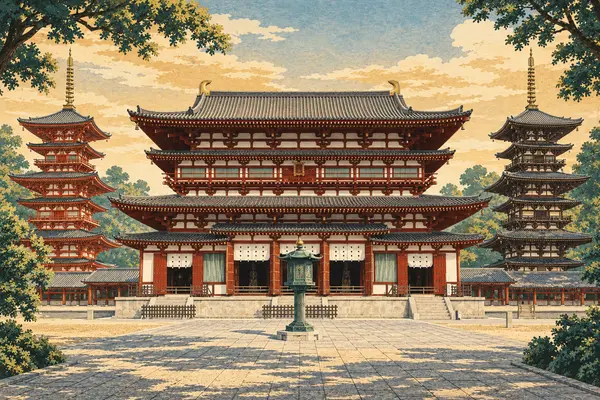
薬師寺
Yakushi-ji’s Kondō was reconstructed in 1976 as part of the modern restoration of its temple buildings. It houses the National Treasure Yakushi triad.
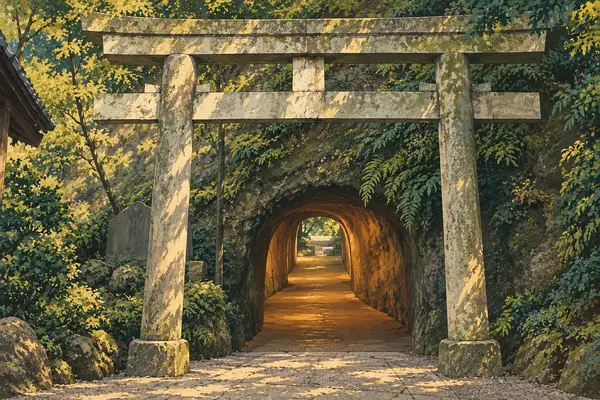
銭洗弁財天宇賀福神社
Previously a subsidiary shrine of Yasaka Shrine in Ōgigayatsu, it became independent and adopted its present name in 1970.
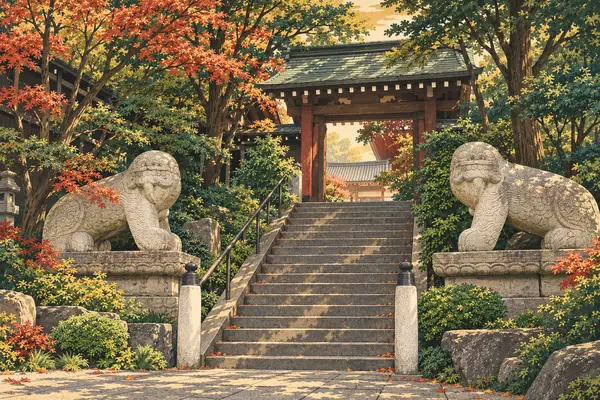
善養寺
The temple’s large kaya tree was designated a Tokyo natural monument in 1964.
No places match these filters. Try a different name, prefecture, or era.