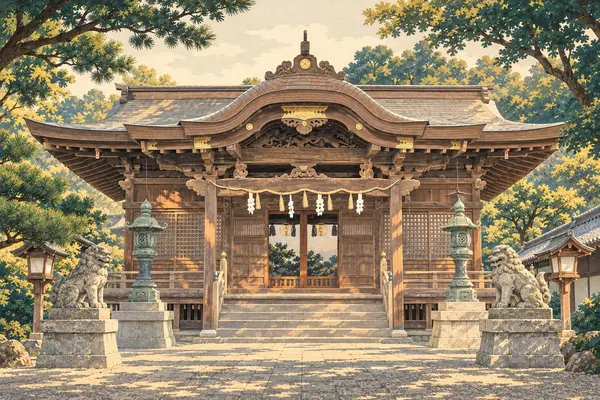
Shinto shrineKagawa琴弾八幡宮Kotohiki Hachimangū Kotohiki Hachimang ū’s origin tradition describes a deity arriving by boat while playing a koto in 703. The official tourism association explains its former combined Buddhist and Shinto organization and subsequent connections with the Minamoto family.
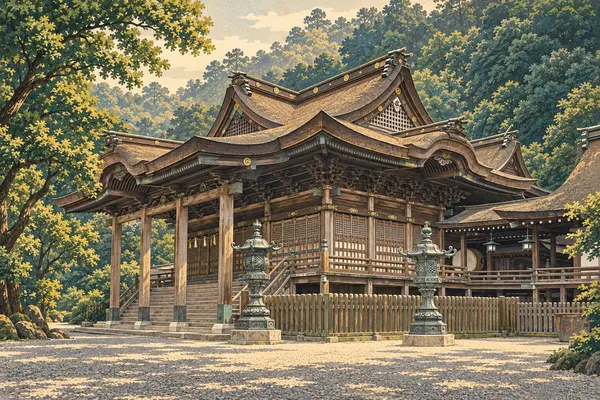
Shinto shrineKagawa金刀比羅宮Kotohira-gū Kotohira-g ū’s official history distinguishes its ancient religious origin accounts from later organization as Konpira Daigongen. It records incorporation of Emperor Sutoku’s worship in 1165 and subsequent development under Buddhist and Shinto traditions.
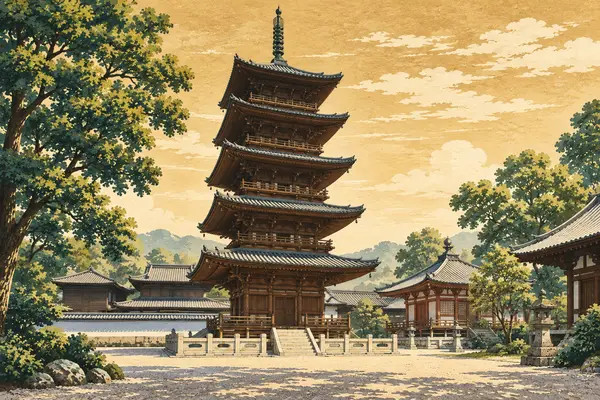
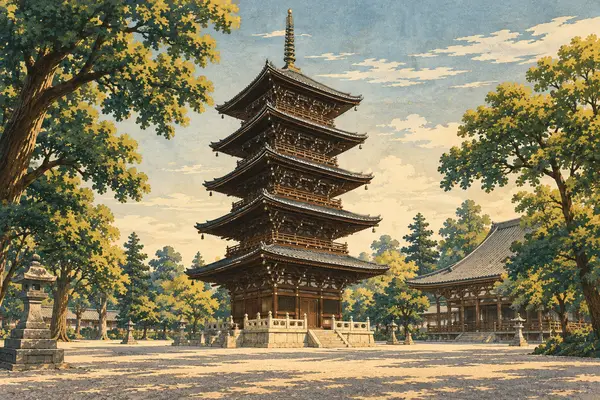
Buddhist templeKagawa本山寺Motoyama-ji Temple Motoyama-ji's origin account attributes its establishment to Kūkai in 807. The association describes its dedication to Batō Kannon and records that its five-story pagoda was rebuilt in 1910 after deterioration.
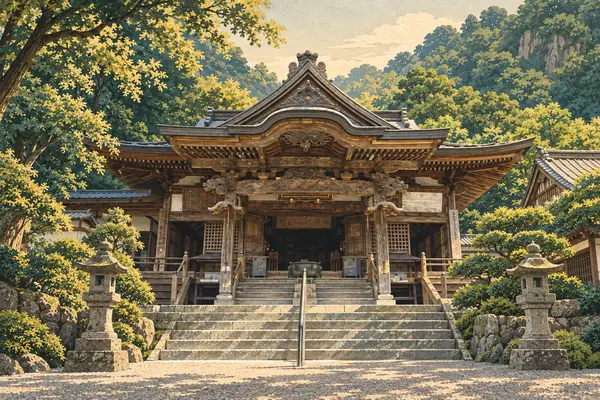
Buddhist templeKagawa大窪寺Ōkubo-ji Temple Ōkubo-ji's origin account connects Gyōki and Kūkai with its sacred spring and Yakushi worship. The association describes its role as the concluding temple of the pilgrimage and later recovery after warfare and fire.
Buddhist templeKagawa国分寺Sanuki Kokubun-ji Temple Sanuki Kokubun-ji belongs to the provincial-temple tradition associated with Emperor Shōmu and Gyōki. The association describes preserved ancient foundations and the medieval main hall, distinguishing them from the original eighth-century structures.
Buddhist templeKagawa八栗寺Yakuri-ji Temple Yakuriji's founding and name traditions connect Kūkai with five swords and eight chestnuts that sprouted. The association records later destruction and Edo-period rebuilding; the miraculous elements remain explicitly attributed religious narratives.
Buddhist templeKagawa屋島寺Yashima-ji Temple Yashima-ji's origin account concerns Ganjin and a temple on Yashima's northern ridge. It links a later relocation to Kūkai and describes the present medieval hall and principal image separately from that early tradition.
Buddhist templeKagawa善通寺Zentsū-ji Temple Zentsū-ji's origin account links Kūkai, his father's donated land and a temple modeled on Chang'an's Qinglong Temple. Zentsū-ji and Tanjō-in operated separately until their Meiji-period union; it is now a Shingon head temple.