
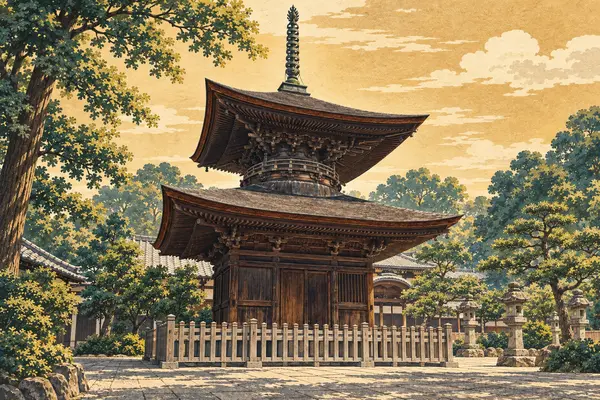
荒子観音
Arako Kannon Temple
Temple tradition places its foundation in the Nara period.
Discover the places in this prefecture, with original illustrations and links to visitor sources.
13 places
7 Temples · 6 ShrinesBrowse places by founding, rebuilding, and other events in each historical era.
荒子観音
Temple tradition places its foundation in the Nara period.
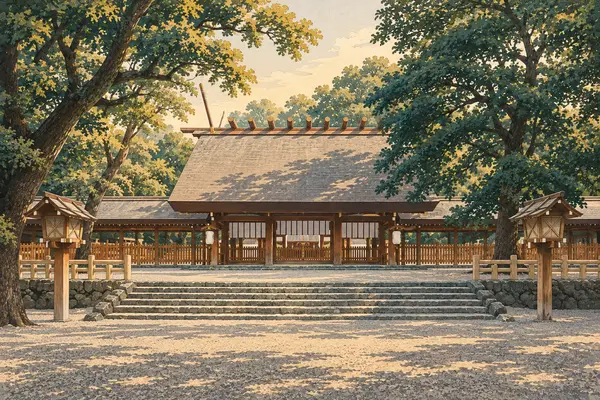
熱田神宮
The shrine was rebuilt in 1955 after damage in the 1945 air raids.
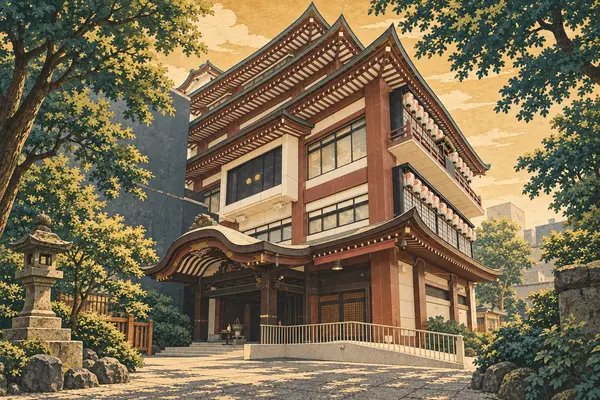
萬松寺
Oda Nobuhide established Banshoji as the Oda family’s memorial temple.
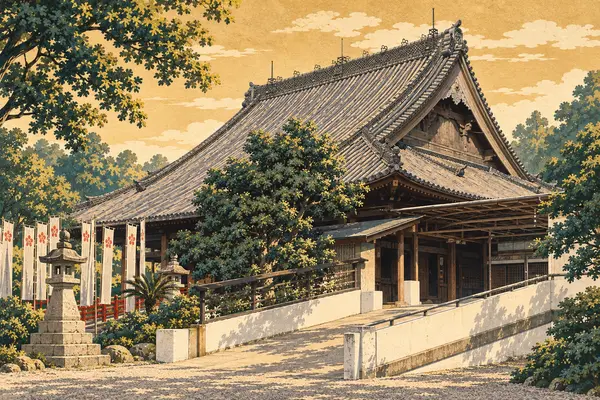
笠覆寺
The temple’s origin story says a monk carved Kannon from driftwood and enshrined it in a small hall in 736.
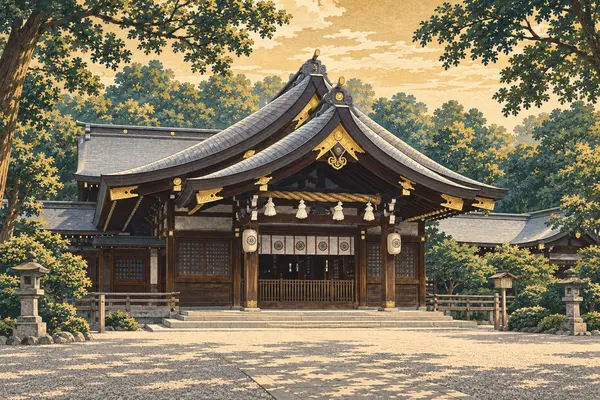
真清田神社
Masumida was recognized as Owari Province’s leading shrine during the Heian period.
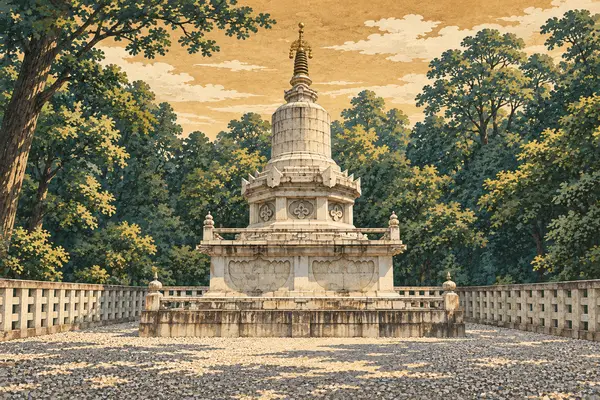
覚王山日泰寺
Nittaiji was established in 1904 as a joint Buddhist temple following the Thai king’s gift of Buddha relics to Japan.
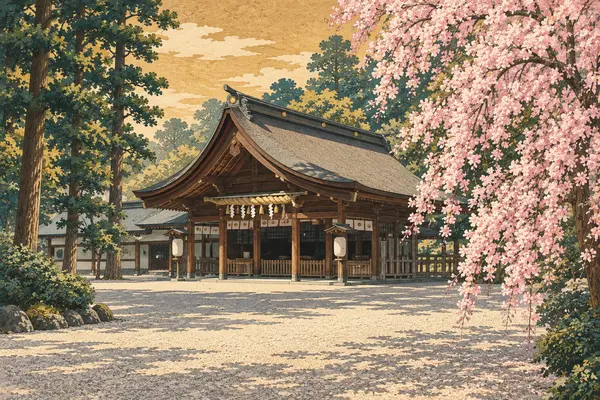
大縣神社
Tokugawa Mitsutomo rebuilt the current shrine buildings in 1661.
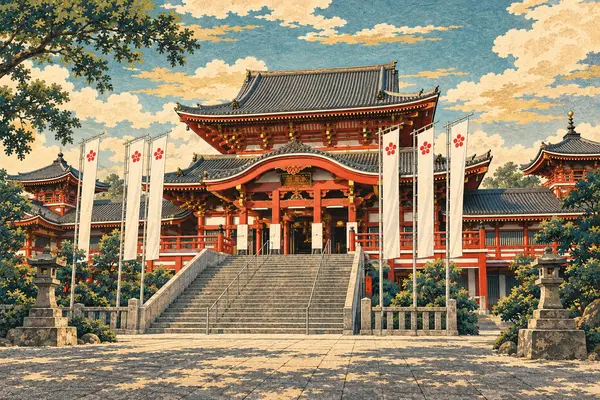
大須観音
Tokugawa Ieyasu moved Osu Kannon from Mino to its present location in 1612.
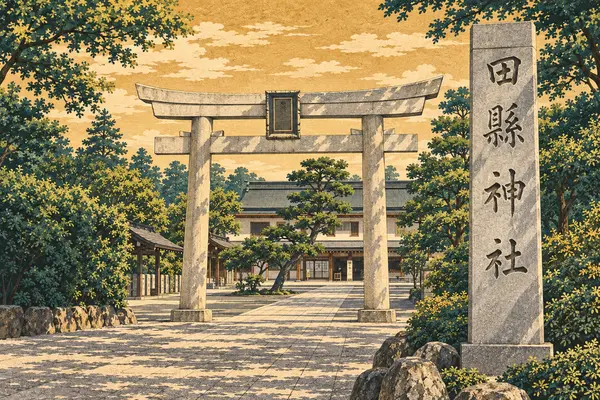
田縣神社
Tagata Shrine appears in the Engishiki compiled in 927; the shrine states that its actual foundation date is uncertain.
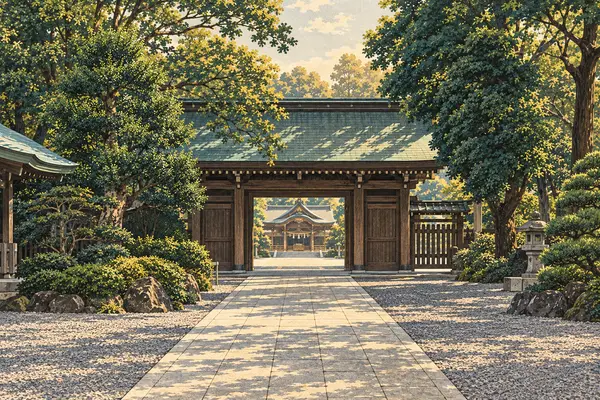
砥鹿神社
Shrine tradition places the creation of the lower Satomiya in the Taiho era,701–704, as a counterpart to the summit shrine.
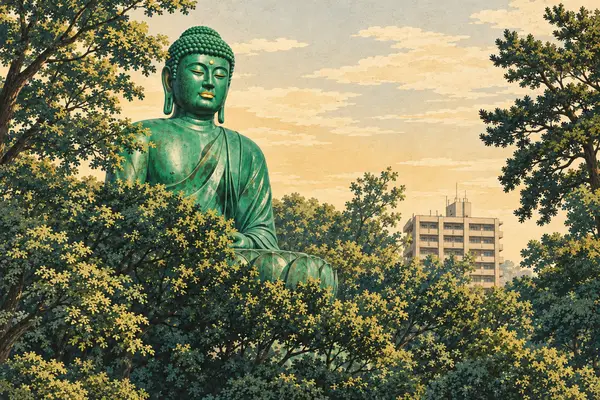
桃巌寺
The large bronze Nagoya Buddha was erected in 1987.
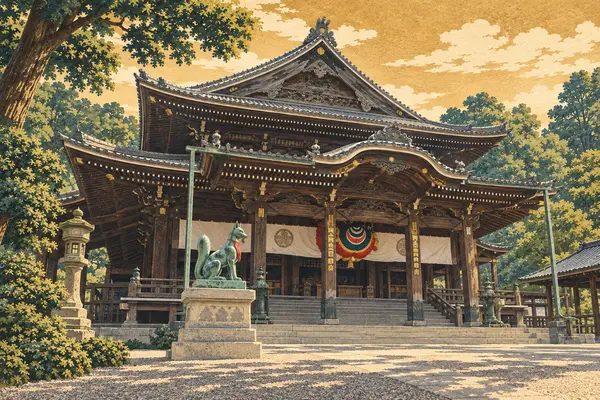
豊川稲荷
Tokai Gieki founded Myogonji, commonly called Toyokawa Inari, as a Soto temple in 1441.
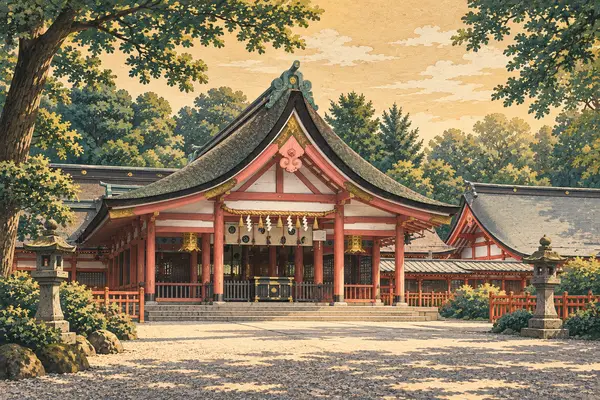
津島神社
Toyotomi Hideyoshi donated the shrine’s two-storey gate in 1591.
No places match these filters. Try a different name, prefecture, or era.